In Richard Linklater’s reputedly anti-nostalgic, but actually still quite nostalgic 1993 film Dazed and Confused, Matthew McConaughey’s Fonz-like character Wooderson articulates his Fonzhood in a way that – as far as I remember – the actual Fonz never does*: “That’s what I love about these high school girls, man. I get older, they stay the same age.” That quote popped into my head, in a sardonic kind of way, when I recently re-read the book that was the subject of this previous article, Richard Laymon’s Tread Softly. When reading books you first loved at an impressionable age, time makes Woodersons of us all; it’s the slightly eerie feeling of meeting old friends, only you have aged and they have stayed the same; except of course that in staying the same, they have changed too, because your perspective has changed. What once seemed profound may seem trite, what “you” once related to, you may not; re-encountering your youth – or even more so, your childhood – through books is as complex a feeling as looking at old photographs of yourself can be.
* to be fair to the Fonz, it would be hard for him to have this kind of perspective on the creepier aspects of his Fonzhood since, by the time he was in his 40s, the Happy Days “high school students” he lurked around were themselves in their 30s
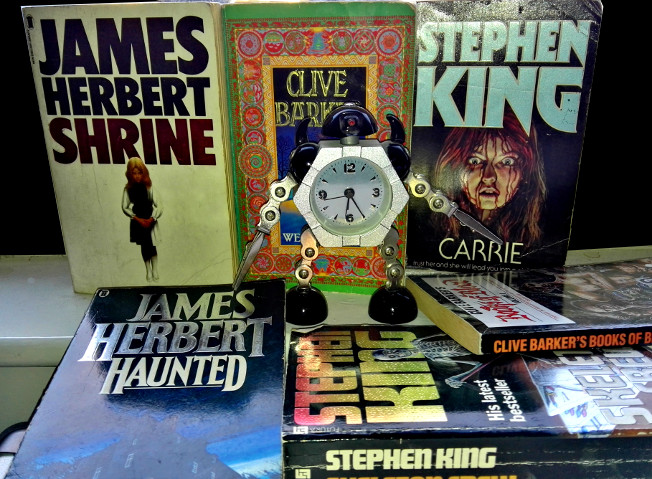
What Wooderson specifically draws attention to, and what we are forced to do, is to relate to the things we once liked from the perspective of an older person. And this is where the “genre fiction” comes in. As a teenager, especially from the ages of I think 13 to 17, my preferred reading was, in order of importance, horror, heroic fantasy and science fiction. Recently, in addition to Tread Softly, I have re-read a few books that were among my favourites in my mid-teens (The Rats, Lair, Shrine, The Dark and The Fog by James Herbert, It and Carrie by Stephen King and Weaveworld by Clive Barker) and, for the first time, what struck me about all of them (ego alert) was that I am now older than all of the main protagonists, including the ‘grownups’ in It and the parents in Tread Softly. Which of course is partly because I am now older than the authors of those books were when they wrote them; a strange thought – it’s possibly just me, but I don’t think one ever feels older than an author whose books you read when young, even when their youth is obvious. Not that the age of an author necessarily correlates to the age of their characters, but there seems to be something about the horror genre in particular that makes writers simplify and sketch the main – non-villainous – characters, rather than draw them in vivid detail. Perhaps it’s because some degree of identification with the main character makes the horror more effective, and a certain amount of vague/generic-ness is necessary to make as many readers as possible identify with those characters. I think this is pretty much explicitly what James Herbert did with his ‘everyman’ heroes.
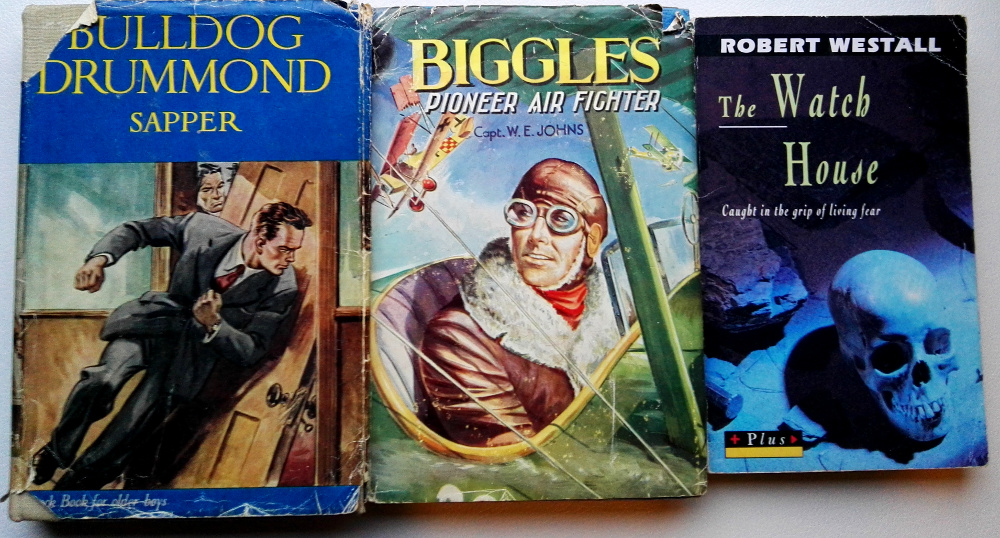
For a variety of reasons, it’s a strange thing to try to engage with your teenage taste in books, far more difficult than it is with music, or with the books one loved as a child. For a start, and with no disrespect intended to the authors, what has to be borne in mind with some of these books is that they weren’t necessarily (or definitely weren’t) aimed at the 14-15 year old who was reading them. When reading childrens’ books, adult me can be – CS Lewis’ Narnia books are perhaps the classic example – uncomfortably aware of the feelings and attitudes – the ‘adultness’ in fact – of the author behind the book. Sometimes – as with Jan Mark’s Thunder & Lightnings (there’s an insightful article about this excellent book here), or the best of Robert Westall’s novels – it gives me a new respect for a writer who until now I was mainly nostalgic about. Other times less so; for all the informative qualities, animal welfare concerns and anthropological information in Willard Price’s Adventure series (which I loved), the core idea of the two wholesome young American boys travelling the world, encountering its cultures with genuine (if occasionally paternalistic) respect and then catching its animals & shipping them off to zoos and safari parks, feels pretty uncomfortable. Far more so in fact than Biggles or Bulldog Drummond, where even child-me was aware of the dated imperialist attitudes and (in Bulldog Drummond especially) almost (or I’m tempted to think actually) parodic levels of jingoistic racism. But Willard Price wasn’t dealing in knowingly crass, simplistic thrills as “Sapper” was.
He was a genuinely philanthropic, genuinely respectful, extremely knowledgeable naturalist and social worker and I did in fact learn a lot from his books. But one of the things I learned – and I don’t think it was a bad thing to learn – was that the enlightened attitudes of yesterday, although certainly preferable to the unenlightened ones – are not necessarily the enlightened attitudes of today.
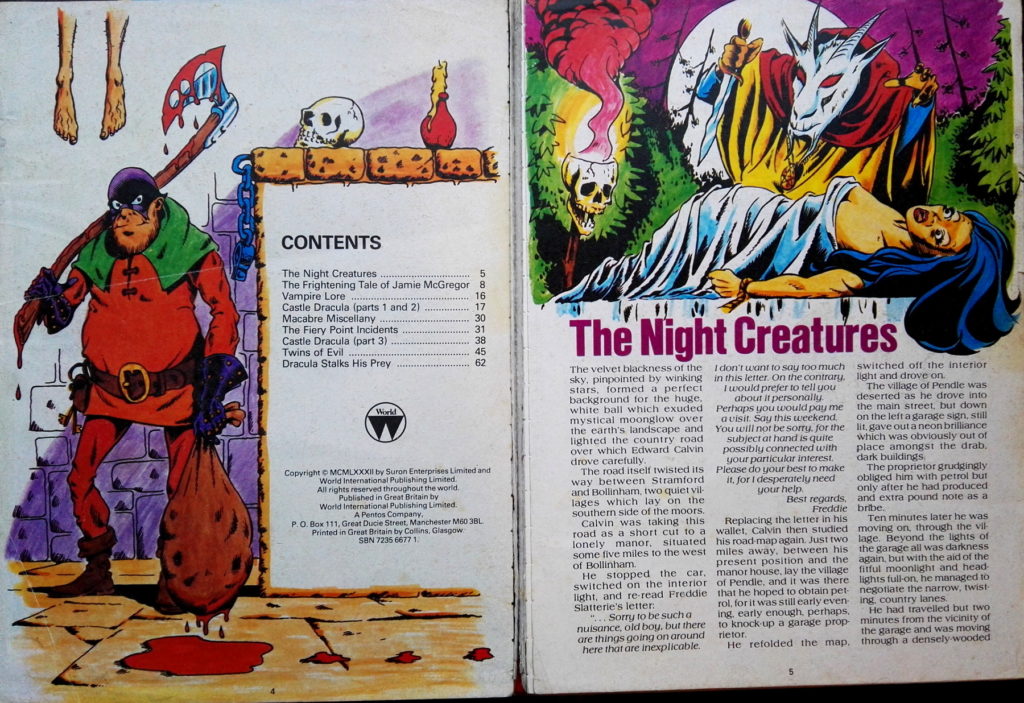
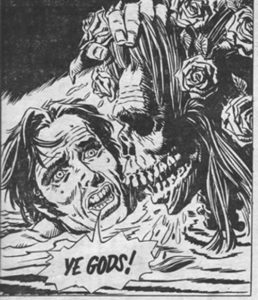
My interest in horror was probably first awakened when I was still very much a reader of Biggles & co. I loved the Dracula’s Spinechillers Annual I had got for Christmas when I was (I think) 8 or thereabouts. Around that age I also loved the (vastly inferior 80s) Eagle comic horror spin-off Scream! (which only seemed in my world to exist as ‘specials’ and never as a regular comic) Nevertheless, various things from Scream!, most notably a somewhat folk horror-ish story called The Drowning Pond with its illustrations of a skeleton with flowers in its long hair is still very vivid in my mind. And here it is!
Non-comics-wise, I remember borrowing (Doctor Who author) Terrance Dicks’ Cry Vampire! And Wereboy! from 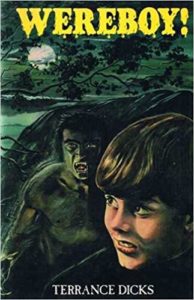
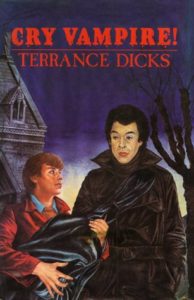 the Mobile Library (itself a very 80s detail although I’m sure they still exist) and loving them, and, later in Primary School Robert Westall’s The Scarecrows, The Watch House, The Wind Eye and The Devil on the Road made a big impression on me (and still stand up well when read as an adult). As a devotee of the phenomenally successful Fighting Fantasy gamebook series, I recall being particularly impressed by the horror-themed House Of Hell, which was very different from the swords & sorcery (or sci fi) leanings of the rest of the series.
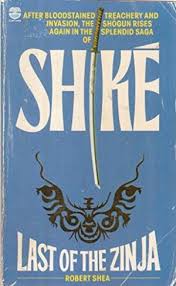
Interestingly (I use that word advisedly, with the caveat; ‘to me’) my interest in gore was parallel to, but not at all dependent on horror. I remember in my English class, at the age of (I think) 12, having to write a story based on Robert O’Brien’s Mrs Frisby And The Rats Of NIMH, and writing, under the influence of Robert Shea’s supremely dodgy Shike: Last of the Zinja books, about ninja rats attacking their enemies and slicing their intestines into ‘spaghetti’. So I was quite ready for James Herbert already.
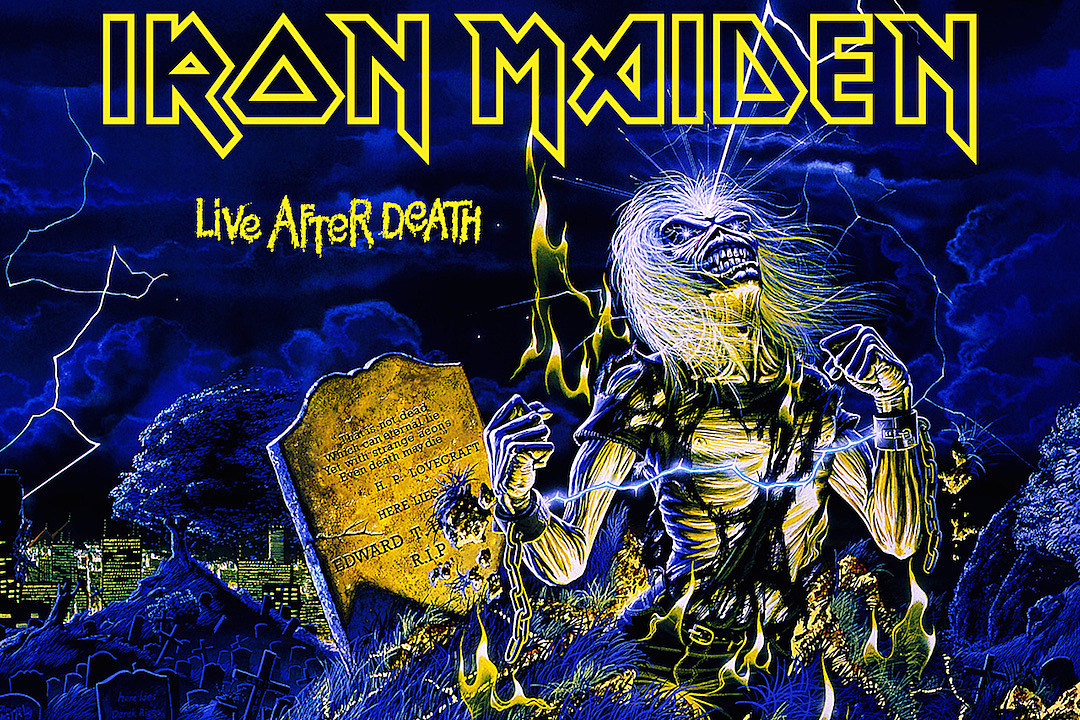
Herbert wasn’t the first ‘adult’ horror author I read though. I think that was HP Lovecraft, who I came to through two sources he would probably have found incomprehensible. Firstly, heavy metal (he is quoted on Eddie’s gravestone on arguably Derek Riggs’ finest – and certainly my favourite as a child – Iron Maiden album cover, Live After Death (1985)) and I came across him again a little later, through the roleplaying game Call of Cthulhu. Not that I played it (though I would have liked to) but as a subscriber to Games Workshop’s White Dwarf magazine (essentially, I now realise, for the pictures) I became aware of it and my interest in Lovecraft grew.
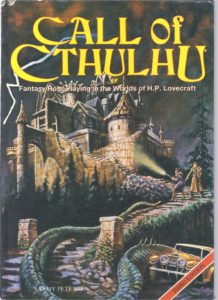
Before reading any actual Lovecraft, I’m pretty sure that I borrowed the game itself in its hardback book edition from the local library (this would either be the Rats of NIMH year or the year after). Shortly thereafter I then borrowed (from the same library – Cupar) a hardback edition of Lovecraft’s The Shadow Out Of Time and other stories and since then, Lovecraft has been one of the few writers I’ve never ‘grown out’ of, or lost interest in. As such, he fades from this article now except for two more observations; firstly, Lovecraft’s protagonists – sensitive, articulate, terrified – are clearly Lovecraft himself. The author died when only a few years older than I am now, but both Lovecraft and his characters will I think always feel older to me than I do. People – like Michael Moorcock (another teenage favourite) – who don’t like Lovecraft’s writing, usually don’t like the florid style and neurotic tone of his stories – the elements which to me are his real strengths as a writer and make his writing – although widely imitated – genuinely inimitable; no-one else captures that tone. Secondly, that first Lovecraft book I read had no illustration on the cover (on the whole I think Lovecraft has been badly served by artists and illustrators, though I love many of their efforts – and anyway it’s his own fault the illustrators so often fail). but two pictures were instrumental in making me want to read his work; there was the art for a Call of Cthulhu module called Green And Pleasant Land that was advertised prominently in White Dwarf, and a Les Edwards painting (possibly unrelated to Lovecraft in origin) used in the Call of Cthulhu book. (Edwards’ Croglin Vampire*, also used in the book was a superb picture too, though less Lovecraftian*)
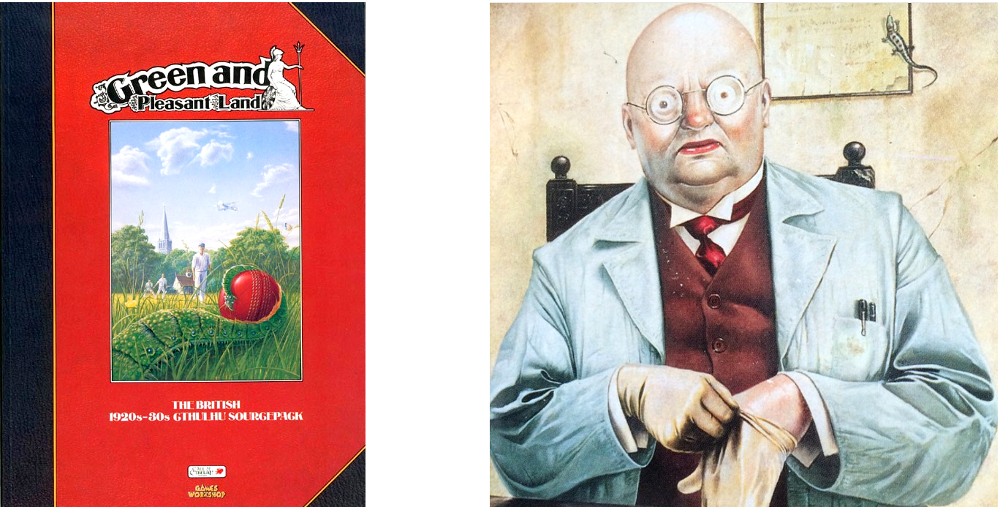
*Still very interesting however; read about the ‘real’ Croglin vampire here
So anyway; although I have very shadowy memories of reading the opening of Cujo (I think my mum had it) and seeing the film versions of Cujo and Christine, the first horror novels I remember reading in their entirety are James Herbert’s The Rats and Stephen King’s Pet Sematary and It. I remember an interview in FEAR magazine issue two, James Herbert said that the characters in his novels were ‘everyman’ – and in his early novels in particular, it’s a very specific kind of everyman; In The Rats (1974), we meet Harris, “teaching art to little bastards whose best work is on lavatory walls. Jesus Christ!” and “At thirty two he was back [in the East End], teaching little facsimiles of his former self…” while in The Fog (1975) we find that “At thirty-two, [environmental investigator] Holman was still young enough to be angered by the seeming lack of resolution shown by his superiors when he himself had taken great risks to ferret out the proof they asked him to provide.”
Variations on these characters – tough, working or lower-middle class, cynical about the motives of those in charge; thirty two – are essentially versions of the young(ish) James Herbert himself, which is understandable, and they were to appear in the majority of his books until the mid-to-late 80s, when he seems to have become interested in characters with a little more individuality. Those ‘everymen’ – Harris, Holman, Pender, Culver, Bishop – are little more than ciphers, characters made of a few (mostly) well-selected details but overall as relatively simple as the dangers they face – that is, rats, fog, more rats, a fog-like darkness etc.
When the stories get more complex, as with The Spear, The Jonah and the aforementioned Shrine, it’s noticeable that the characters do too. In Shrine, the hero, Gerry Fenn is actually younger than usual (29) but even more jaded; a wannabe tabloid journalist(!) who we first meet “tired, angry and a little drunk” and ranting about “rent-a-left” loonies. As a teenager I took James Herbert’s statements about politics at face value (this isn’t quite a quote but I’ll keep the inverted commas as what he said in that issue of FEAR was definitely something like “I’m not anti-right, I’m not anti-left, but those in power always look after themselves”). Now – especially after reading his final novel Ash (2012) perhaps the most unintentionally funny book I’ve ever read – Herbert’s apparently apolitical stance seems – like his everyman character and his ‘have your cake and eat it’ attitude to sex (describe it in titillating detail but punish the characters who indulge in it illicitly) – pretty reactionary, although his point about the powers that be is of course a valid one. But still; maybe the strangest thing about reading James Herbert as an adult is not the paranoia about what governments get up to, or the preoccupation with violent death; it’s that supposed everyman. I guess as a young teenager I saw him/them as simply ‘an adult’, but as an adult – and an older one than most of those characters are – I see him/them as… a bit of an asshole really, which mars the enjoyment of the books a little for me. But maybe just for me; possibly ‘everyman’ really is a centre-right-to-borderline-fascist asshole. Complicating things further, sometimes – as in Shrine and especially some of Herbert’s later books like Creed – it seems like we are definitely supposed to view the character as unsympathetic/unpleasant, which is odd in that it diminishes the effect of the horrors they experience to some extent; the effect is a little like those ‘ghost hunters’ type of TV shows, where noisy, aggressive people blunder around in the dark taunting spirits for not showing themselves and then scream like hysterical children at the least noise or drop in temperature; good.
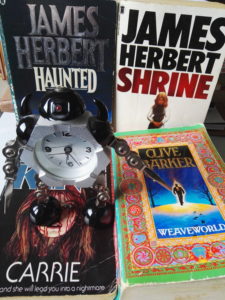
By contrast, Stephen King is interesting, in that the book that made his name – Carrie – has no hero at all to speak of, just Carrie herself, and the impersonal voices of the various documents that tell her story. As a teenager I wasn’t very keen on the book and found it, despite its brevity, far harder to read than It. I don’t think I really understood its popularity either. Reading it now, I find it far more impressive and effective, maybe because as a teenager, King’s insight into teenagers and their lives seemed unremarkable (ie I literally didn’t give it any thought) whereas now I think it’s one of the key features of almost all of his work that I like the most. In Carrie, as in It, the vividness of the horror is increased by the framing of the story. In It the story is being told “now” (although now is obviously the 80s) and segues into the 1950s sections in a self-consciously cinematic (or televisual) ‘flashback’ kind of way, whereas in Carrie, we know right from the beginning that Carrie’s story has already ended and become history. Although that sounds like it should have a distancing effect, what it actually does is give a feeling of reality. We don’t so much empathise with the characters as look on at their plight – but King is a good enough storyteller to engage the reader’s empathy without having to put them directly into the characters’ shoes.
Stephen King and James Herbert both brought a sense of modern-ness to the horror genre in the 1970s (not that they were the only ones, but for me they were the most important for the 80s horror fiction explosion, Herbert possibly less so in the USA), but they did so through almost opposite means. Both abandoned the gothic/melodramatic/romantic element of horror that had been at the genre’s heart, but after that, they part ways. Herbert is modern via the immediacy of his bluntly explicit descriptiveness; a very 1970s matter-of-factness; cold, harsh and almost industrial (the Throbbing Gristle of horror literature maybe?); horror with no politeness. Carrie, has a cold, clinical, matter-of-fact quality, but it’s entirely unlike Herbert’s – it isn’t about the viscera. With The Rats, James Herbert was telling a nasty story, as vividly and convincingly as he could, to make it feel real. With Carrie, Stephen King heightens the reality by saying this isn’t a ‘story’ at all; this is what happened. As a teenager I mostly preferred James Herbert, but as an adult I find that Stephen King is far easier to enjoy. From the adult perspective, King’s teenagers are still teenagers; in fact even more so than they seemed at the time; whereas Herbert’s adults are ciphers, or in his more developed characters, people who on the whole I just don’t like.
Although I mentioned James Herbert, Stephen King and Clive Barker as a kind of trinity of 80s horror in my Richard Laymon article, Barker is and always was the obvious odd man out of the trio. Firstly because – with a few exceptions – the standard idea of ordinary people encountering horrible things isn’t his primary kind of story. In fact the idea of ‘ordinary people’ isn’t one that I associate with Barker at all; not because (as far as I can tell) he is dismissive of everyday kind of characters, it feels more like he just doesn’t really believe in them. In Weaveworld (1987), the hero is to all intents & purposes ‘ordinary’ – “His name is Calhoun Mooney, but he’s universally known as Cal. He is twenty-six, and has worked for five years at an insurance firm in the city centre.” We first meet Cal trying to catch an escaped racing pigeon. A working class Liverpudlian in the 80s seems the very epitome of ordinariness, but as his name indicates, there’s always something a little otherworldly about Cal (even compared to for instance, the villainous, magic-using Shadwell, who fits in in Cal’s prosaic world far more easily than Cal himself seems to). I can’t remember if I felt this way about Cal, or the book itself when I first read it (another library acquisition I think, I certainly read it at the time of its first paperback edition if not before). He seems a younger, stranger character than I remembered; but then the whole book feels stranger. Not so much the overtly fantastical parts, but the Liverpool-set opening chapters.
Without thinking much about it, I had always assumed that Weaveworld was set “nowadays”, i.e. in the late-80s, when it was published, but there are odd mentions, such as the police arriving in a ‘Black Maria’ – I don’t know when the UK police stopped using black vans, but I know that even in my earliest recollections (late 70s/early 80s) they were white – that make the Liverpool Barker describes feel both specific and vaguely unreal. Is this intentional? Clive Barker grew up in working class Liverpool himself, in the 60s and 70s, but was not much older than Cal Mooney when writing Weaveworld (I wouldn’t be at all surprised if he started writing it when he was 29 in fact). And yet; I remember seeing him on TV around the time the book was published and being surprised at his relative lack of a Liverpool accent; perhaps because of his background in theatre and experimental filmmaking he seemed at ease on television, but always has a hint of the otherworldly quality I associate with his work. Weaveworld has been ‘in development’ in Hollywood for years, but I’d say that unless they can somehow go back in time and get the young Clive Barker, the production will never have the right Cal Mooney. In fact this 1988 interview with both Clive Barker and James Herbert could almost be with “Mooney” and “Harris” and probably tells you everything you need to know about the differences between the two authors’ work; If Harris, Holman et al are James Herbert and the gritty urban settings of London and its environs are their natural habitat, then Cal Mooney equally is Clive Barker, and ghost-Liverpool and the magical world of The Fugue is his. And I’m not sure either author had it in them – at that time at least – to write convincingly about the world of the other, even if they had wanted to.
So what of it all? I don’t know; are there conclusions here? Reading favourite teenage books is like visiting your school long after you left it – everything is familiar, but smaller than you remembered. Genre fiction is by its nature somewhat generic, and is largely plot, rather than character-driven. Lovecraft again is an exception, because somehow his stories manage to be neither plot, nor character driven, so much as they are perspective-driven; sometimes the horror, omnipresent in his best work, has very little narrative to fuel it, just a tone of voice. The heroines and heroes of most of the horror, fantasy and sci-fi I used to devour as a teenager were mostly there as stand-ins for the reader, or for the writer. Most horror authors whose careers last any length of time start to write novels about writers, just as successful musicians start writing songs about being on tour. Going all the way back to Mary Shelley and Bram Stoker, the villains in horror have always been more memorable than the heroes (actually, Frankenstein is more complex than just hero/villain, but I’ll stand by it), in the 80s with horror cinema this becomes even more noticeable…
At some point a real conclusion will come to me and I’ll add it here; until then, the thing I love about these stories? I get older, they stay the same age.
 rushin’s beautiful Once and Domenicano, Frank Zappa & the Mothers of Invention’s Burnt Weenie Sandwich and Uncle Meat, The Beau Brummels (who are never quite as good as I want them to be – ie not as good as The Lovin’ Spoonful) but have some really good songs, Kenny Drew & Niels-Henning Ørsted Pedersen’s Duo, Bessie Smith, a really interesting album called Stations by
 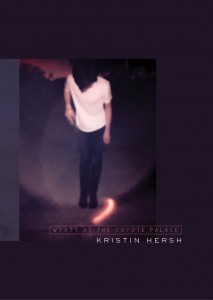 I haven’t started making an actual list yet, but it’s that time of year when some albums have firmly earned their place in the AOTY list and others are looking likely. It would be nice if Prophets of Rage released an album, but oh well. I’ve no idea how long the list will be, but I can say at this point that it will certainly include Bowie’s Blackstar, Iggy Pop/Tarwater/Alva Noto’s Leaves of Grass (not really an album but I’ll make an exception), Darkher’s Realms, Emma Ruth Rundle’s Marked For Death and Kristin Hersh’s amazing new book/double album Wyatt at the Coyote Palace.
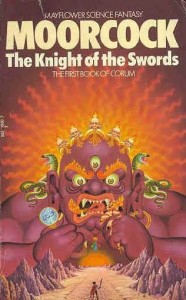 typically ‘heroic fantasy’/swords and sorcery in their stories and action:
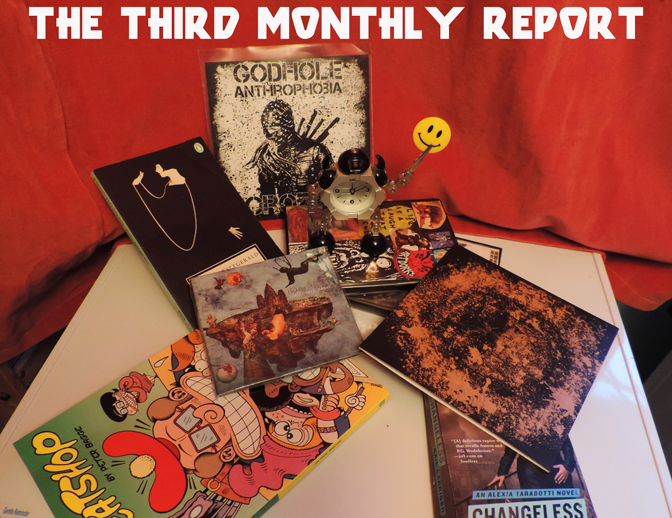
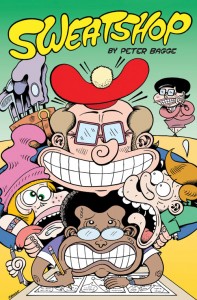 At first, Sweatshop feels more like one of Peter Bagge’s more lightweight, knockabout strips like Batboy or Studs Kirby, and compared to the brilliant Woman Rebel it is, but there’s more substance to the characters in Sweatshop than you’d think. This is perhaps because the situation (a group of ambitious young cartoonists working for a grouchy, reactionary, but famous old cartoonist to produce his well-known but trivial newspaper strip) is one close to the hearts of Bagge and his own team of artists. It’s funny and silly, but also well plotted and with some sharp observations about the world of cartooning as well as human relationships etc; a good book in fact.
 The selection I have was collected by
  I had already heard both of these great releases but when I saw that Mind Ripper were selling them on vinyl 7″s ridiculously inexpensively. Anthrophobia is a brilliant meeting of two very different musical personalities, with Godhole’s intensely emotive and strangely catchy powerviolence being distorted almost to the point of non-music by Crozier’s harsh noise; it’s bracing and not at all pretty, but it has a real impact and is worryingly addictive. The same is true of the Godhole EP, although it is relatively more disciplined insofar as it sounds like a band, rather than a catastrophic nightmare.
 For 99% of the time, a complete contrast with the above (though the second half of Drones is surprisingly noisy and atonal), I was especially impressed by the forthcoming Cosmic Array album because I didn’t expect to like it at all. “Alt country/Americana”, ‘immersive and cinematic’ or not, is not really my thing* but in fact this album brings together a beautifully peculiar space-age melancholy that has (to me) hints of the Flaming Lips, Spacemen 3, My Little Airport and even the BMX Bandits and a sound that is a hybrid of UK indie and alt country (Fire Up The Sky is, strangely, almost shoegaze-alt country; actually, Moose’s XYZ was a great shoegaze/Americana album, so maybe not so strange?). Anyway; the songs are catchy and nice, Paul Battenbough and Abby Sohn are really good, expressive vocalists and it really is a big, widescreen cinematic sound as advertised; so put aside anti-country prejudices (if like me you have them) and give it a listen.
 The third collaboration between Mike Patton and John Erika Kaada is, despite the ominous title, an extremely wide ranging and often light-toned (if moody, in the film-soundtrack sense) collection of dramatic and sometimes operatic (but not always melodramatic) pieces, ranging from the strangely Tom Waits-like Papillon to the Morricone-ish Black Albino. It’s a perfectly judged album, Mike Patton’s voice(s) interweaving with the orchestra to create individual pieces that are at the same time short and vast;too involving to be ‘background music’ it really does sound like an epic soundtrack in search of who knows what kind of film.
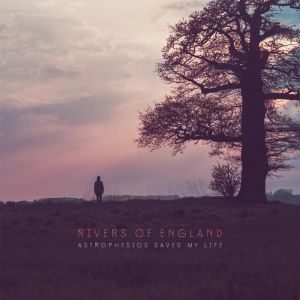 Astrophysics Saved My Life is the second album by folk-rock group Rivers of England and it’s a rich, accessible and pleasant album that wears its unorthodox aspects very lightly. The most audible reference point is less folk (let alone ‘folk rock’) and more the jazzy John Martyn of Solid Air, although Rivers of England’s sound is never quite as unearthly as that comparison suggests, not least because singer/songwriter Rob Spalding has a David Gray-like (though not David Gray-sounding) directness in his vocal performances that is very different from John Martyn’s allusive, intuitive delivery. It’s a strong set of songs that seems set for mainstream success; they would be an eminently suitable festival band, so hopefully they should be on some main (or at least big) stages this summer.
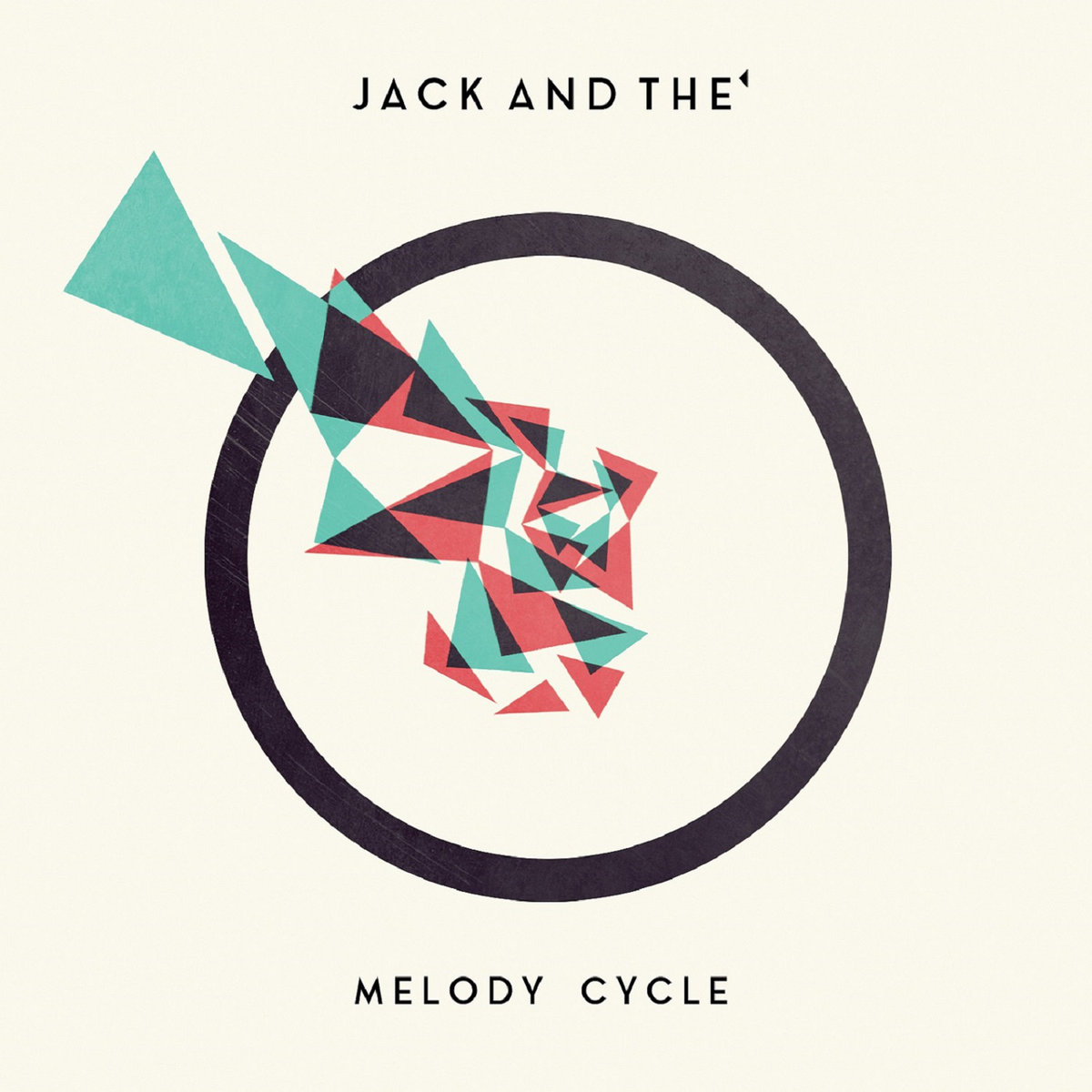 Less ‘normal’ and slightly more my cup of tea is Melody Cycle by Jack And The’, the musical project of Edinburgh-based French multi-instrumentalist Julien Lonchamp.
 In a heavier vein than the Folkwit records, my favourite metal musician
  Speaking of unashamed heavy metal, an unexpected treat to (belatedly) come my way was the latest albums by Scottish NWOBHM legends
 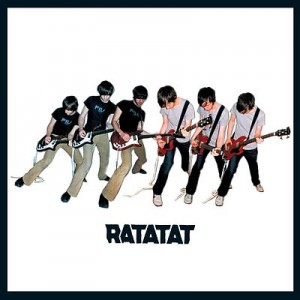 Away from current releases, birthday presents allowed me to overdose on the works of RATATAT, specifically their perfect debut album as well as LP3 and LP4. RATATAT are an interesting band to study chronologically, since their work manages to be both hard to label and surprisingly homogenous in itself. LP3 feels like the most experimental of the three (of all their albums in fact), but it’s a slightly deceptive perception, since LP4 was mostly recorded in the same sessions, so it’s mostly a matter of selection. It feels as though the duo are attempting to explore all of the possibilities within a fairly narrow range of sounds/styles and since their latest album Magnifique (2015) is perhaps their best to date, they hopefully still have plenty of exploring to do.
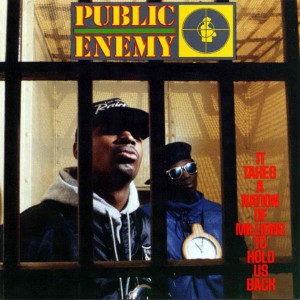 Going back in time, but never sounding more relevant than it does in 2016, Public Enemy‘s immortal It Takes A Nation Of Millions To Hold Us Back was being played probably too loud in my earphones for much of the month. Listening to Chuck D’s incredible delivery on songs like Louder Than A Bomb (to me one of the best rap performances I’ve heard) two things spring to mind; firstly that Chuck D has the perfect balance between power/authority/style and coherently getting his message across, and secondly that, from the perspective of Public Enemy in 1988, the USA in 2016 is probably both better and worse than they could have foreseen.
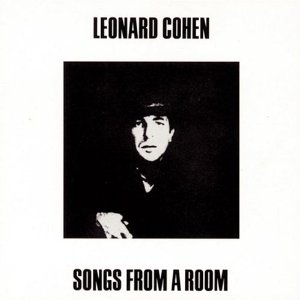 Older still, Leonard Cohen‘s Songs From A Room is an album I knew but didn’t own and it seems as good a place as any to start with his work. Strangely, I mainly know the songs from trying to learn to play the guitar with them (I can’t remember why, but the songbook for Songs From A Room and a Songs of George Formby were the only two chord books I had for years; sounds like a charity shop purchase). Maybe it’s because I spent large chunks of late adolescence listening to Joy Division, Cranes, The Smiths etc, but I don’t find Leonard Cohen at all depressing; and really, if as people often claim apologetically, ‘he isn’t really a singer, he’s a poet’, then what is Bob Dylan, or even Lou Reed? Cohen’s voice may not be flamboyant, but it’s inherently musical, and it delivers his emotionally complex lyrics with perfect clarity. The musical sparseness of the album too is a plus, stripped of late 60s ornament, it is timeless and beautiful.
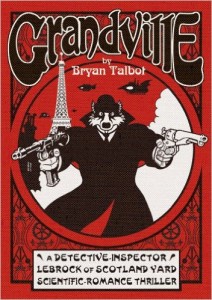 An extremely fun, quick, easy but not simple read was the first volume of Bryan Talbot‘s graphic novel series Grandville. Named in honour of the French caricaturist Grandville* the series consists of old fashioned ‘scientific romance thrillers’ that are part pointed steampunk satire, part Rupert the Bear; a very satisfying mixture as it turns out, and beautifully designed and drawn too. As it happens, Bryan Talbot had already drawn possibly my favourite ever steampunk comic art in his tenure as artist on Nemesis The Warlock in 2000AD comic. His ‘Gothic Empire’ episodes are beautifully atmospheric, some of the finest artwork from one of 2000AD’s golden ages.
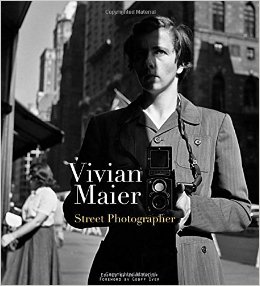 Another book with pictures is the brilliant Vivia
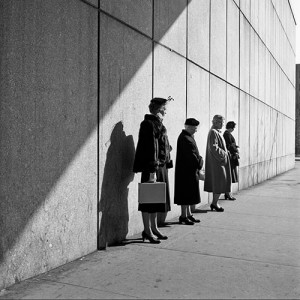 n Maier: Street Photographer edited by John Maloof and published by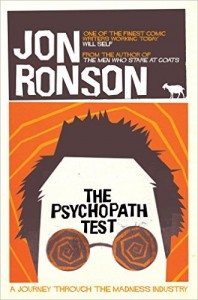
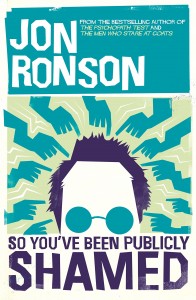 Psychopath Test. A superb and funny investigation into the nature of madness of various types, it retrospectively suffers a little from its own success, the ideas and stories having been widely disseminated since publication (Channel 4’s Psychopath Night etc) and on the whole I think I prefer his latest,