
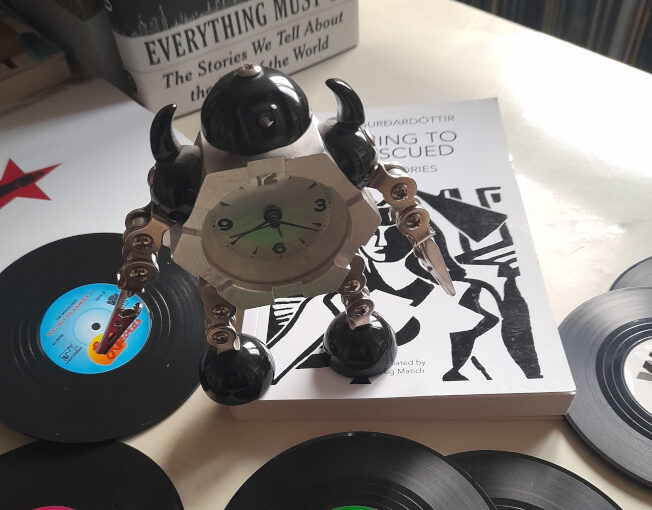
…it’s time for another annual roundup. Participating in end of year ‘best of’ lists is fun, but as my previous few ‘albums of the year’ features for this site (each probably more perfunctory than the last) and this essay on my substack illustrate, over time I’ve found the idea of the best [thing] of the year less and less relevant, not because the things aren’t good but because it doesn’t really matter that they came out this year. There’s a reasonable chance that I haven’t even heard my favourite album of last year, or of 2015 or of 1981 yet. My most listened-to artist of 2025 was probably Kevin Ayers, dead for over a decade now, and my most watched films and TV shows and most read books even more zeitgeist-resistant.
But here are a few things and thoughts anyway. My favourite new albums of the year included several I reviewed for Spectrum Culture, including:
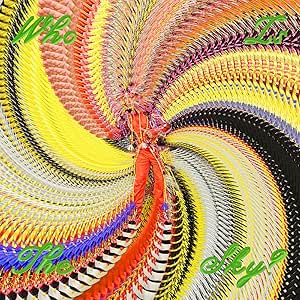
David Byrne’s Who is the Sky? More modest, more personal and more enjoyable to me than American Utopia, though I understand that it seems less ambitious and therefore less impressive in a way.
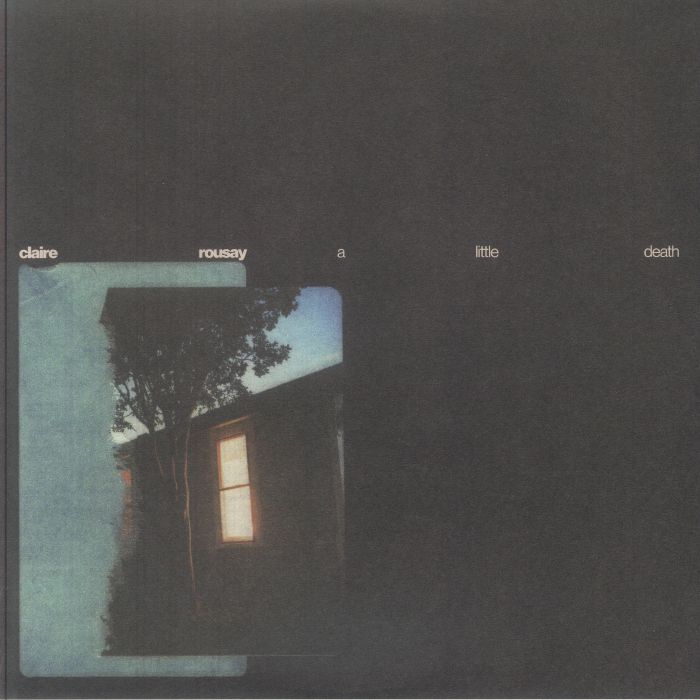
Claire Rousay – a little death – sometimes blurring the boundaries between music and just sound, I thought this was really arresting and intimate and moving but hard (as you see) to write about well.
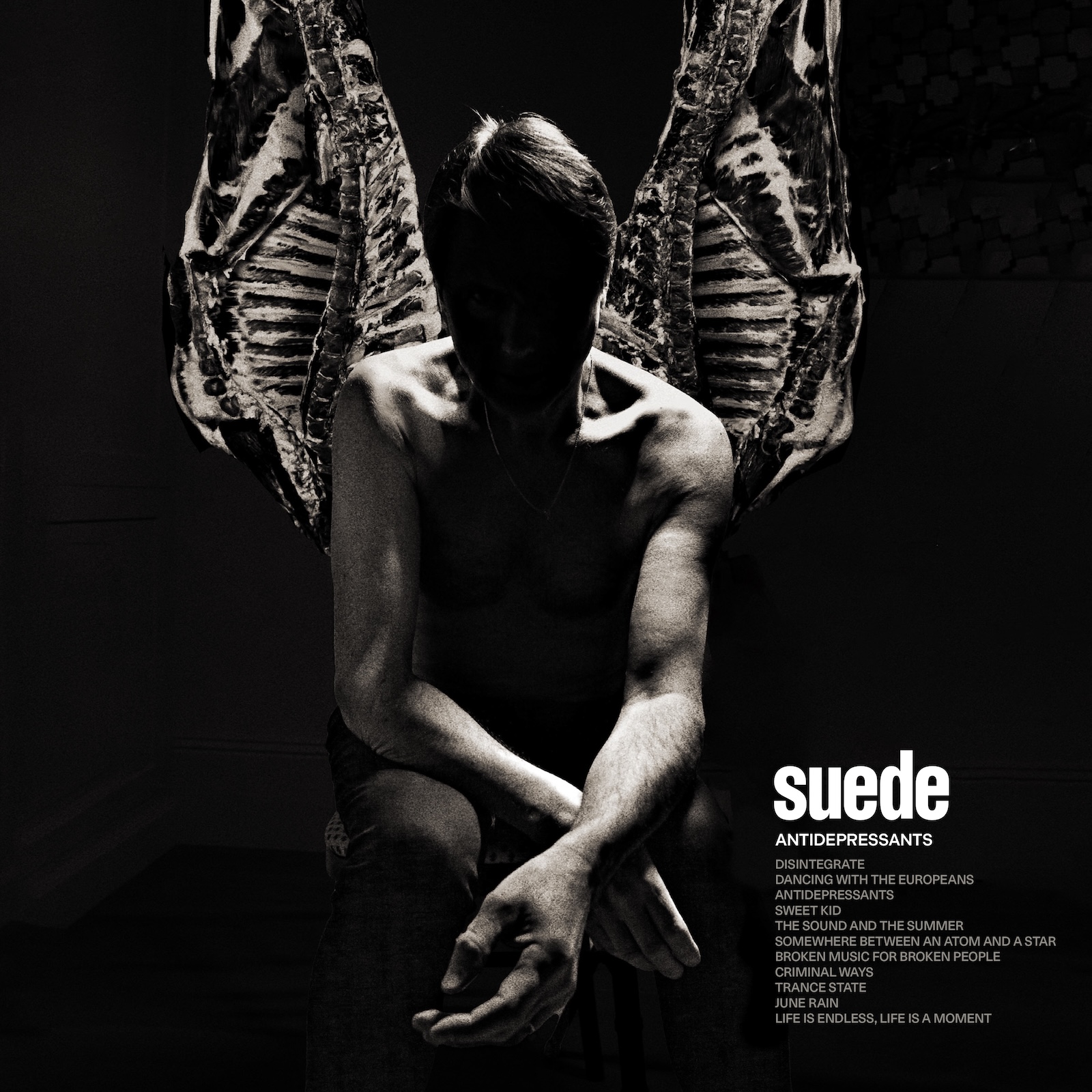
Suede – Antidepressants – Suede in 2025 are not central to my musical life like they were in 1993 and therefore Antidepressants did not have the impact that Suede did (or at least that I expected it to; in fact I only loved about half of it), but it’s is probably a better, deeper and more rounded – and certainly a more consistent album than Suede was, even if the high points are less iconic
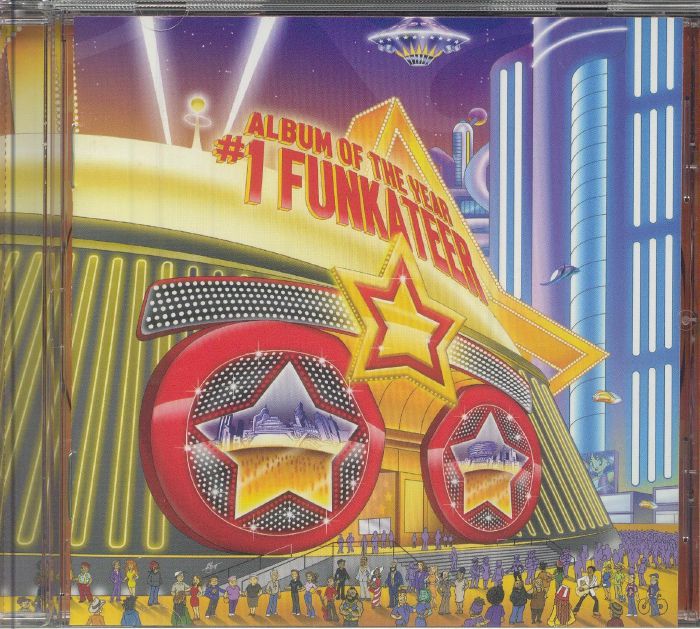
Bootsy Collins – Album of the Year #1 Funkateer – this was sprawlingly creative, fun and of course funky. The P-funk style that made Booty’s name seems fundamentally 70s but here he slips it over the top of the idioms of the 2020s and it fits like a glove with no hint of ‘retro’
I didn’t write about these next ones for Spectrum Culture, but they are up there with my favourites of the year too:
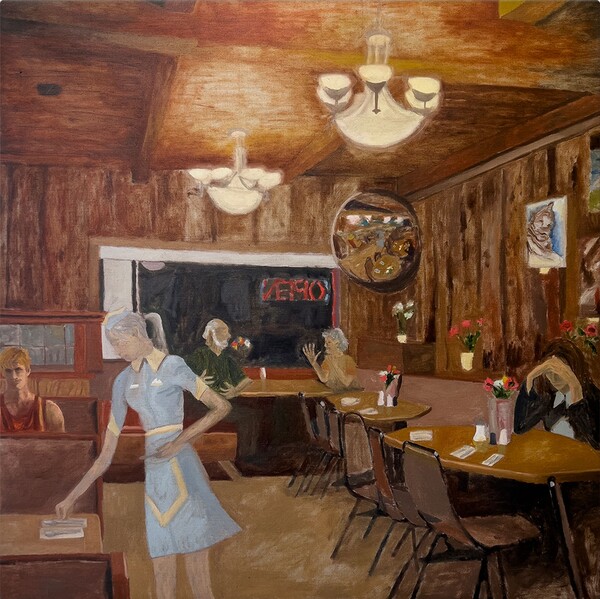 Ghost World – Armadillo Café – So far Ghost World haven’t (for me) surpassed the music of their first two albums, Ghost World and Spin, but repeatedly putting on Armadillo Café while consciously ignoring the fact that it’s a concept album about a café, it turns out to be another collection of idiosyncratic and loveable indie pop songs. The concept is fun but detracts from rather than strengthens the quality of the individual songs.
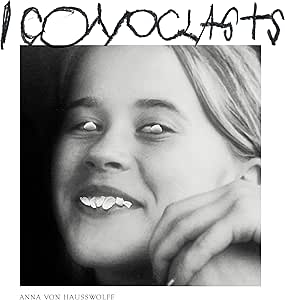 Anna Von Hausswolff – Iconoclasts. I wouldn’t say Anna Von Hausswolff goes from strength to strength; she’s always been great – but her work remains consistently interesting, challenging and gripping and Iconoclasts pretty much picks up where 2018’s Dead Magic left off, but absorbing rather than sidestepping the sombre majesty of her 2020 instrumental album All Thoughts Fly. Basically, she makes the kind of music you’d hope someone with the name Von Hausswolff would make.
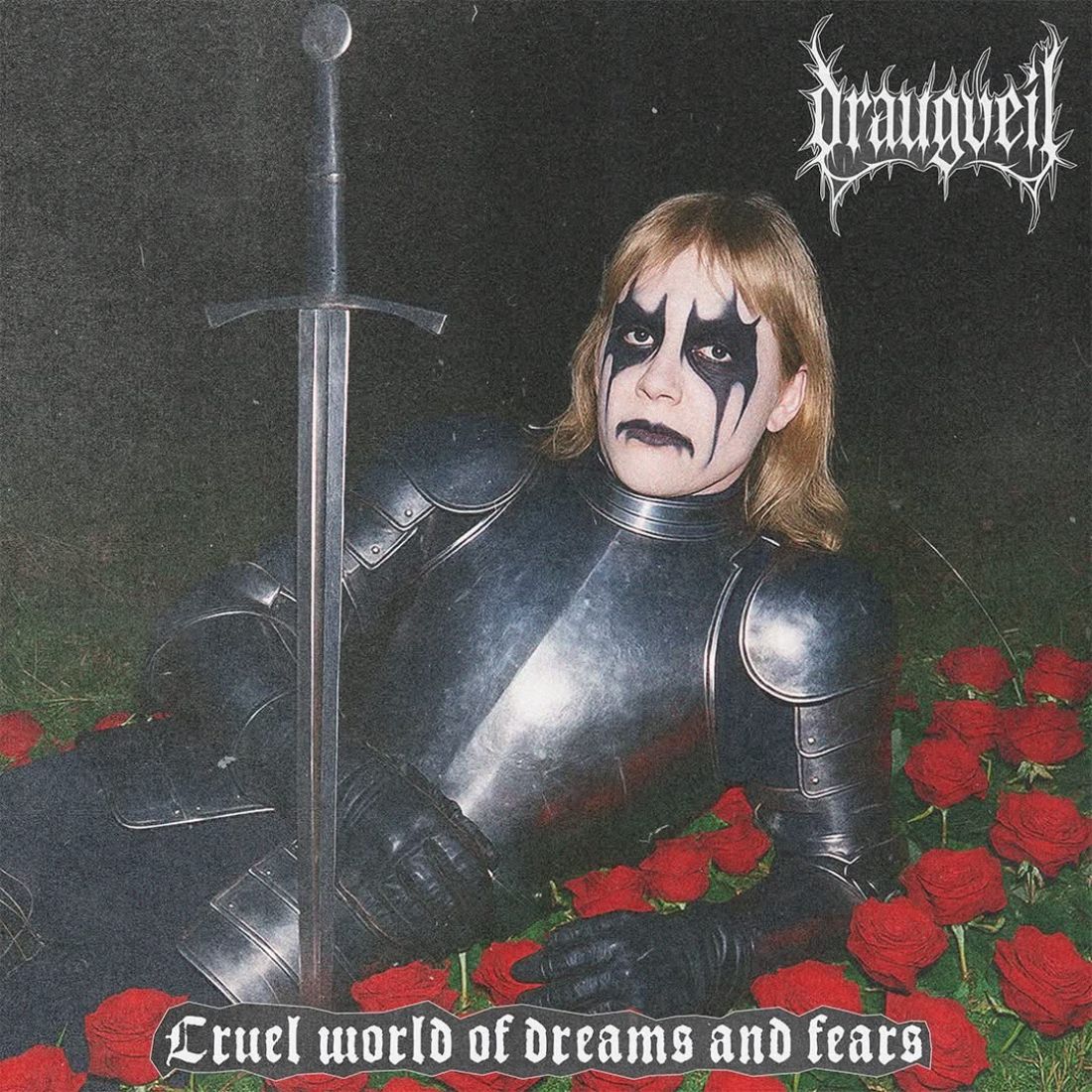
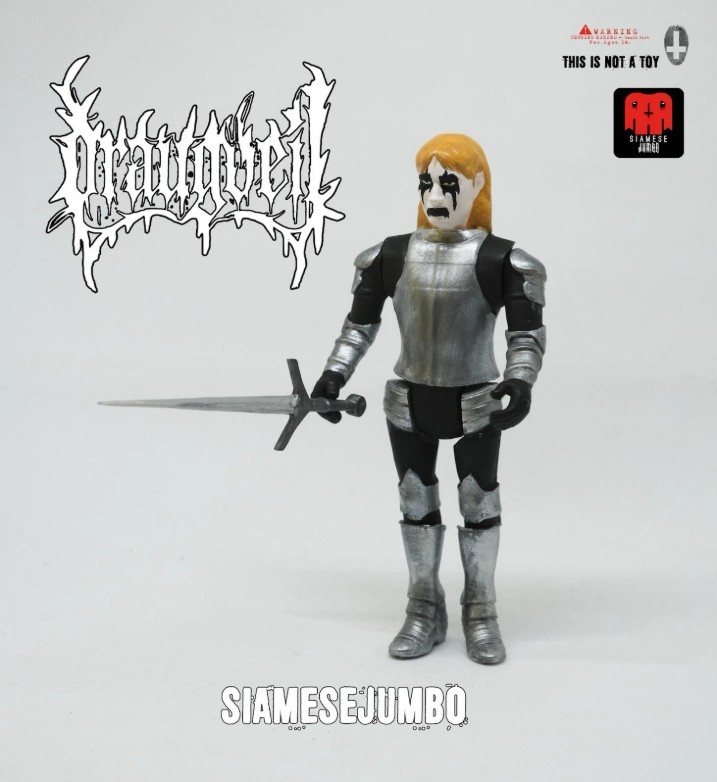
Draugveil – Cruel World of Dreams & Fears – I haven’t had to listen to a lot of black metal for work this year, which ended up rekindling my love for the genre and especially its typical, rather than outstanding or experimental adherents. The promotional material for the latest release by Ukrainian one-man project Draugveil release promised “A new era of romanticism, love and death…” and the album artwork shows him resplendent/despondent in corpsepaint and armour – the exact kind of objectively absurd thing that invites mockery from both inside and outside of the metal world; and I love it. Keats wrote that he was “half in love with easeful death…” but the romanticism of death that was such a notable part of the culture of the 16th, 17th and19th centuries lost its traditional allure post-World War One and at some point in the intervening years has become seen as kind of an adolescent trope, but why not? The songs on Cruel World of Dreams & Fears have titles like “Beneath the Armor I Rot”, “Wolves Feast on Forgotten Dreams” and “My Sword Points to the Past”* – and the tunes are likewise a mixture of yearningly romantic and crushingly doomladen and anguished. I have the feeling that, like the Smiths, but to the power of ten, this is the kind of thing that people either just respond to or really don’t. “Beneath the Armor I Rot” is the “Girlfriend in a Coma” of black metal; possibly immature, patently ridiculous, but irresistible, if it happens to be your cup of tea.
Interesting side note: some genius has perfectly gauged the kind of fanbase Draugveil is likely to appeal to and produced an action figure. Too pricey for me but entirely desirable.
* these titles make me think of an old Fry & Laurie sketch where a teenager writes a poem called “Inked Ravens of Despair Claw Holes in the Arse of the World’s Mind” – which kind of proves my point about the adolescent-ness of thanatophilia(?maybe the right word?) but I’ve remembered that title since I was at high school, which probably means something too.
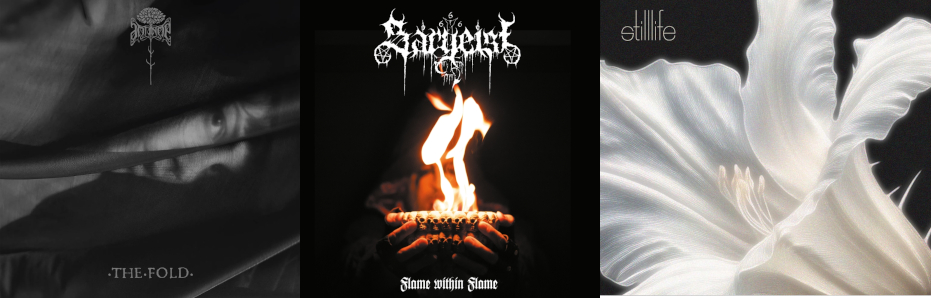
Honourable mentions that I like almost as much as the above but have run out of the will to write about include Kariti’s lovely album Still Life, the beautiful and deeply enigmatic album The Fold by Antinoë, which I’d recommend to anyone who likes the Anna von Hausswolff record and Sargeist’s Flame Within Flame, which is black metal with much of the absurdity drained out and replaced with venomous energy.
One of the discoveries of the year for me was podcasts – obviously I knew they existed, but I’d rarely been tempted to check them out. It turns out that mostly they aren’t for me, but there are a few I really like and one I love. That one is Origin Story, which I came to because I loved Ian Dunt’s brilliant 2021 book How to be a Liberal. The point of Origin Story, a podcast by Dunt & Dorian Lynskey (more below) is to “explore the hidden histories of the concepts you thought you knew.” It’s general focus is socio-political I suppose, but it takes in subjects as varied as zombies, comics, George Orwell, economics, history, etc etc (the latest season was a history of socialism) which you might think could be quite dry, but in fact is exciting, funny and entertaining; love it. Other favourites are Katie Hessel’s The Great Women Artists, Mark Kermode’s Kermode on Film and the Time Team podcast
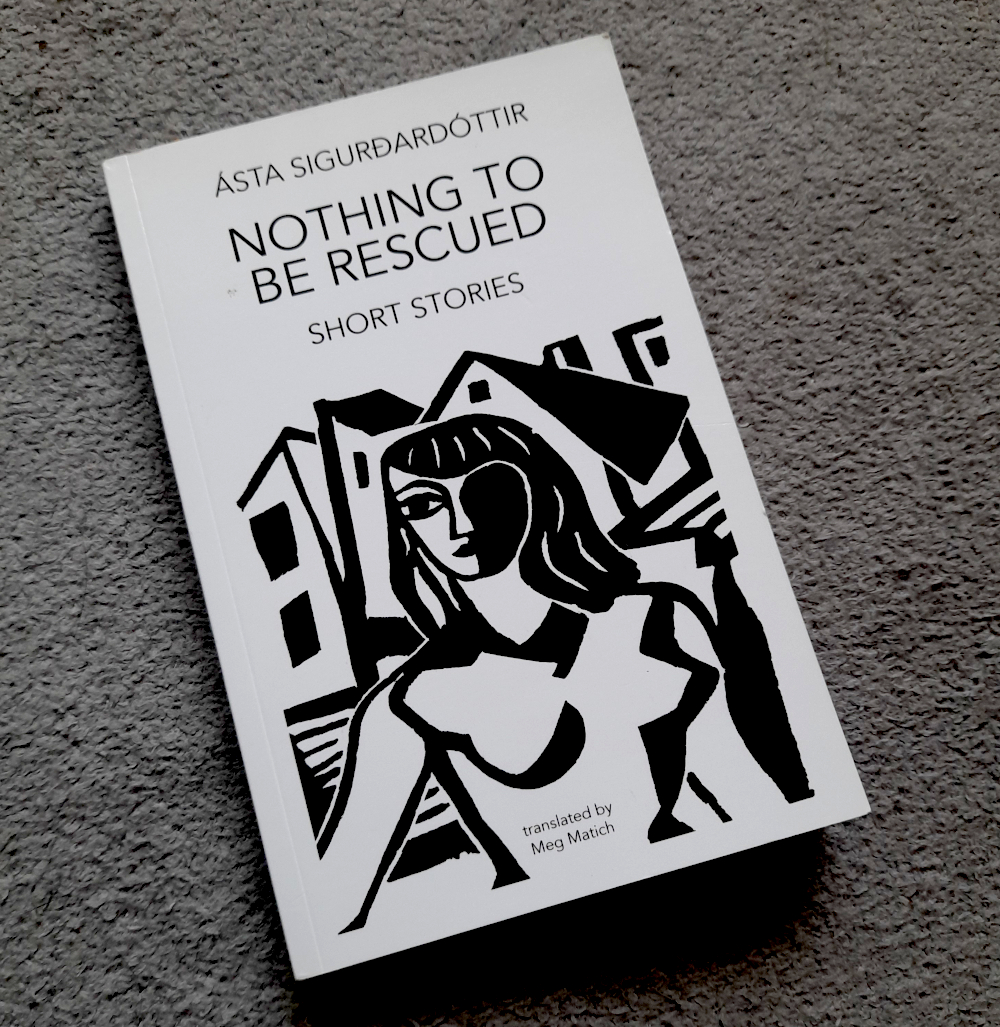 With books – unless, presumably, one is a publisher or a more than occasional book reviewer, the ‘of the year’ part is even less relevant. As it happens, I did read one book published this year that I thought was outstanding – Dorian Lynskey’s Everything Must Go – The Stories We Tell About the End of the World which I reviewed here and chose here, but I read many other books whose publication dates I’d have to look up. Most recently, I loved Nothing to be Rescued, a collection of sad and bitter short stories by Ásta Sigurðardóttir, a 2025 discovery for me, but Ásta died in 1971 and most of the stories pre-date her death by a decade. Even this collection, translated into suitably stark but beautifully readable English by Meg Matich, and which features Ásta’s own illustrations, is a couple of years old already. But just as the music that sounds best this year will sound the same next year, these stories, which have already outlived their author by more than half a century will continue to feel just as vivid and alive…
Onwards! because where else is there to go?
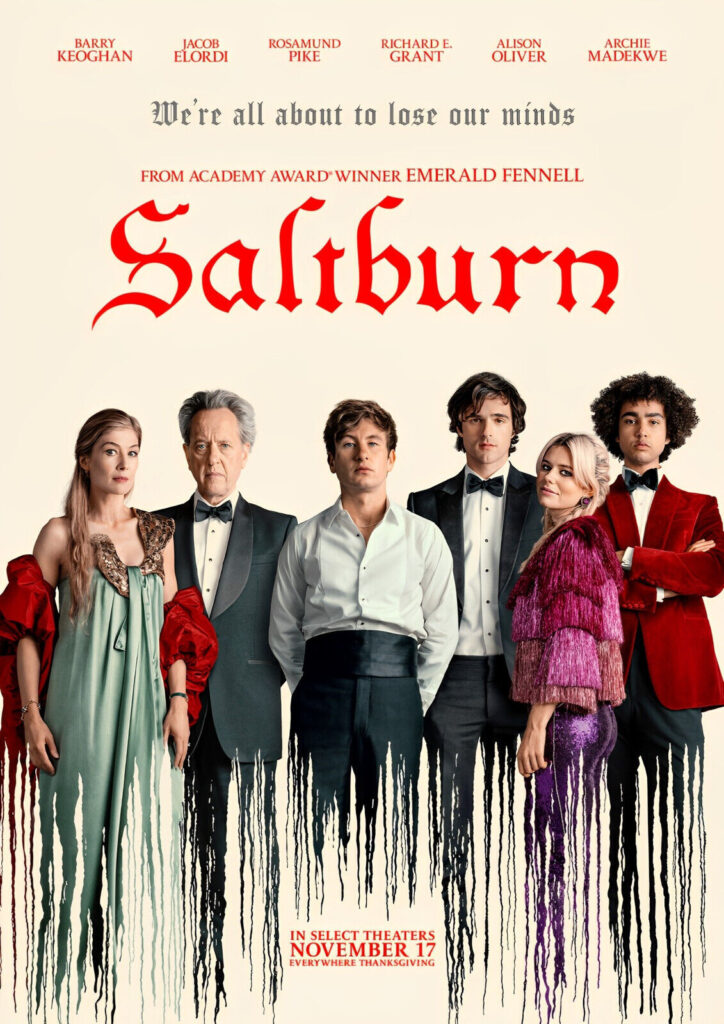 2023 was the usual mixed bag of things; I didn’t see any of the big movies of
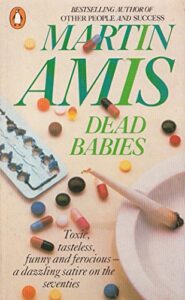 the year yet. I have watched half of Saltburn, which so far makes me think of the early books of Martin Amis, especially Dead Babies (1975) and Success (1978) – partly because I read them again after he died last year. They are both still good/nasty/funny, especially Success, but whereas I find that having no likeable characters in a book is one thing, and doesn’t stop the book from being entertaining, watching unlikeable characters in a film is different – more like spending time with actual unlikeable people, perhaps because – especially in a film like Saltburn – you can only guess at their motivations and inner life. So, the second half of Saltburn remains unwatched – but I liked it enough that I will watch it.

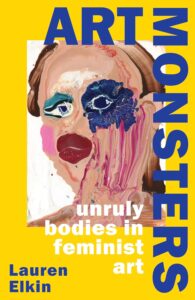 I read lots of good books in 2023 – I started keeping a list but forgot about it at some point – but the two that stand out in my memory as my favourites are both non-fiction. Lauren Elkin’s Art Monsters: Unruly Bodies in Feminist Art is completely engrossing and full of exciting ways of really looking at pictures. I wrote at length about Elena Kostyuchenko’s I Love Russia
  It’s no great surprise to me that my favourite books of the year would be – like much of my favourite art – by women. Though I think the individual voice is crucial in all of the arts, individuals don’t grow in a vacuum and because female (and, more widely, non-male) voices and viewpoints have always been overlooked, excluded, marginalised and/or patronised, women and those outside of the standard, traditional male authority figures more generally, tend to have more interesting and insightful perspectives than the ‘industry standard’ artist or commentator does. The first time that thought really struck me was when I was a student, reading about Berlin Dada and finding that Hannah Höch was obviously a much more interesting and articulate artist than (though I love his work too) her partner Raoul Hausmann, but that Hausmann had always occupied a position of authority and a reputation as an innovator, where she had little-to-none. And the more you look the more you see examples of the same thing. In fact, because women occupied – and in many ways still occupy – more culturally precarious positions than men, that position informs their work – thinking for example of artists like Leonora Carrington, Kay Sage or – a bigger name now – Frida Kahlo – giving it layers of meaning inaccessible to – because unexperienced by – their male peers.
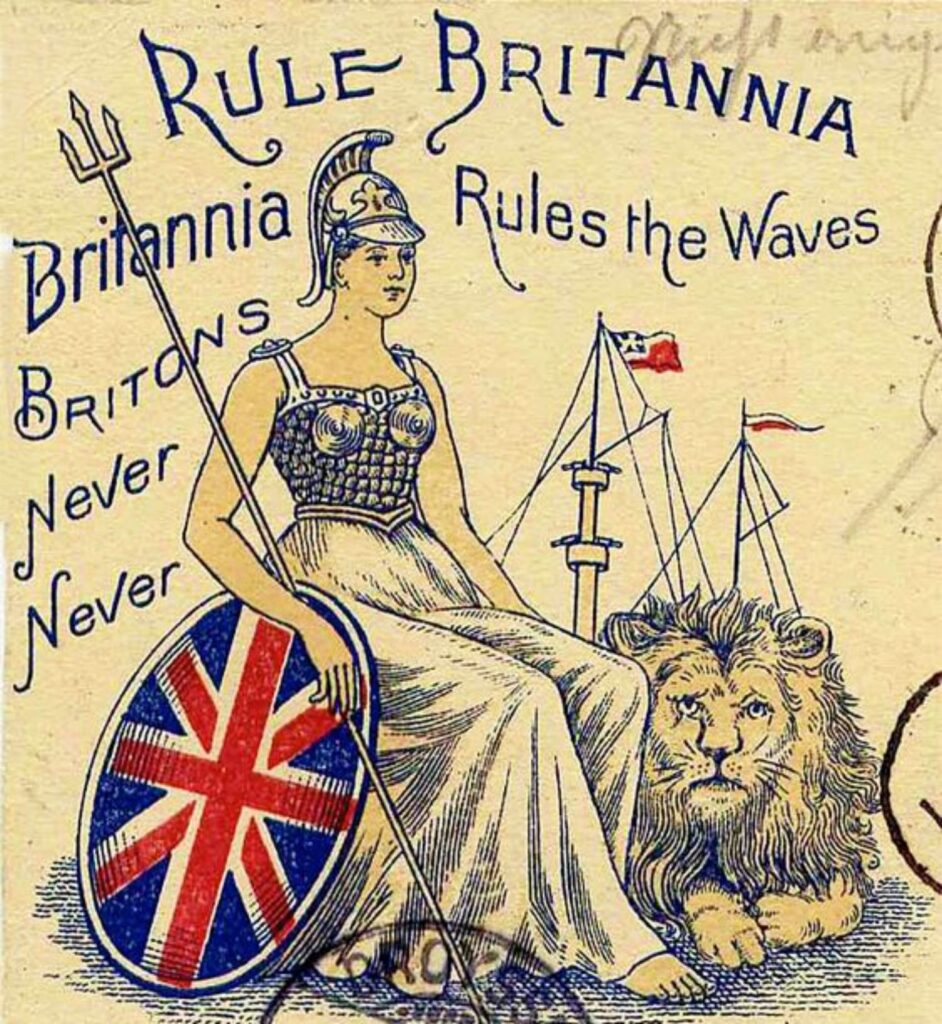 If that backlash comes, it will be from the academic equivalent of those figures who, in 2023 continued to dominate the cultural landscape. These are conservative (even if theoretically radical) people who pride themselves on their superior rational, unsentimental and “common sense” outlook, but whose views tend to have a surprising amount in common with some of the more wayward religious cults. Subscribing to shallowly Darwinist ideas, but only insofar as they reinforce one’s own prejudices and somehow never feeling the need to follow them to their logical conclusions is not new, but it’s very now. Underlying ideas like the ‘survival of the fittest’, which then leads to the more malevolent idea of discouraging the “weak” in society by abolishing any kind of social structure that might support them is classic conservatism in an almost 19th century way, but somehow it’s not surprising to see these views gaining traction in the discourse of the apparently futuristic world of technology. In more that one way, these kinds of traditionalist, rigidly binary political and social philosophies work exactly like religious cults, with their apparently arbitrary cut off points for when it was that progress peaked/halted and civilisation turned bad. That point varies; but to believe things were once good but are now bad must always be problematic, because when, by any objective standards, was everything good, or were even most things good? For a certain class of British politician that point seems to have been World War Two, which kind of requires one to ignore actual World War Two. But the whole of history is infected by this kind of thinking – hence strange, disingenuous debates about how bad/how normal Empite, colonialism or slavery were; incidentially, you don’t even need to read the words of abolitionists or slaves themselves (though both would be good to read) to gain a perspective of whether or not slavery was considered ‘normal’ or bad by the standards of the time. Just look at the lyrics to Britain’s most celebratory, triumphalist song of the 18th century, Rule Britannia. James Thomson didn’t write “Britons never, never, never shall be slaves; though there’s nothing inherently wrong with slavery.” They knew it was something shameful, something to be dreaded, even while celebrating it.
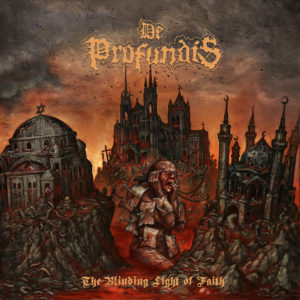 I am (as I think most people probably are!) quite fussy about death metal, but without being retro in any kind of self-conscious way, De Profundis make music that would sit happily in the late 80s/early 90s death metal scene. The Blinding Light of Faith is an album that can hold its own in the company of any of the big names of death metal; superb, intelligent musicianship and songwriting – it’s a seriously impressive album.
 80s veteran(s) Lizzy Borden (both a singer and a band) seem always to suffer from being mis-pigeonholed, whether as a glam band (he/they did have the image), Twisted Sister clones (ditto), or some kind of Alice Cooper-esque horror-metal act (partly the name, partly the image innit), but if you listen back to the best of the band’s 80s work, especially Love You To Pieces, they were really a classic metal band, more Iron Maiden-meets-W.A.S.P. than Motley Crue. On the new album Lizzy himself takes centre stage, singing better than he ever has – no mean feat – and playing all the guitars on what is a very song-based album. It’s not very heavy – more a kind of homage to bands like Cheap Trick and Queen than the early 80s Lizzy Borden sound. But it’s really good if you like that kind of thing, and it’s great to hear Lizzy really going for it after a couple of slightly patchy, compromised-sounding, ‘not bad’ records.
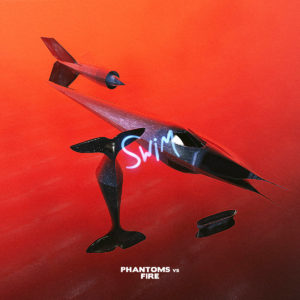
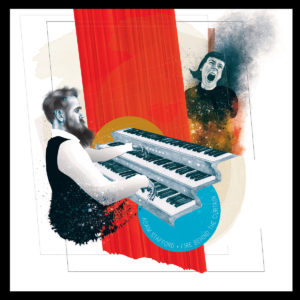 Away from metal, this is a really interesting, good album if you like – well, what? “Film soundtrack music” isn’t really a genre, is it, but that’s what Fire Behind The Curtain makes me think of. I’ve seen it described as neoclassical and minimalist too, but neither of those feels quite right to me. It’s a beautifully cohesive-yet-eclectic collection of mostly-instrumental pieces vary from haunting and bleakly forbidding atmospheres to warm and embracing melodies.
 I can’t really write an awful lot about this album from the always-dependable I Heart Noise label, as I’ve only just started listening to it really; but so far I love it. It makes me think of Lou Reed, or Alan Vega covering John Lennon’s Plastic Ono Band album; sparse, forlorn, world-weary and a little bit sleazy.
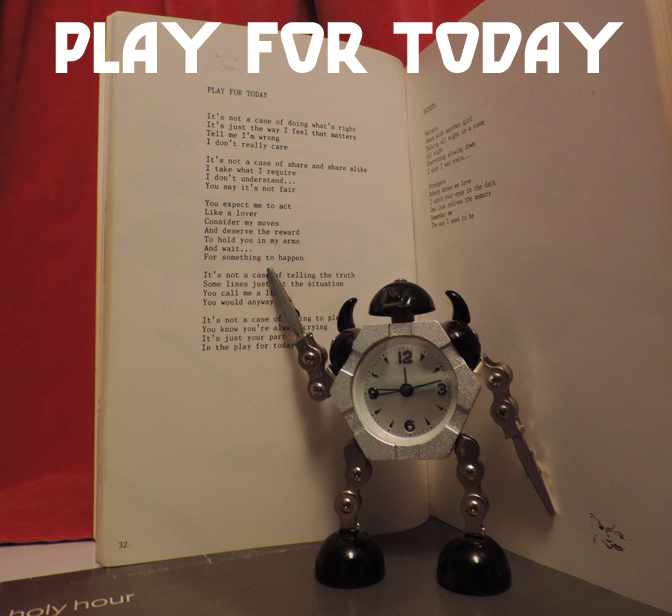

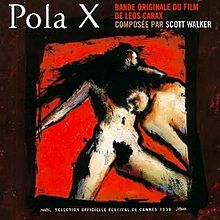

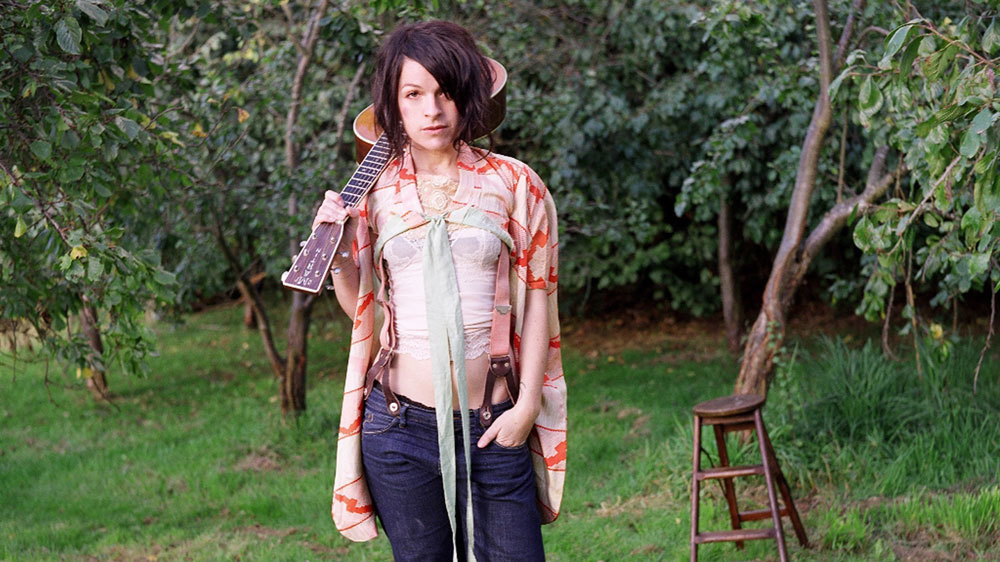
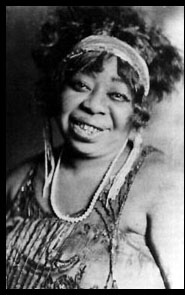 Heartbreakingly sad but also funny and rebellious blues performance by one of my favourite blues singers, with brilliant guitar playing by Tampa Red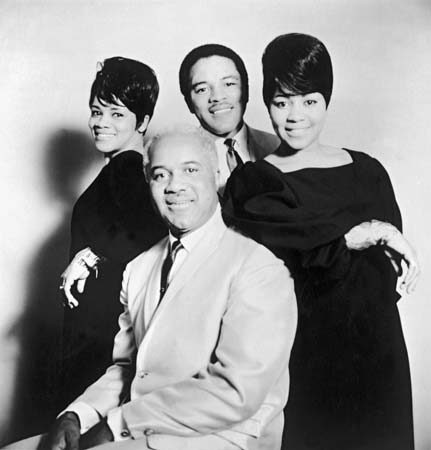


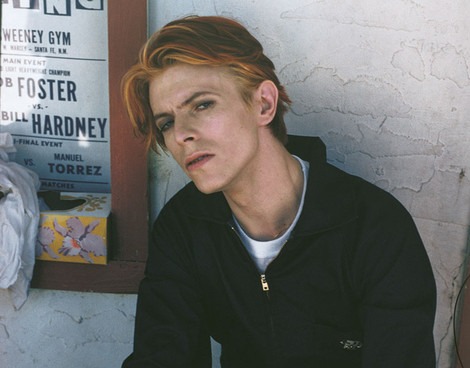
 The Gouster Sessions 1974 (fragment) – This is so frustrating, tantalising and great; the song fragments; Shilling the Rubes, I Am A Lazer, After Today and the rough version of Young Americans come from what is currently my favourite Bowie period and the recording has just a little more grit than the finished album. Bowie and his band sound on top form and the bits of studio banter sound amazingly relaxed and fun given Bowie’s apparent drug intake and exhaustion during that time. I wish the full sessions would turn up and be released.
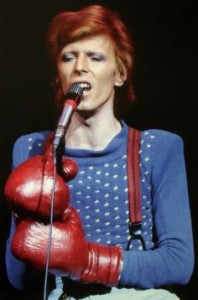 (and Diamond Dogs in general) for years (its only fairly recently been supplanted as my favourite Bowie album by Young Americans) and I’m not sure that he ever sang a song better than this. The part in the first verse where he sings ‘I looked at you and wondered if you saw things my way’ over the ominous churchy organ part (so to speak) is to me one of the greatest moments in all Bowie-dom. Hugely atmospheric, perfectly articulated and chilling/moving/ominous. For years I thought the chorus (or semi-lack thereof) let the song down, but I’m not so sure now.
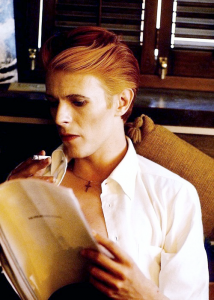 Word on a Wing (from Station to Station, 1976) – Speaking of ideologically dubious Bowie material, Station to Station must be one of the creepiest albums ever recorded by a mainstream pop artist; not least because its melange of decadent European culture, emotional withdrawal and exhaustion and overtones of religious and magical yearning are imbued with a dark romanticism. Word on a Wing is just beautiful and weary though.
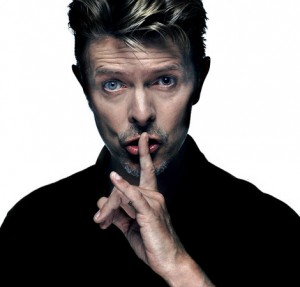 seems not to have been (in his music at least, but see below) an especially nostalgic person. But writing the music for the TV adaptation of Hanif Kureishi’s 70’s-set drama allowed him to look at his early work as others saw it, and this breezy yet yearning song is extremely moving, if you’re me.
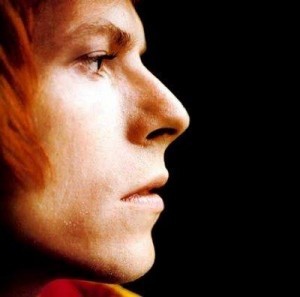 Lady Stardust (from Ziggy Stardust & the Spiders from Mars, 1972) – A beautiful, brilliantly produced and performed song that exemplifies everything glam-era Bowie stood for; sexy, glamorous, gender-ambiguous and an immaculate pop song too. Sigh.