
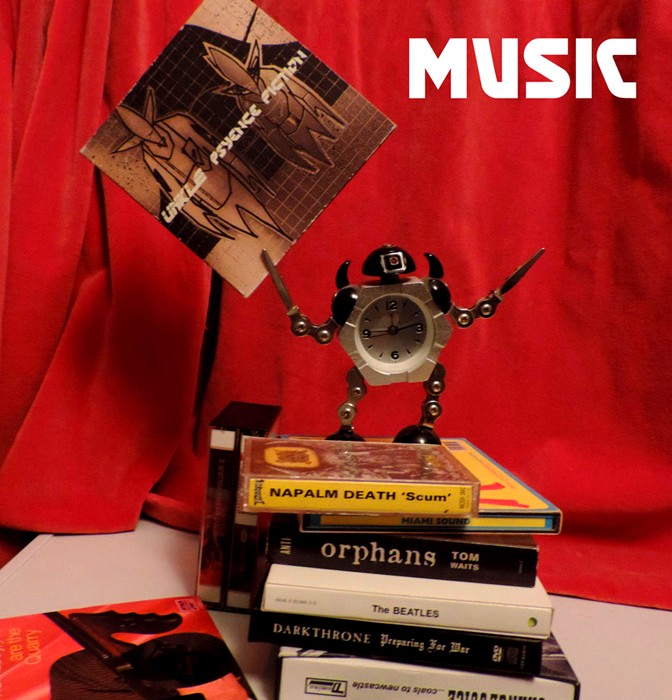
It’s been a few years since I did an ‘album of the year’ post here, because in general I have to write them for other places and get a bit bored with the process, but this year I thought I’d do something a little different.
But first: albums of the year 2022
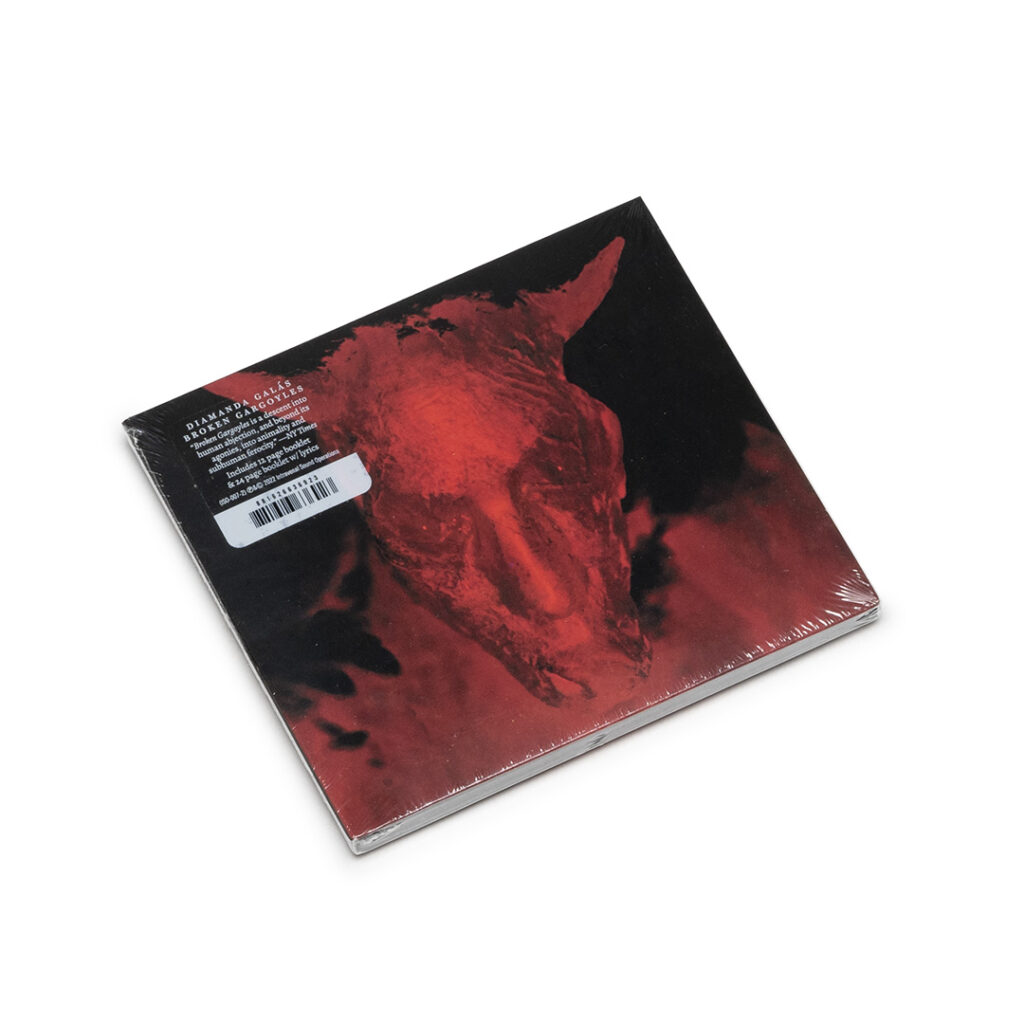
My album of the year, by a big margin was Diamanda Galás’s extraordinary Broken Gargoyles. I’ve written about it at length here and here, and had the privilege of discussing it with Diamanda herself here, so won’t say too much about it, except for one observation. People usually use the phrase ‘life-affirming’ to describe records that are joyous, uplifting or leave you with feelings of positivity and contentment. All good things, but Broken Gargoyles is not that album. Instead, it’s life-affirming in the sense that it heightens the sense of being alive and even interrogates the idea of what it really means and how it feels, to be human. It’s thrilling and sometimes beautiful, but also harrowing; and how many musicians even attempt anything like that?
My other favourites this year included Shiki by the Japanese avant-garde black metal band Sigh. It follows in the eclectic footsteps of their past few albums but whereas they blended bits of black metal, prog rock, jazz and so on with sometimes great, sometimes patchy results, Shiki blends them in a far more cohesive and successful way where every song is everything and not this genre-with-a-bit-of-that.
I also loved Beth Orton’s Weather Alive, which I wrote about here, and a very late entry in the AOTY stakes (I literally heard it this week for the first time) is Hjartastjaki by Isafjørd. One genre I have very rarely liked or understood the appeal of is post-rock, but this – a collaboration between Addi of Sólstafir (who I do like – they played one of the best sets I’ve ever seen by anyone at Eistnaflug Festival in 2011) and Ragnar Zolberg – gripped me from the first listen and I currently can’t get enough of it. Even though it’s not at all like it in any way, something about it – maybe just the epically mournful atmosphere – reminds me of Disintegration by The Cure, which is never a bad thing.
So much for 2022. But how much importance should one place on the album of any given year? Albums, like movies, books or any other form of entertainment stay with you if they are any good, and your feelings about them change over time. And some of my favourite albums of all time were released before I was even born, so their context presumably doesn’t necessarily contribute to their impact, on a personal level at least. I’ve been writing for myself since I first started my old blog in 2012 so for a kind of half-assed ten-year anniversary I thought I’d revisit my older albums of the year and see which ones had staying power for me. I’ll limit it to a few from each year so it doesn’t get out of hand.
Strangely I didn’t do one for my own site in 2012 and I don’t have the list I did for Zero Tolerance magazine that year to hand so let’s go from 2013 to 2019, since 2020 is only two years ago and ‘the test of time’ hasn’t completely been passed or failed yet…
2013
 My favourite album of that year was Ihsahn’s Das Seelenbrechen, and it’s still one of my favourite albums. I rarely listen to it all the way through at the moment, but various tracks, such as Pulse, Regen and NaCL are still in regular rotation
Others:
David Bowie – The Next Day: I loved this at the time and it felt like a return to form of some sort, but now, though there are some great tracks, it feels a middling Bowie record
Ancient VVisdom: Deathlike – good kind of pastoral black doom/blues (!?) album but haven’t listened to it probably for years at this point
October Falls – The Plague of a Coming Age – very nice, interchangeable with any other October Falls record. They are all nice, I don’t listen to them very often
Sangre de Muerdago – Deixademe Morrer No Bosque: I still play bits of this dark Galician folk album from time to time. It’s great but I’ve never got around to listening to any of their other stuff
Manierisme – フローリア I LOVED Manierisme, and the atmosphere and noise of it still really isn’t like much else. But it’s so harsh in its peculiar way that I rarely listen to it now
Beastmilk – Climax: worth mentioning this because Finnish post-punks Beastmilk (who changed their name to Grave Pleasures and lost their appeal for me pretty quickly) were a much-hyped band that year. It still sounds like a pretty good gothy post-punk type of record, but I had to check it out to remind myself of that
2014
 My favourite album of 2014 was Mondegreen by the avant-garde string quartet Collectress and I still love it and listen to bits of it quite often
Most of 2014’s list are just names to me now, though I’m sure they are pretty good: I quite liked Scott Walker & Sun O)))’s Soused but have never revisited it. I thought Mirel Wagner’s When the Cellar Children See the Light of Day was great but don’t really remember it – must check it out again. Nebelung’s Palingenesis has some really nice songs on it that I listen to occasionally.
2015
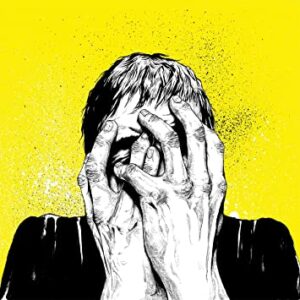 My album of 2015 was Life is a Struggle, Give Up by Oblivionized. Putting it on again for the first time in ages, it’s still an invigorating, unique semi-grindcore album. Also kind of harsh and draining, so not a frequent listen, but an album worthy of rediscovery nonetheless.
Much easier to listen to but at the time outside of my top ten is the great Hustler’s Row by
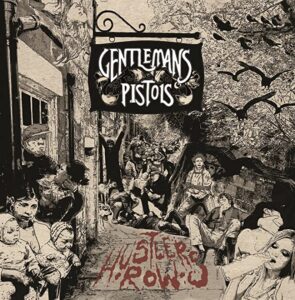
Gentlemens Pistols. I would not have predicted that this would be one of the records that I’d keep returning to but it is: people who love 70s hard rock of the Deep Purple/Rainbow type who haven’t checked it out are missing a treat.
Otherwise, loved Jarboe and Helen Money’s self-titled album, but it’s not very strong in my memory now. The Zombi Anthology by Zombi still sounds great but I rarely listen to it. Ratatat’s Magnifique still gets an outing every now and then, but SUN by Secrets of the Moon and Syner by Grift, both of which I really loved and still think are great, seem kind of hard going to me now.
I went through a phase of really loving Venusian Death Cell (and still do, but don’t listen much) and Honey Girl, “released” that year may be my favourite of his albums. Tribulation’s Children of the Night is fun too, in a very different and probably more accessible way
2016
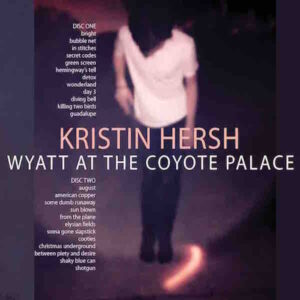 I wouldn’t necessarily say I was aware of it at the time, but 2016 was a great year for music. My album of the year was Wyatt at the Coyote Palace by Kristin Hersh (which I enthused about here) and it became, as I thought it might, one of those albums I can still listen to at any time, pretty much: it’s great.
Otherwise, Zeal & Ardor’s Devil is Fine still sounds great (and is still my favourite Z&A release). I liked Komada by Alcest but now think it’s pretty dull. I was excited by some EPs by Naia Izumi too, but haven’t really checked out their work since then. I am, outrageously, still the ONLY person I know who likes Extended Play by Debz, and it’s still a unique little record and I love it.
I still think Das Ram by Rachel Mason – my other contender for AOTY that year – is great, but as with a few other things, it slipped off of my listening list at some point and I had to remind myself of it
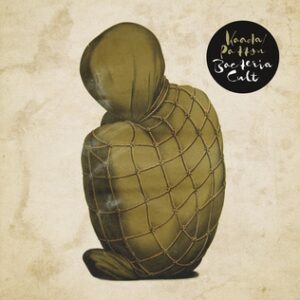
Kaada/Patton’s Bacteria Cult (Ipecac Recordings) is the Hustler’s Row of 2016, only in the sense that it entered my forever playlist without me expecting it to. I’m not sure a week has gone by since then that I haven’t listened to a song or two from this masterpiece
Honorable mentions
David Bowie – Blackstar
Leonard Cohen – You Want It Darker
Iggy Pop – Post Pop Depression
Jozef van Wissem – When Shall This Bright Day Begin
Japanese Breakfast – Psychopomp
Schammasch – Triangle
De La Soul – …and the Anonymous Nobody…
Kate Carr – I Had Myself a Nuclear Spring
Jeff Parker – The New Breed
2017
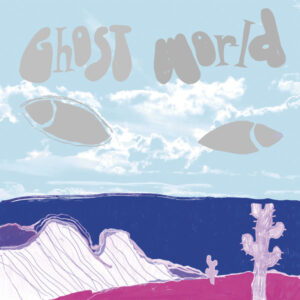 2017 had fewer standouts for me but my album of the year, the self-titled debut by Finnish alt-rock band Ghost World, which I wrote enthusiastically about here, still sounds fantastic. That said, though I was less enthused by the 2018 follow up, Spin at the time, that album is the one I listen to more now. But the best songs from Ghost World are still energised grunge-pop classics.
Otherwise, I liked Quinta – The Quick Of The Heart and a few of its songs are still played quite regularly.
I gave Invocation And Ritual Dance Of My Demon Twin by Julie’s Haircut a great review at the time but don’t remember it now, whereas I didn’t think Tarrantulla by Islaja would have much staying power, but bits of it still pop into my head and therefore onto my stereo every now and then.
2018
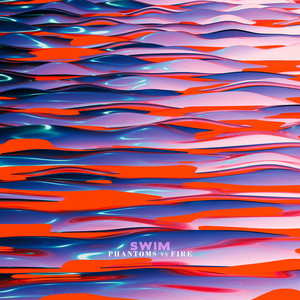 I was hugely surprised in 2018 to find that my album of the year was an electronic one, Swim, by Phantoms vs Fire, a cinematic masterpiece full of woozy retro-futuristic sounds and melancholy atmospheres. Even more unexpectedly, it’s gone on to be one of my favourite albums of all time and something that I regularly listen to. All of the other Phantoms vs Fire stuff is fine, but for me at least, this is the one.
I was much taken with As Árvores Estão Secas e Não Têm Folhas by the Portuguese dark folk band Urze de Lume at the time but though I could still happily listen to it, I haven’t for a while.
By contrast, songs from all of these have unexpectedly been in regular rotation over the past few years: Ghost World – Spin
Just Like This – Faceless
Orion’s Belte – Mint
Oh, and Burn My Letters by William Carlos Whitten has been revisited far more than I expected and I expect his “Poor Thing” will remain in rotation for the foreseeable future
2019
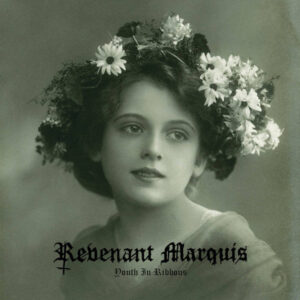 In 2019, I loved another Collectress album, Different Geographies but it didn’t replace or match Mondegreen in my affections. I can’t seem to find my album of the year strangely, but it might well have been Youth in Ribbons by Revenant Marquis, still my favourite of that prolific artist’s releases.
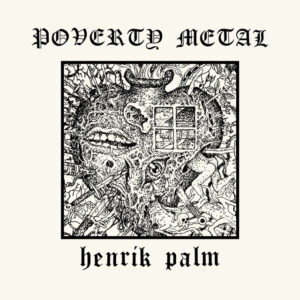
I also loved but rarely if ever listen to Cryfemal’s Eterna oscuridad, Emma Ruth Rundle & Thou’s May Our Chambers… and Ulver’s Flowers of Evil, but the sleeper of the year was Henrik Palm’s Poverty Metal which I liked fine, but didn’t expect to still be listening to as regularly as I am.
On the whole it seems to have been a year of songs rather than albums for me – I like the title track of Viviankrist’s Morgenrøde probably as much as anything from that year and bits of Cellista’s Transfigurations still sound great. But lots of the most-praised stuff of the year, albums by Alcest, Cult of Luna and so forth just don’t register with me now: still, can’t like everything.