Suicide and murder will get a band noticed, but more than enough has been written about all that elsewhere (best short version; Ian Christe’s Sound of the Beast, best longer version; Michael Moynihan & Didrik Søderlind’s classic Lords of Chaos), so…
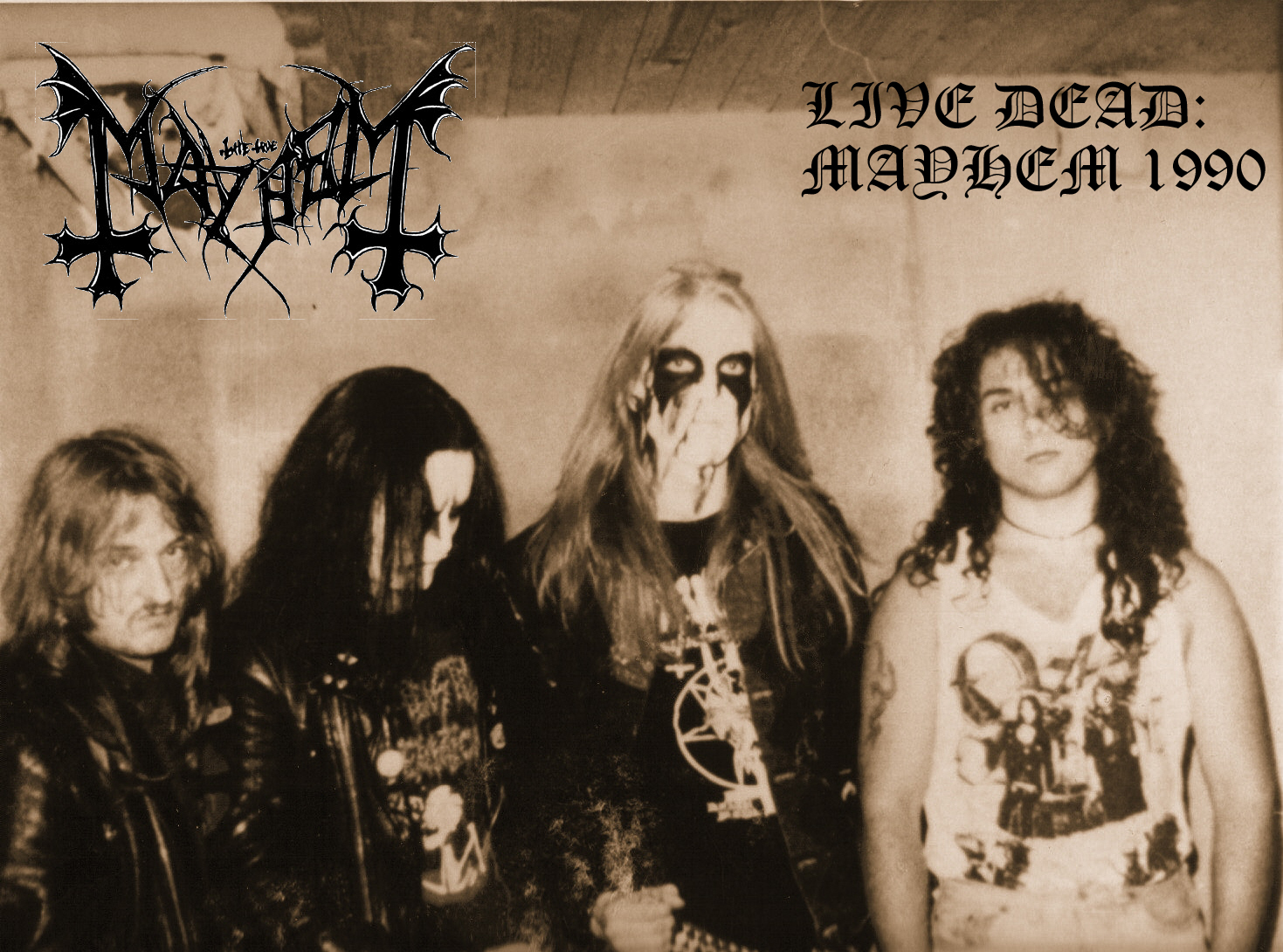
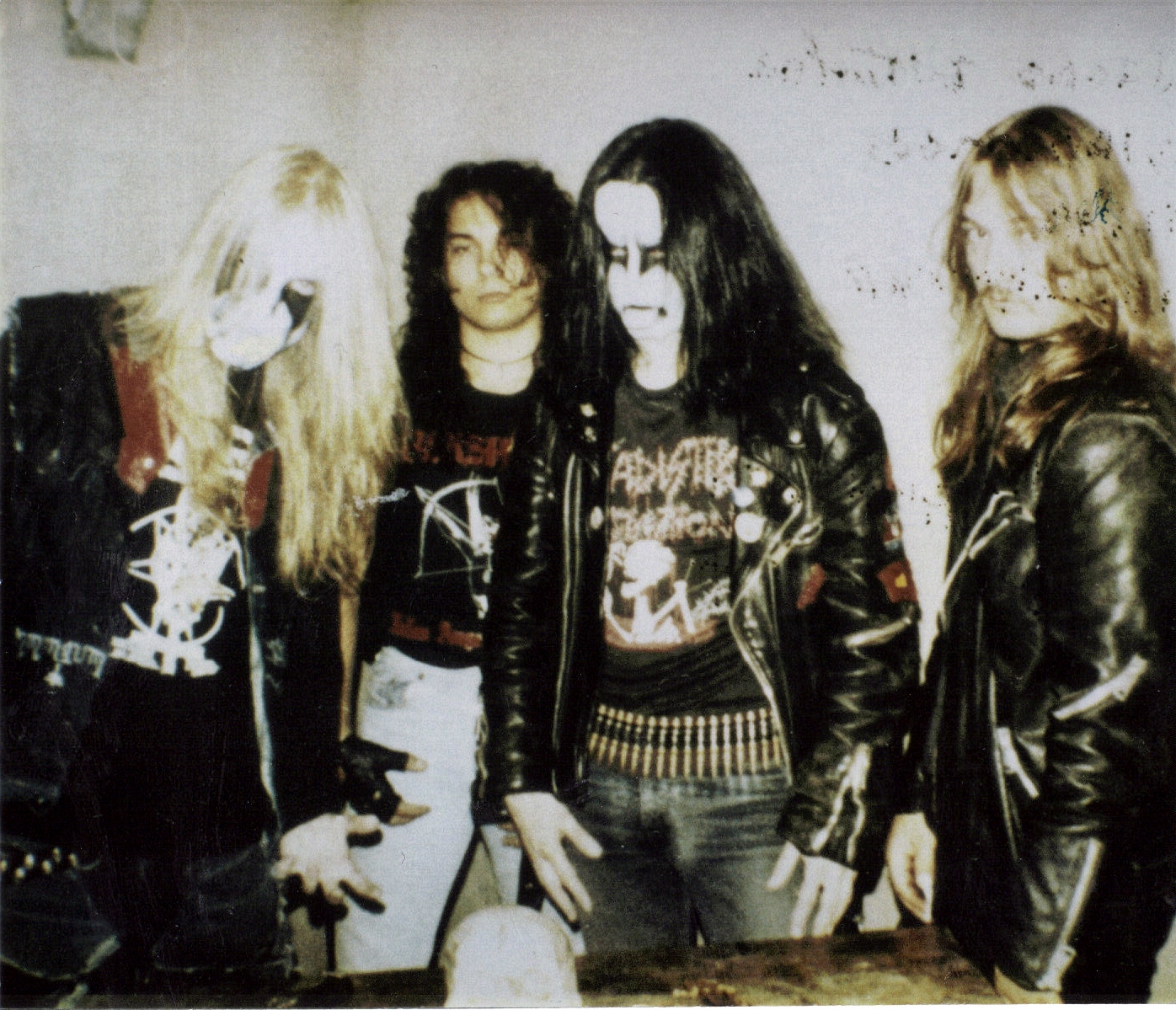
 Looking at the history of the notorious/famous/classic/tragic 1988-91 lineup of Norway’s black metal legends Mayhem (Dead [vocals] – Euronymous [guitar] – Necrobutcher [bass] – Hellhammer [drums]), the surprising thing about the band isn’t that that they did not manage to finish recording the album they were working on (De Mysteriis Dom Sathanas, eventually released in 1994 after the deaths of both Dead and Euronymous) but that they managed to achieve anything at all.
Famously broke, hungry and with little audience existing at that date for the kind of music they were making, the band nevertheless made a huge impact that lasts to this day. They professionally recorded only a few songs (notably Freezing Moon and Carnage, recorded in 1989, but not released as a single until years later when, again, literally half of the lineup on the record were dead) but their influence on their contemporaries was huge and they even managed the impressive feat of touring outside of Norway, albeit in a severely haphazard and underfunded way.
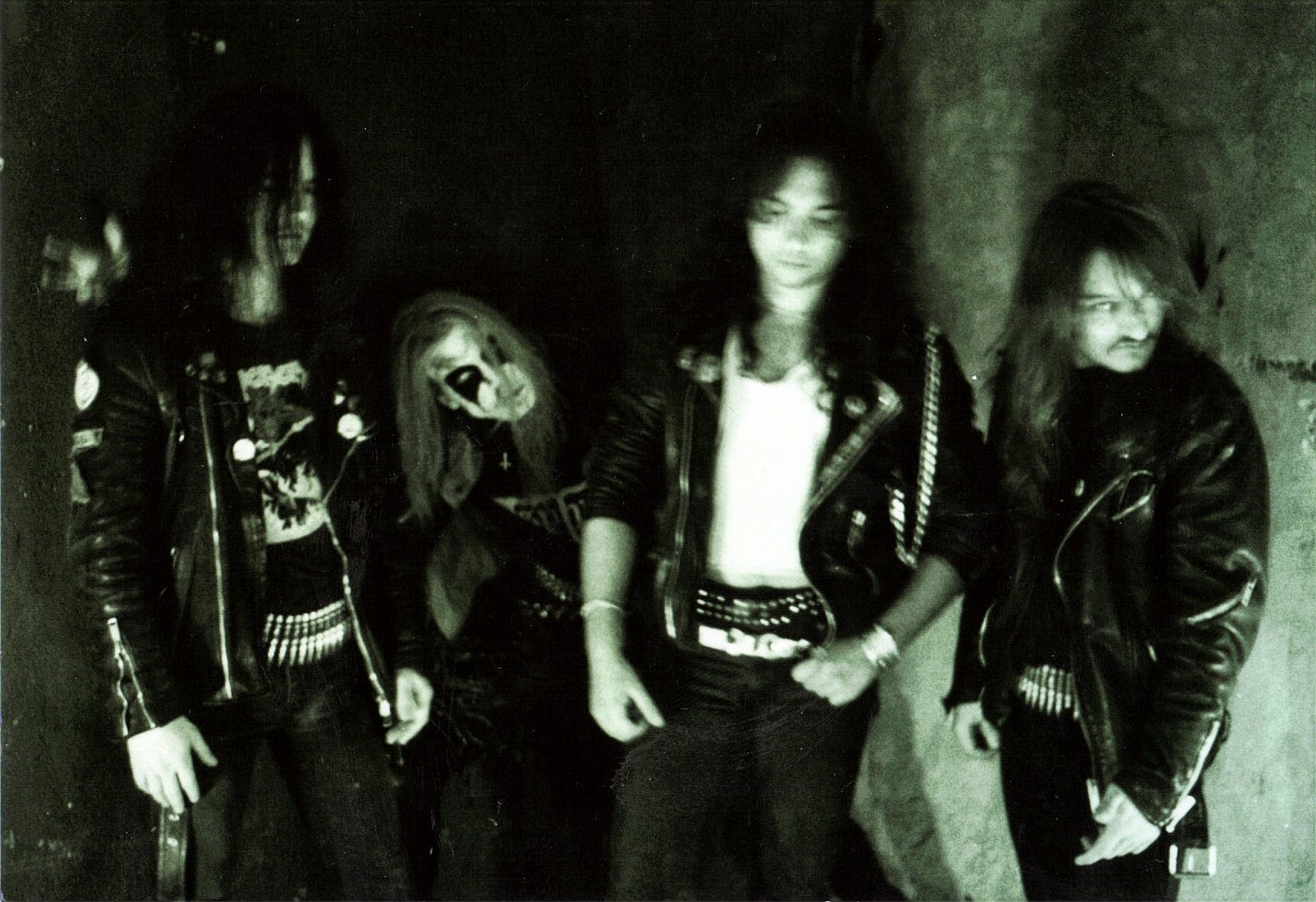
L-R Euronymous, Dead, Hellhammer, Necrobutcher
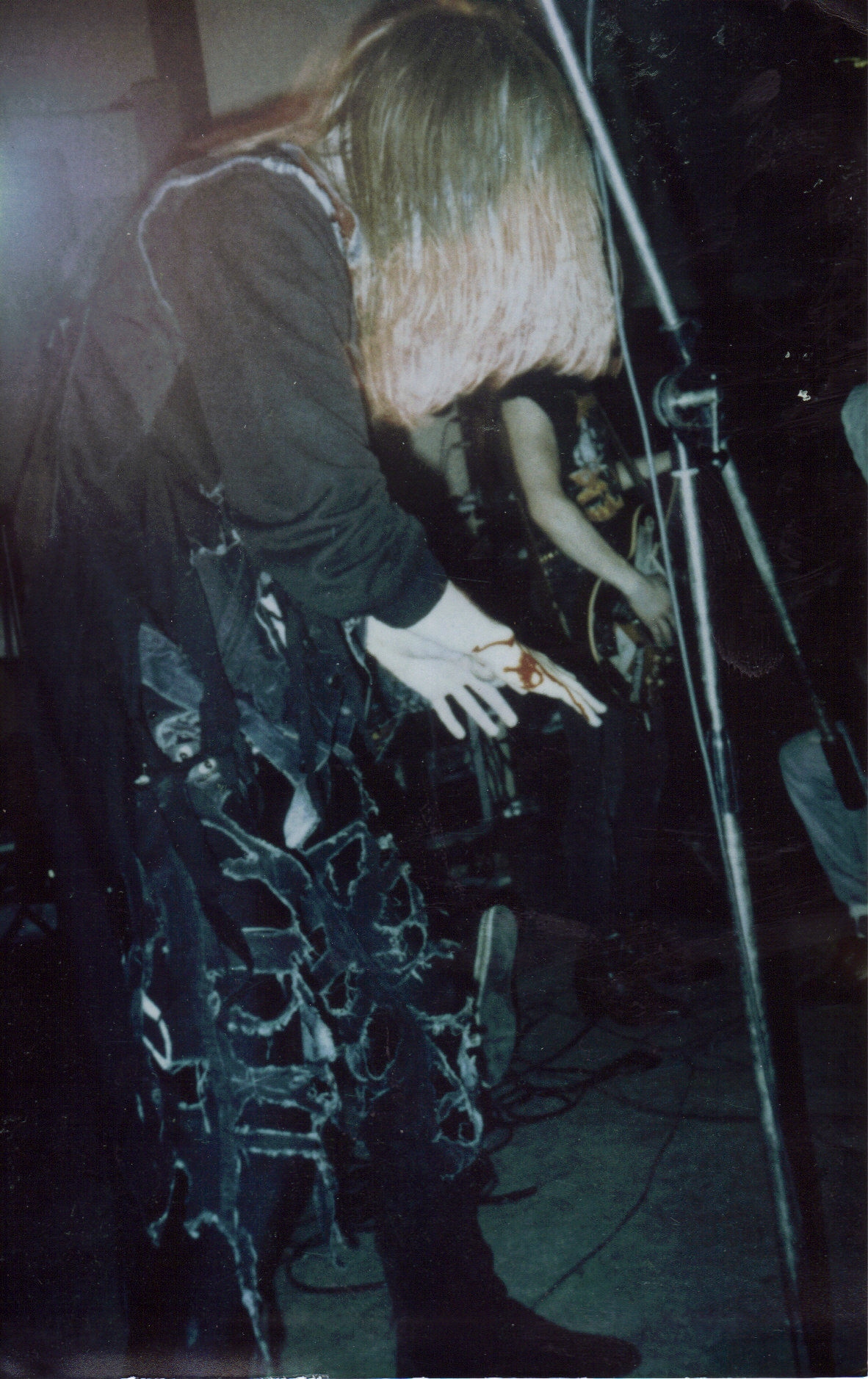
The band only played a handful of concerts, mostly around 1989-90, and luckily (and surprisingly) most of those were captured on tape for posterity, with varying degrees of technical skill.
The surviving concert recordings appropriately take place mostly in the cold of winter, (February and November, 1990) and give a picture of the band’s evolution from the rudimentary (if extreme) gore-obsessed black metal of their 80s demos, to the intense and atmospheric black metal that was to kick-start the musical style of the whole genre as it is now known.
The setlist for Mayhem’s shows throughout 1990 seems to have stayed more or less the same, although early favourite (and title track of their 1986 demo debut) Pure Fucking Armageddon was superceded by the vastly superior and more thoughtful new song Pagan Fears in the later shows. It is well-documented that Dead self-harmed during several, perhaps all of these shows, but (maybe luckily) the results are never audible, although there is at times a palpably intense and uncomfortable atmosphere.
The Great War: Live in Jessheim, February 3rd 1990
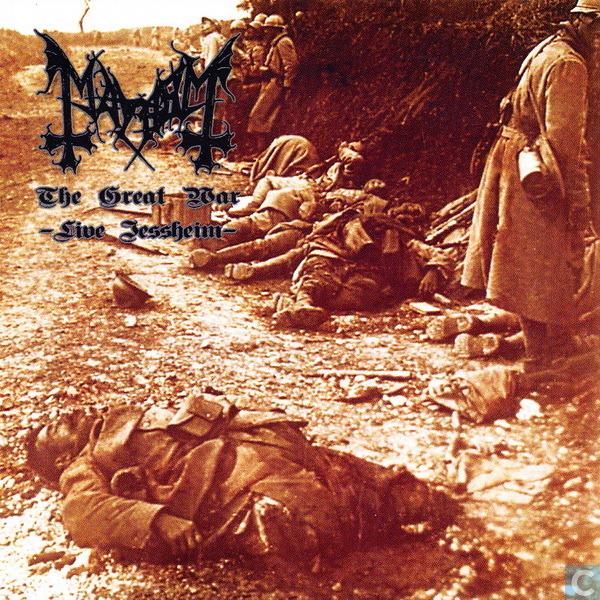 The first surviving concert recording (I think; I haven’t researched this as thoroughly as I intended to) seems to be a show in Jessheim, Norway from February of 1990, just over a year before this version of the band imploded with the suicide of Dead in April 1991. The recording is, to be charitable about it, not great; harsh, tinny and noisy. It does capture the enthusiasm the band still had at this point, although they were to become noticeably tighter by the end of the year.
1. Deathcrush
Despite a fair amount of surface hiss this is a very strong, gritty and listenable version of the old classic from the 1987 mini album of the same name. Dead roars a few times, but seemingly the only part of the lyric he knew this night was “Deathcrush!!” Pretty good nonetheless.
2. Necrolust
Lots of crowd noise and hiss make this a less satisfying listen as the music is a bit muffled and distant. Still, a pretty good version, as far as the bass and guitar (the most audible parts) are concerned and Euronymous’ solo is less tuneless than sometimes. Again, it seems like Dead only sings some of the lyric, but possibly it’s just that his vocals are lost in the surface noise. One of the more enthusiastic crowd reactions of this period though.
3. Funeral Fog
The crowd (or at least a couple of people) actually chants ‘Mayhem! Mayhem!’ before Hellhammer plays the blastbeat intro to Funeral Fog. A noisy, bad recording can’t hide the fact that the band are playing an excellent version of the song; Dead’s vocal is noticeably more engaged than on the earlier songs, and his delivery, deeper than usual, comes across surprisingly clearly. Euronymous’ guitar playing is excellent, intense and precise and the atmosphere of the classic ‘True Norwegian Black Metal’ comes across perfectly. The song ends in an eruption of feedback but the crowd reacts with enthusiasm.
4. Freezing Moon
Dead gives his usual intro (“When it’s cold and when it’s dark the freezing moon can obsess you” over whines of feedback before the band launches into a messy (at least poorly-recorded and hissy) but still powerful version of one of the all-time classic anthems of black metal. The band (especially Euronymous) plays a little less certainly than in later recordings and Dead’s vocals in the slower part are swamped by the guitars, but the atmosphere of the song still comes across effectively and the crowd reacts vocally.
5. Carnage
The crowd continues to chant and the band launches into an abortive version of Carnage that collapses just after Dead has shouted the opening line. There seems to be an issue with the guitar and Euronymous plays a few random chords before the band launches back into the song, playing an intense but messy version, made challenging to the listener by the poor quality of the recording.
6. Buried by Time and Dust
Dead’s usual semi-comprehensible intro leads into a false start where the band plays a bar or so before the song cuts off, then starts again. The recording makes it all a bit buzzing and monotonous but it’s still an undoubted advance on Carnage.
7. Chainsaw Gutsfuck
Dead barks the title and the band lurches into life, playing that simple yet ominous riff hard and heavy. As with the rest of this show, the volume of the guitars and level of hiss makes it a less than pleasant listening experience, but it was never supposed to be nice.
8. Pure Fucking Armageddon
More feedback and some tuning sounds take up the first few minutes of this highly chaotic version of the title track from the band’s first demo. The small audience chants and cheers, Dead finally announces the song and, after another false start and more chanting the band finally plays, extremely fast and loud but also tunelessly. Unless you like pure noise, this is pretty unpleasant, and the end is cut off, making it an unsatisfying version of one of their less impressive songs.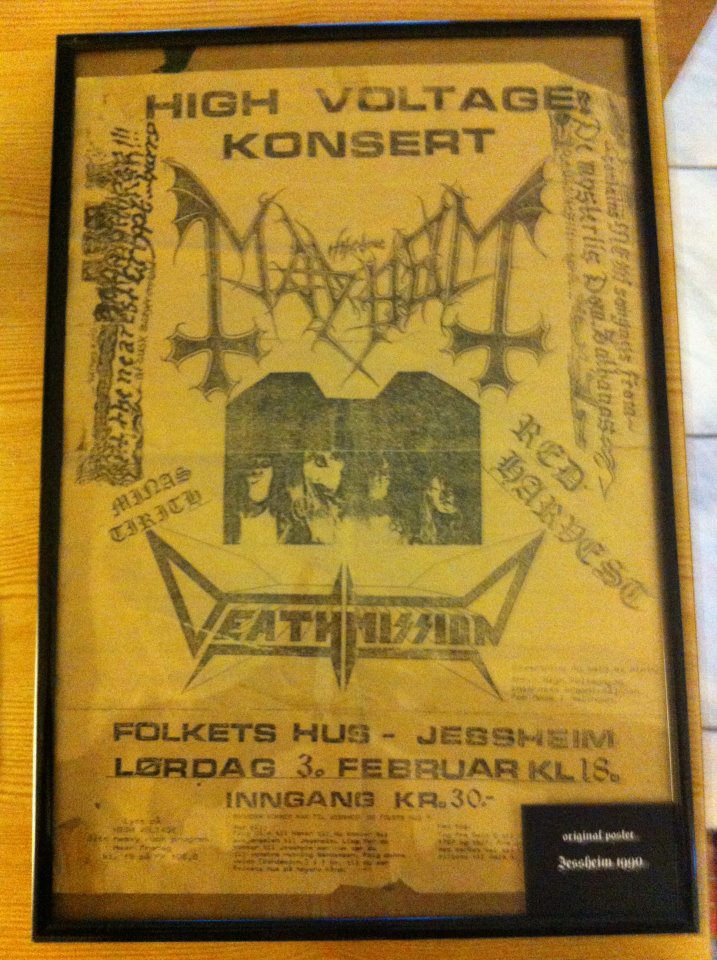
Dawn of the Black Hearts: Live in Sarpsborg, February 28th, 1990
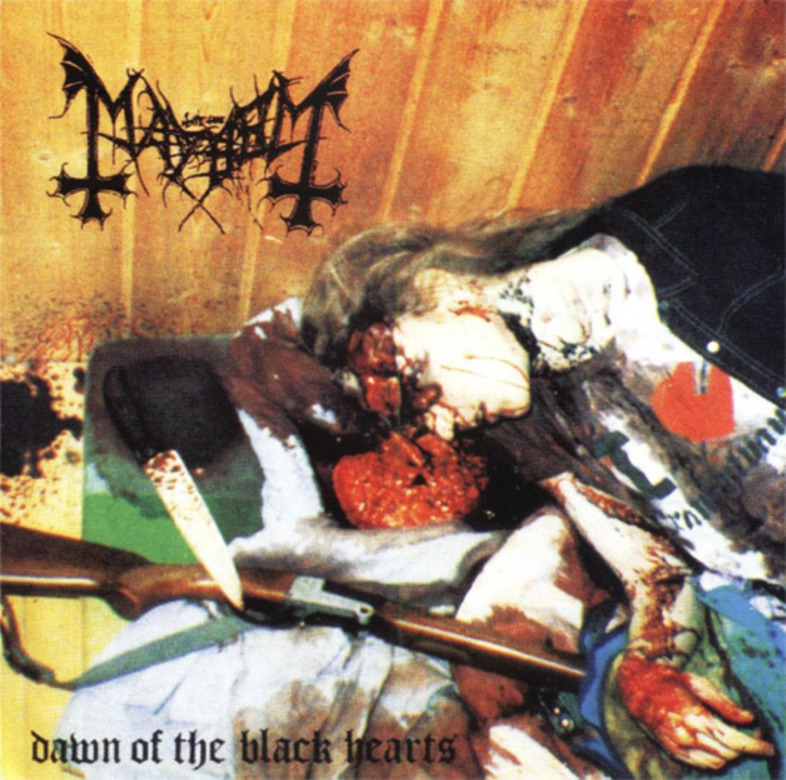
Probably the most famous of Mayhem bootlegs, Dawn of the Black Hearts has always enjoyed a kind of semi-official quality, since it features a photograph of the scene of Dead’s suicide taken by Euronymous and intended by him (you would think, somewhat unrealistically) as an album cover.
The photograph was presumably sent to Colombia by Euronymous himself, and in 1995, following the murder of the guitarist, the also late Mauricio “Bull Metal” Montoya used it as the cover of the original edition of the album on his Warmaster label, which also features some live tracks recorded by the previous Mayhem lineup in Ski in 1986. Incidentally, the title comes from lyrics written by Darkthrone’s Fenriz which includes an excellent reference to Satan’s “hooven clooves”.
1. Deathcrush
The slightly tinny quality makes this particularly feral version of the perennial Deathcrush a bit hard on the ears, but Dead’s shriek manages to equal Maniac’s unhinged performance on the original 1986 mini-album, no mean feat.
2. Necrolust
After a very short pause for whooping from the crowd, the band launches into a churning version of another venerable classic. The slow, stomping intro riff is more effective than the blasting passages, and Dead’s voice is a little lost in the noise (although he delivers his lines with an occasional hint of Celtic Frost-ish swagger). Star of the show is Hellhammer, who basically pummels the song to oblivion. The crowd sounds a little taken aback but approving, chattering and shouting good-humouredly through Euronymous’ guitar tuning before Hellhammer’s curt intro leads into…
3. Funeral Fog
The first song of the set to be penned by the lineup actually playing is noticeably superior to its predecessors, the blasting passages being both fast and relatively complex/melodic. Dead is audibly more enthusiastic and Eurnonymous’ guitar playing loses its sloppiness, playing the song’s intense interlocking riffs with speed and precision. The tremolo-picked riff following the verses is aggressive, atmospheric and completely definitive of the ‘second wave’ of black metal that the band was bringing into being. The reaction of the (presumably quite small) crowd is suitably enthusiastic.
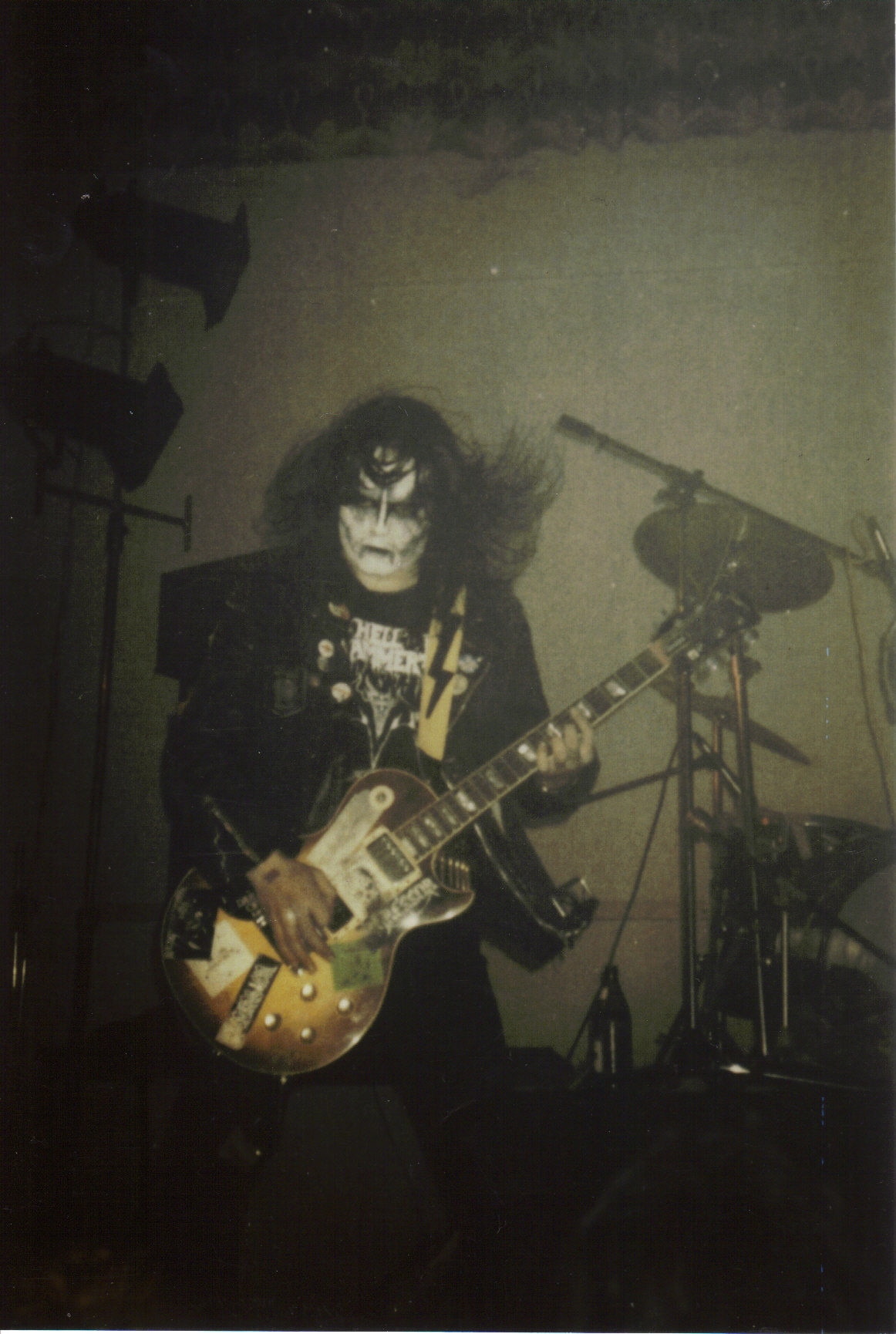
4. Freezing Moon
After Dead’s usual introduction the band is led into a slightly clumsy version of their signature tune by three cymbal crashes. Once the song gets going everything falls into place, but there seem to be some minor timing issues during the intro. Dead’s especially hoarse vocal is extremely effective during the slower passage, although the performance is derailed a little by Euronymous’ solo, which is basically the same as usual but seems to be in the wrong key.
5. Carnage
Back to the earliest years of the band for this messy, noisy blastfest. The band is fast and powerful but also more ordinary than in the preceding songs; Dead rasps, Euronymous plays a speedy would-be technical solo but it’s only in the thrash-toned lull before the last section that the song has much character.
6. Buried By Time and Dust
Another Dead-era classic, and the man himself delivers a highly theatrical monologue leading into the song, possibly his best delivered intro, although the band unfortunately doesn’t quite start when they should. When they do though, they play this, one of Mayhem’s most dramatic tunes, with intensity and precision. Only the trebly quality of the recording mars what is still an excellent performance, especially if the bass is boosted. The relatively poor sound quality does highlight how great Euronymous’ skeletal riffs are though. It also gets one of the more vocal responses from the crowd.
7. Chainsaw Gutsfuck
The monolithic intro to this sounds as good as always, but Dead’s vocals are buried in the noise, making the whole somewhat monotonous.
8. Pure Fucking Armageddon
Dead intones ‘Only death is real!’ a few times before the band storms into one of their earliest, but not best songs. Still, a rousing end to an intense show.
The album ends with the aforementioned live tracks from Ski (or Lillehammer, depending which sources are correct) from 1986, but the recording has comical speed issues typical of old concert tapes; – think Donald Duck on vocals.

Live in Gleisdorf (?) (date??) 1990
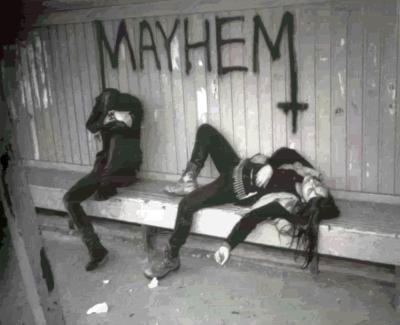 There is little information available (at least I haven’t been able to find much) concerning this concert, credited as taking place in Gleisdorf, Austria, but just as likely to be somewhere nearer to the band’s home. That said, the fact that the band seemingly ends the set with Pagan Fears suggests that it could have been part of the ‘mini-tour’ that visited various locations in the former East Germany in the later part of 1990.
A bootleg with the tracklisting below seems to be available, but I don’t have it, so I have only written about the bit I could find online. The nice thing is that it doesn’t seem to be one of the other recordings re-packaged in the usual bootleg manner, so whether or not it’s really from Gleisdorf, it does seem to be a different concert from the usual 2 or 3 that turn up.
1. Deathcrush
The recording is very poor indeed but reveals that the band plays the opening at a more relaxed pace than usual. It is played are noticeably more tightly than on the earlier recordings and Dead’s vocals sound more coherent, so despite the very poor quality of the recording it’s a surprisingly enjoyable version of this venerable tune.
2. Necrolust
3. Funeral Fog
4. Freezing Moon
5. Carnage
6. Buried by Time and Dust
7. Chainsaw Gutsfuck
8. Pagan Fears
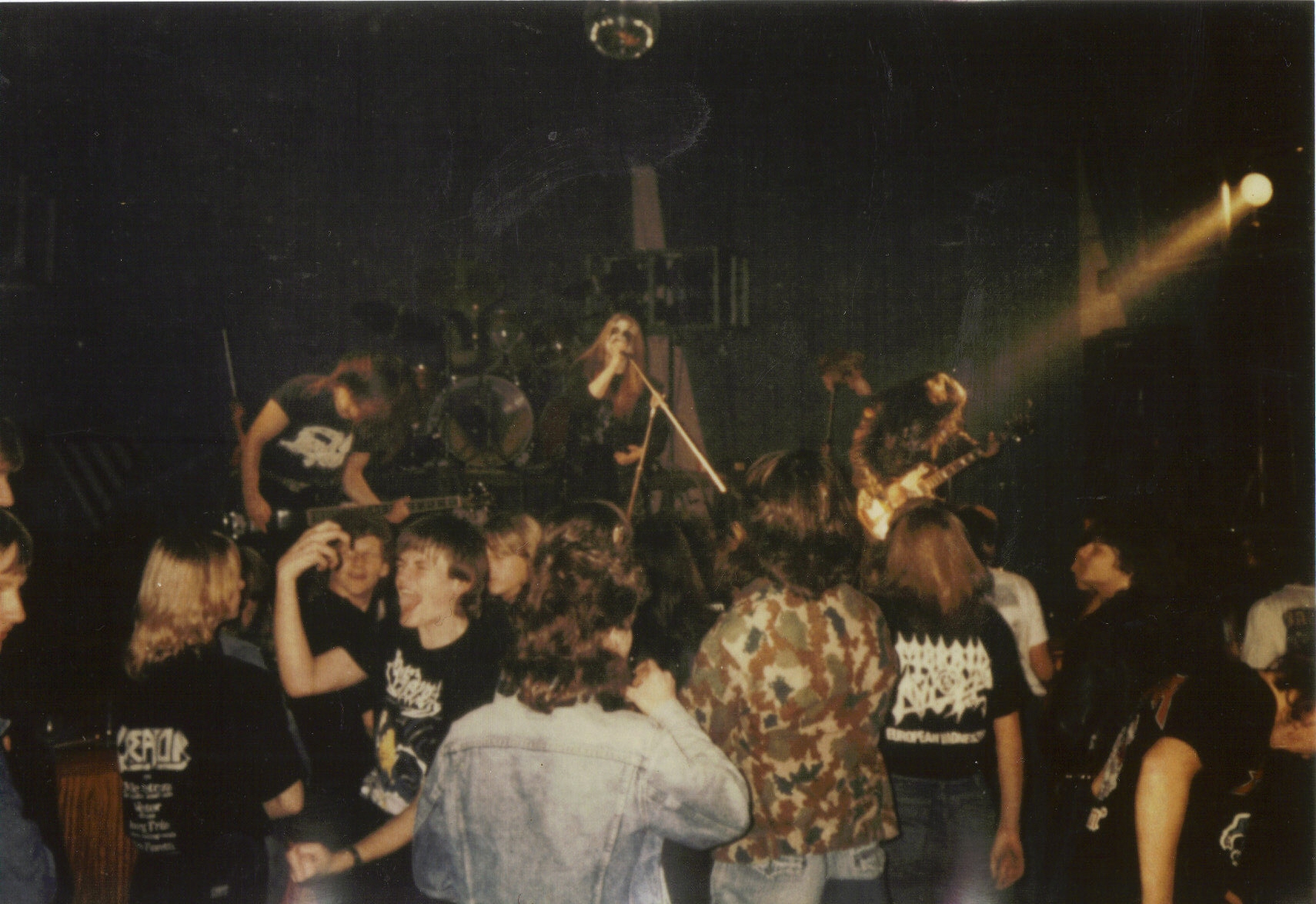
War and Sodomy: Live in Zeitz, November 24th, 1990
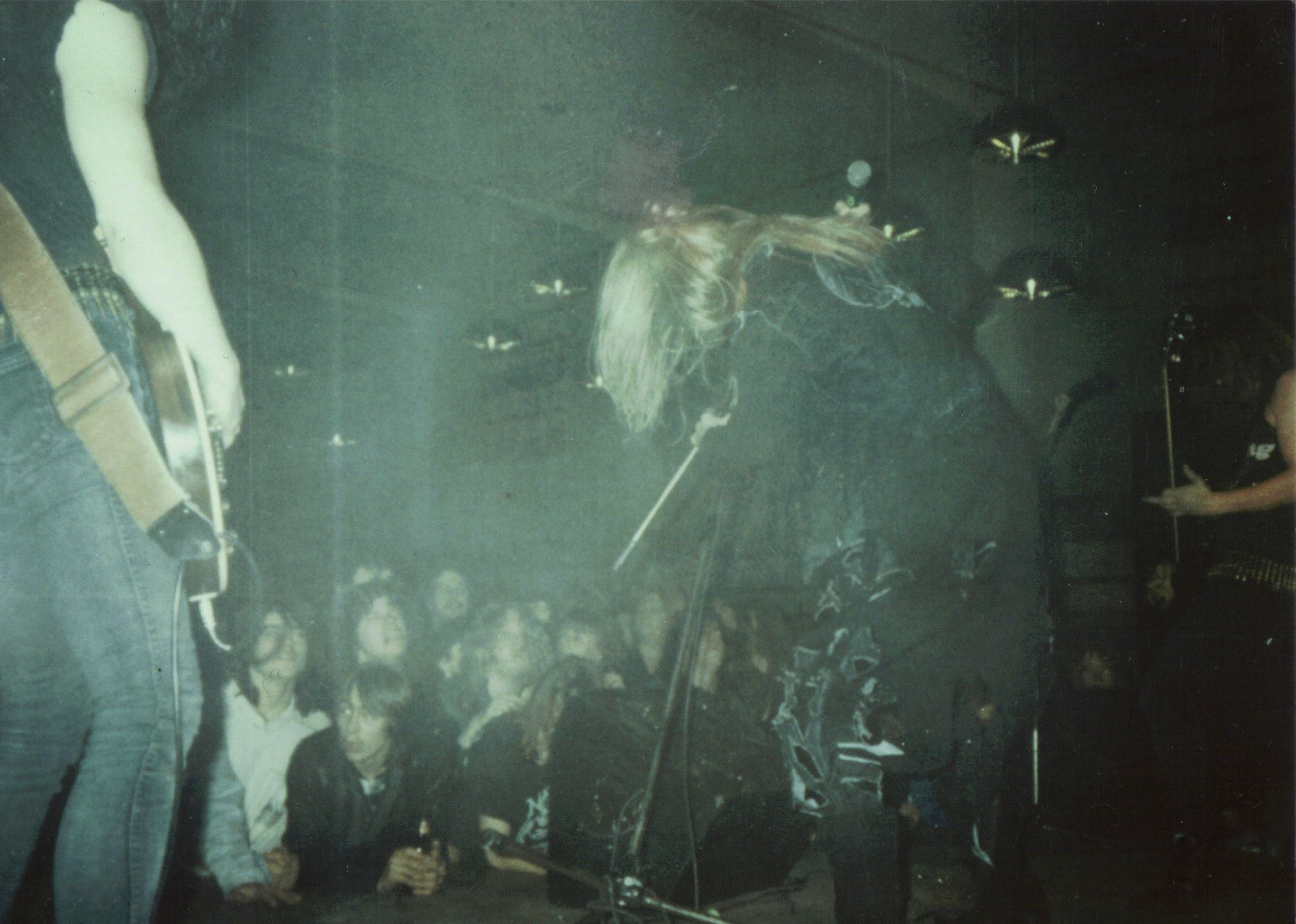
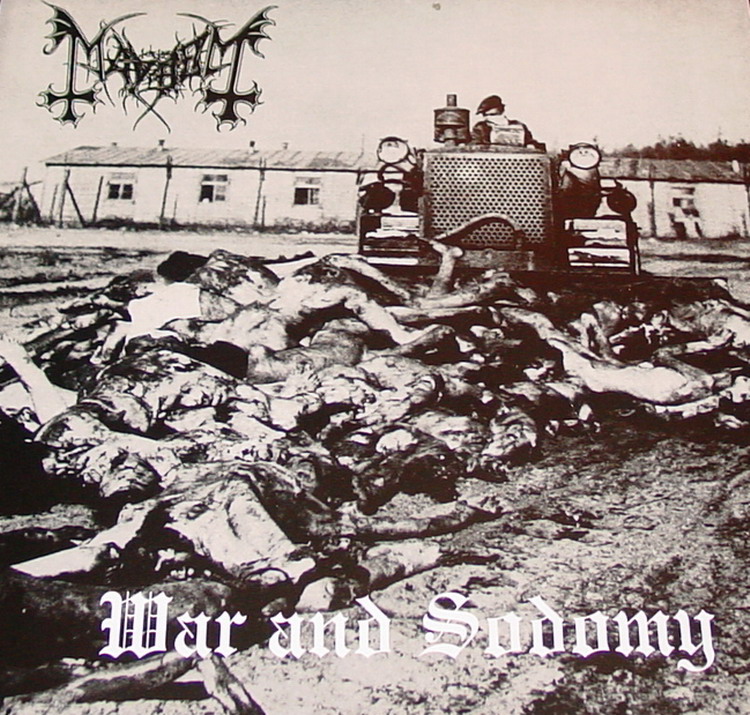 Also known simply as ‘Live in Zeitz -1990’, War and Sodomy is a better quality recording than the more famous Dawn of the Black Hearts, with the band tighter and more muscular sounding than before and with a more gritty substantial sound, although the vocals are occasionally lost in the (lack of) mix.
The recording was made during the band’s troubled mini-tour mentioned above, which took them to the former East Germany, although concerts further afield were also planned. The setlist had now become equally split between older material and the newly-written songs, giving it more of the ‘true Norwegian black metal’ sound.
1. Deathcrush
The murky sound of this concert begins with some semi-incoherent growling from Dead, but once the music starts the sound is reasonably clear and less harsh than sometimes. The band sounds powerful and better-rehearsed than on earlier concert recordings but unfortunately Dead’s vocals are a little quiet and echoey.
2. Necrolust
The deeper sound gives the intro a particularly ominous quality but once the blastbeats begin it’s all a bit of a blur. Not the worst version, but Dead’s vocals are mainly an incomprehensible croaking noise.
3. Funeral Fog
One of the highlights of the show, even with the dulled top end the atmosphere and power of the song comes across brilliantly, Euronymous’ haunting melody cutting through the swimming-pool acoustics. Dead is still (appropriately) a little lost in the wall of sound, but his despairing croak surfaces from time to time.
4. Freezing Moon
A very slightly different intro from the usual (Dead rasps ‘when it’s cold & when it’s dark’ rather than the other way round) leads into a towering version of the classic Freezing Moon, second only to that on Live in Leipzig. Euronymous’ solo is almost the same as there but not quite as good. Otherwise this is pretty much perfect, Dead’s voice is harsher and deeper than usual but clear and comprehensible.
5. Carnage
A good version of the song, but like much of the earlier material, Carnage was starting to sound a little tired compared with the newer material. Euronymous livens it up with some rather screechy soloing but although full of energy and aggression it isn’t a highlight.
6. Buried by Time and Dust
Dead’s somewhat garbled introductory statement seems shorter than usual but the band plays the song with authority and intensity. Again, the vocals are a little lost in the sound (especially towards the end when there is some very squealing feedback) but overall a strong version.
7. Chainsaw Gutsfuck
Again sounding a little pedestrian compared to their more recent material, this is a pretty good version of the Deathcrush classic, with the vocals clearer than on most of the songs here and some nice playing by Euronymous.
8. Pagan Fears
At the beginning of the year the band had still been ending their shows with the venerable Pure Fucking Armageddon, but it was replaced in later shows by the mighty Pagan Fears, one of the best tracks written by this lineup of the band. The band is tight and focussed and Euronymous plays the intense riffs perfectly. The recording is somewhat detached from the rest of the album, the intro and applause are cut off, robbing the show of some of its atmosphere, but it’s worth remembering that these recordings were never intended for the CD format so it’s possibly just to do with the mundane reality of turning the tape over to continue recording.
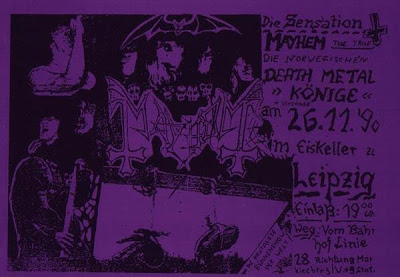
Live in Leipzig: November 26th, 1990 (Eiskeller Club)
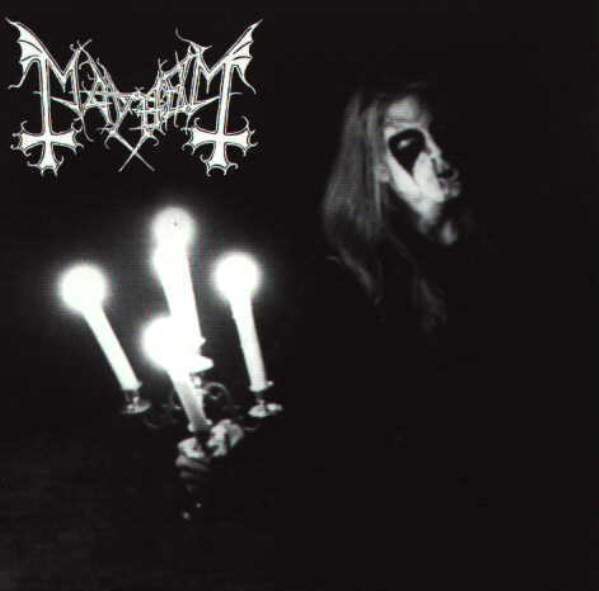
The only official live album featuring Dead and the best of these by far, Live In Leipzig, despite many rough edges, captures the band at its best, delivering definitive versions of many of their songs. Interestingly, the setlist here combines all of the songs they had been playing throughout the year (it may just be that this is the only complete show), making it the perfect live document of the era.
1. Deathcrush
As on the ‘Gleisdorf’ version, the band leads into this version of Deathcrush slower than usual before reaching the usual blasting tempo. After all the previous bootlegs it is extremely refreshing to hear Dead loud and in the foreground and with all instruments audible behind him and little surface noise.
2. Necrolust
A solid, brutal version of Necrolust gets a slightly muted response from the crowd, to Necrobutcher’s audible exasperation. His shouted ‘Come on Leipzig! is a rare occurrence for a band who – at this period – tended to stick to minimal, scripted* interaction with the audience.
* possibly not actually scripted, but Dead does seem to have worked out three or four standard monologues for live performances
3. Funeral Fog
As if to shake the audience out of it’s torpor, the band launches into perhaps the best ever version of Funeral Fog. The band’s (and especially Euronymous’) playing is precise and aggressive and Dead delivers his peculiar but seemingly heartfelt lyric about a deadly mist in the Carpathian mountains with throat-ripping intensity. Euronymous’ tremolo-picked melody is one of the highlights of early 90s black metal. The crowd finally reacts with some excitement and Dead delivers his introductory monologue to…
4. The Freezing Moon
The band plays the classic intro at a deliberate, powerful pace before leading into perhaps the definitive version of their most famous tune. Euronymous’ solo is as peculiar as ever, but more inspired and less off-key. Arguably superior to the drum-heavy studio version this lineup also recorded (see above), this is one of the milestones of the band’s career. The audience sounds relatively enthusiastic, but not enough for Dead, who chides them before the band leads into a pummelling version of…
5. Carnage
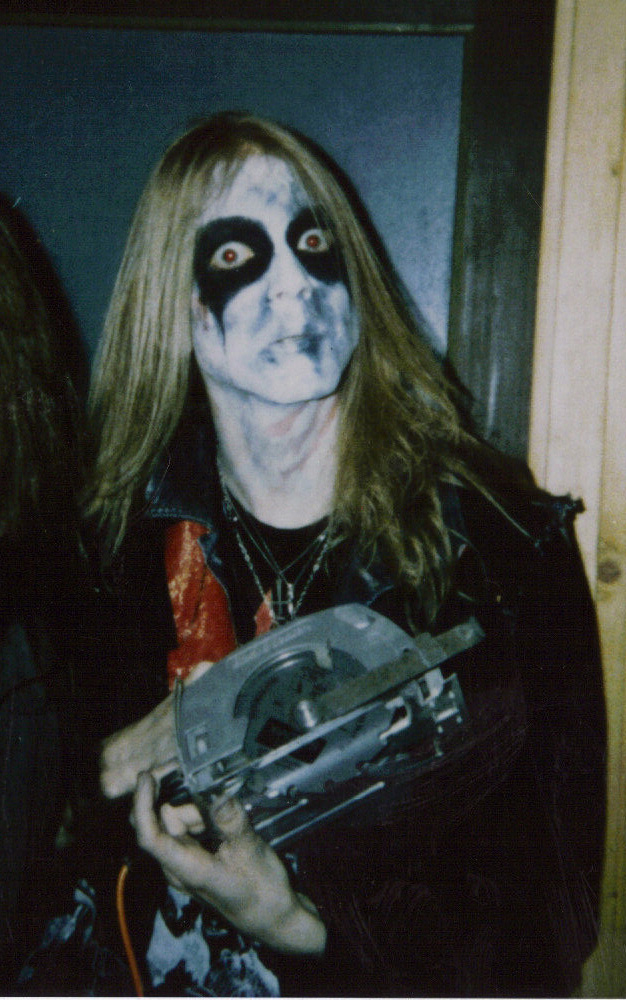
A fast, precise version of this older song (presumably one the band were still particularly fond of, it is one of only two songs that Dead recorded in the studio.) It’s a strong performance but not their best song, despite Euronymous adding some more modern black metal touches to his guitar parts.
6. Buried by Time and Dust
Feedback somewhat spoils Dead’s introductory speech and the band launches into a good, extremely fast version of this classic with very precise guitar playing but a slightly rattling drum sound compared to most of the album.
7. Pagan Fears
Without doubt one of the best black metal songs of the era, this version of Pagan Fears falters slightly after the intro as Euronymous seems to get slightly lost in the timing of the brief slow section. As soon as the song launches into the first verse though, it picks up, becoming one of the highlights of the set. Dead’s rasping delivery makes the most of one of his best, most enigmatic lyrics.
8. Chainsaw Gutsfuck
Anticlimactic after Pagan Fears, the intro to Chainsaw Gutsfuck is nevertheless as powerful as ever, but the song just sounds a little too primitive compared to its predecessor. A good version though, prowling and sinister, but although Dead delivers the lyrics as well as anyone could, their crudely ‘shocking’ quality seems hopelessly ineffective after the mysterious atmospheric allusiveness of Pagan Fears. After much subdued but good-humoured crowd noise, during which Dead (or Necrobutcher?) exhorts the crowd to join them, the band finally plays…
9. Pure Fucking Armageddon
Probably the best, most intense version of the song, this is heavier and more riff-oriented than usual, although Euronymous does play a seemingly improvised and very messy solo. Disappointingly, the song fades out just as it ends, with no real sense of the crowd’s reaction, a slightly bathetic end to an iconic release.
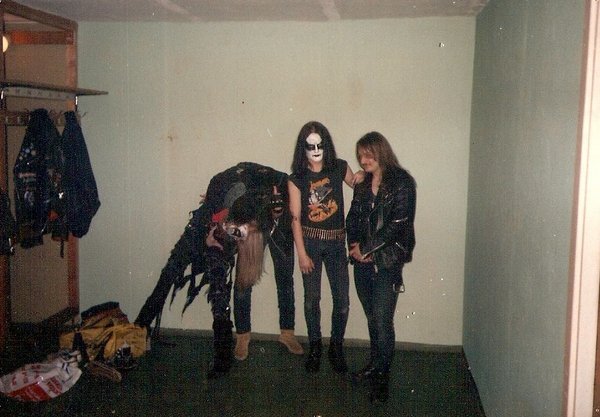
As far as Mayhem’s recorded legacy in concerned, Live at Leipzig marks the end of an era. Within six months of the concert, Dead had committed suicide, after which Necrobutcher quit the band and this version of Mayhem came to an end. Although it almost certainly didn’t feel like it at the time, they had actually achieved quite a lot for a bunch of weird kids from what was then not a country known for its heavy music.
Within a couple of years, Euronymous too was dead, and the classic Mayhem was no more. Subsequent lineups have made important contributions to the black metal genre and the band endures to this day, but the mystique that draws people to the band still belongs to those early years which, it shouldn’t be forgotten were about music as much as anything else.
 Dead (Pelle Ohlin) & Euronymous (Øystein Aarseth) RIP
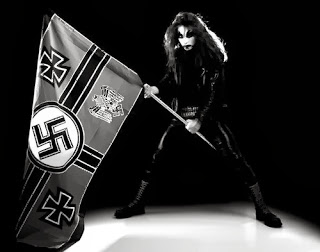
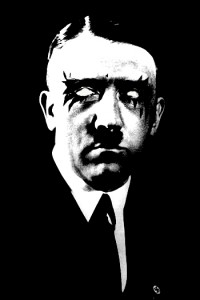 It’s not National, to my knowledge it’s rarely socialist, but it mostly is black metal; National Socialist Black Metal (hereafter, NSBM) annoys people by being ‘too evil’, or at least evil in the wrong way. As the snuff movie is to the horror movie, it seems, NSBM is to BM. There are a couple of flaws in this analogy; firstly, it suggests that black metal in general is, like horror movies, some kind of fantasy (which it certainly often is, but isn’t necessarily) and secondly, that NSBM isn’t some kind of fantasy (see previous parentheses). The Nazis of World War 2 represent the ‘ultimate evil’ to people of the post-war generations because whereas even the worst serial killers of the 20th century ‘worked’ on an individual, localised scale, the Nazis made murder into an ideology and ultimately an industry. That is, they functioned in ways that are relevant and relate-able to the daily lives and experiences of most people; but in bringing that mundane quality to extermination; ‘death factories’ they ultimately created something more frightening than a lone maniac. So is Nazi black metal the embodiment of that famously banal evil and therefore the ultimate in musical terrorism? Hmm, possibly not but let’s see…