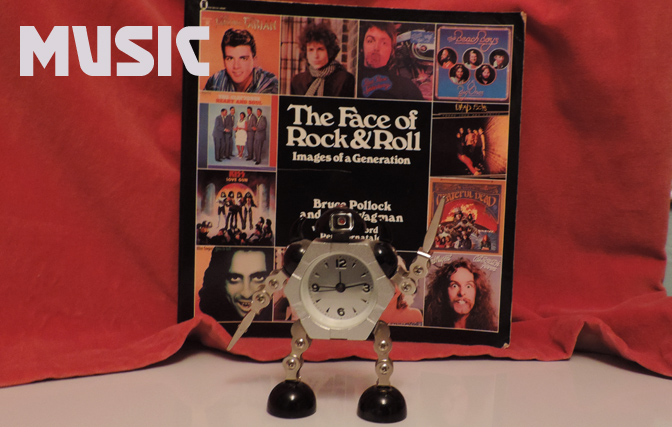
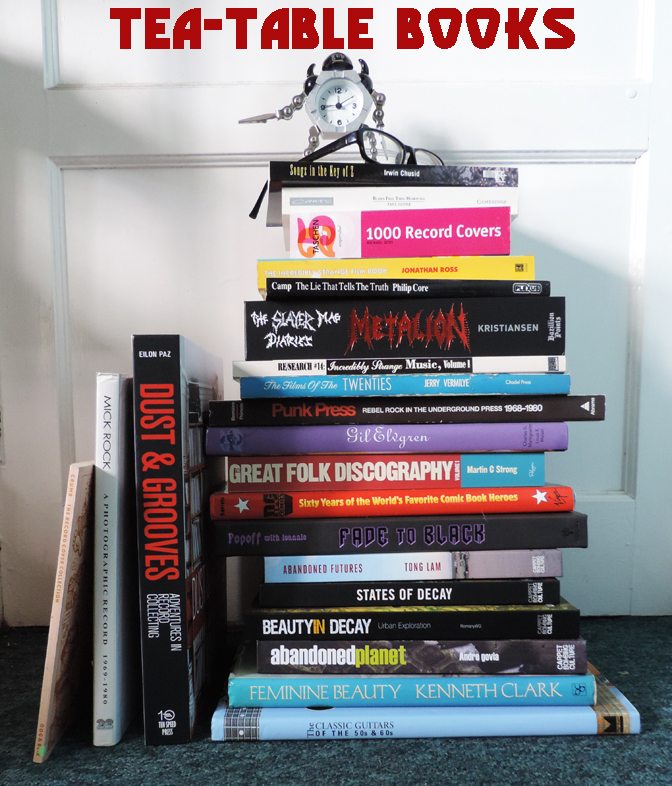
Tea-table* books is an occasional series devoted to the best books for casually enjoying while relaxing with a hot beverage. Usually large format and illustrated (yes, just like ‘coffee table books’), the best tea-table books are of course just as good when read from cover-to-cover, but their real charm is their ‘dip-into-able’ quality. But enough preamble: onto this particular example –
*don’t like coffee
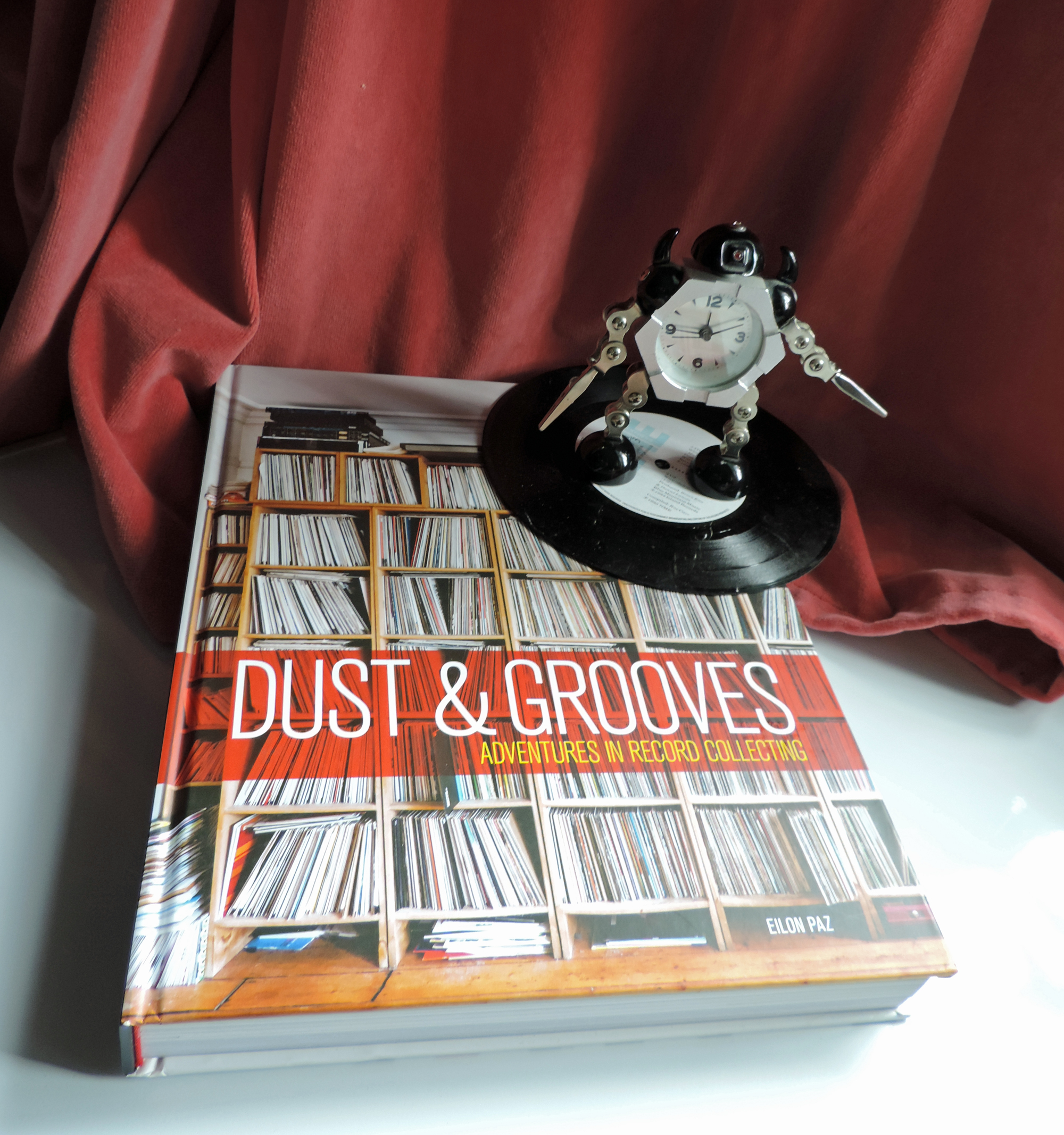
Dust & Grooves: Adventures in Record Collecting by Eilon Paz (Ten Speed Press, 2015)
As fans of the excellent website Dust & Grooves will know, photographer Eilon Paz is fascinated with record collectors and their collections. The site grows ever bigger, and is a home to some great journalism as well as hundreds of beautiful photographs, but there’s still something special about this book. Necessarily more focussed than the site, if not exactly more portable (enjoyably big and heavy) it’s pretty simple: Paz photographs collectors in their record rooms, surrounded by their vinyl and (along with various writers) talks to them about the music they love and how they collect it. In the second part of the book there are great in-depth interviews with some serious collectors, including Sheila Burgel, Rich Medina, Gilles Peterson, Questlove and Jonny Trunk, among others.
The photographs are beautiful in themselves and are both revealing and extremely tantalising to pore over; what are all those other records on the shelves? What does a launeddas sound like? (the internet can help with that; pretty cool as it turns out.) The people and their stories are hugely interesting and it’s nice that, whatever one’s own musical interests are, the people collecting country or hi-life records (or indeed Sesame Street ones) are just as fascinating as those whose albums and 45s one covets. Record collectors are interesting because people are interesting and music is interesting; and there are always more records to hear and more people to meet, so it is (hopefully) a very repeatable formula. Taste is a strange, illogical thing (I have a vast, unfinished article for this very blog that has so far failed to illustrate that point adequately, but may appear here eventually) and as the stories in this book reveal, for most collectors music has been a journey from one particular passion or field of interest to many, often barely related ones.
Though not a serious collector myself (more an unfocussed accumulator) this is a book that makes me want to collect records. And listen to them of course; it’s heartening that of the collectors in this book,all are first and foremost fans of the music they collect and not collectors and cataloguers of mere (if they are mere) objects. So yes, it’s a good book.
 At first, Sweatshop feels more like one of Peter Bagge’s more lightweight, knockabout strips like Batboy or Studs Kirby, and compared to the brilliant Woman Rebel it is, but there’s more substance to the characters in Sweatshop than you’d think. This is perhaps because the situation (a group of ambitious young cartoonists working for a grouchy, reactionary, but famous old cartoonist to produce his well-known but trivial newspaper strip) is one close to the hearts of Bagge and his own team of artists. It’s funny and silly, but also well plotted and with some sharp observations about the world of cartooning as well as human relationships etc; a good book in fact.
 The selection I have was collected by
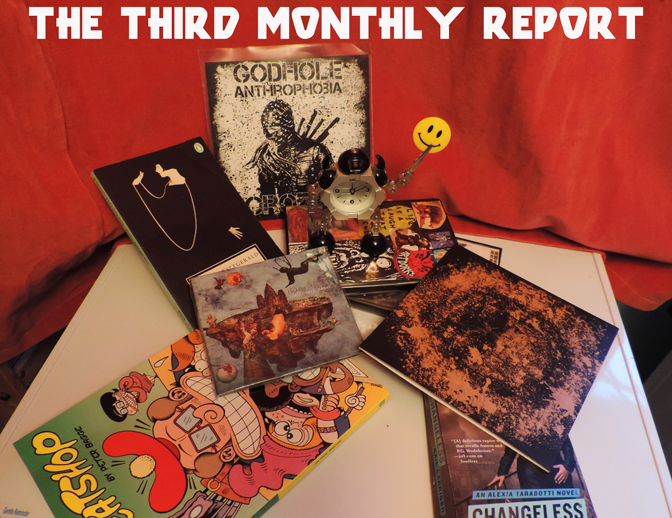
  I had already heard both of these great releases but when I saw that Mind Ripper were selling them on vinyl 7″s ridiculously inexpensively. Anthrophobia is a brilliant meeting of two very different musical personalities, with Godhole’s intensely emotive and strangely catchy powerviolence being distorted almost to the point of non-music by Crozier’s harsh noise; it’s bracing and not at all pretty, but it has a real impact and is worryingly addictive. The same is true of the Godhole EP, although it is relatively more disciplined insofar as it sounds like a band, rather than a catastrophic nightmare.
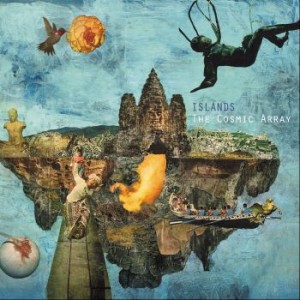 For 99% of the time, a complete contrast with the above (though the second half of Drones is surprisingly noisy and atonal), I was especially impressed by the forthcoming Cosmic Array album because I didn’t expect to like it at all. “Alt country/Americana”, ‘immersive and cinematic’ or not, is not really my thing* but in fact this album brings together a beautifully peculiar space-age melancholy that has (to me) hints of the Flaming Lips, Spacemen 3, My Little Airport and even the BMX Bandits and a sound that is a hybrid of UK indie and alt country (Fire Up The Sky is, strangely, almost shoegaze-alt country; actually, Moose’s XYZ was a great shoegaze/Americana album, so maybe not so strange?). Anyway; the songs are catchy and nice, Paul Battenbough and Abby Sohn are really good, expressive vocalists and it really is a big, widescreen cinematic sound as advertised; so put aside anti-country prejudices (if like me you have them) and give it a listen.

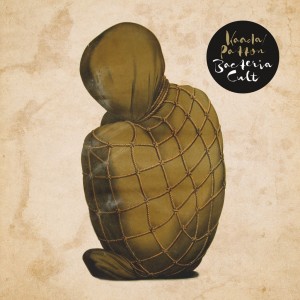 The third collaboration between Mike Patton and John Erika Kaada is, despite the ominous title, an extremely wide ranging and often light-toned (if moody, in the film-soundtrack sense) collection of dramatic and sometimes operatic (but not always melodramatic) pieces, ranging from the strangely Tom Waits-like Papillon to the Morricone-ish Black Albino. It’s a perfectly judged album, Mike Patton’s voice(s) interweaving with the orchestra to create individual pieces that are at the same time short and vast;too involving to be ‘background music’ it really does sound like an epic soundtrack in search of who knows what kind of film.
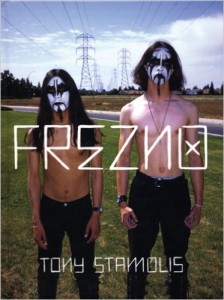
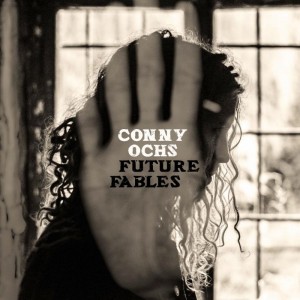
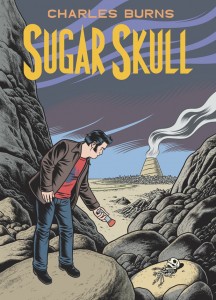




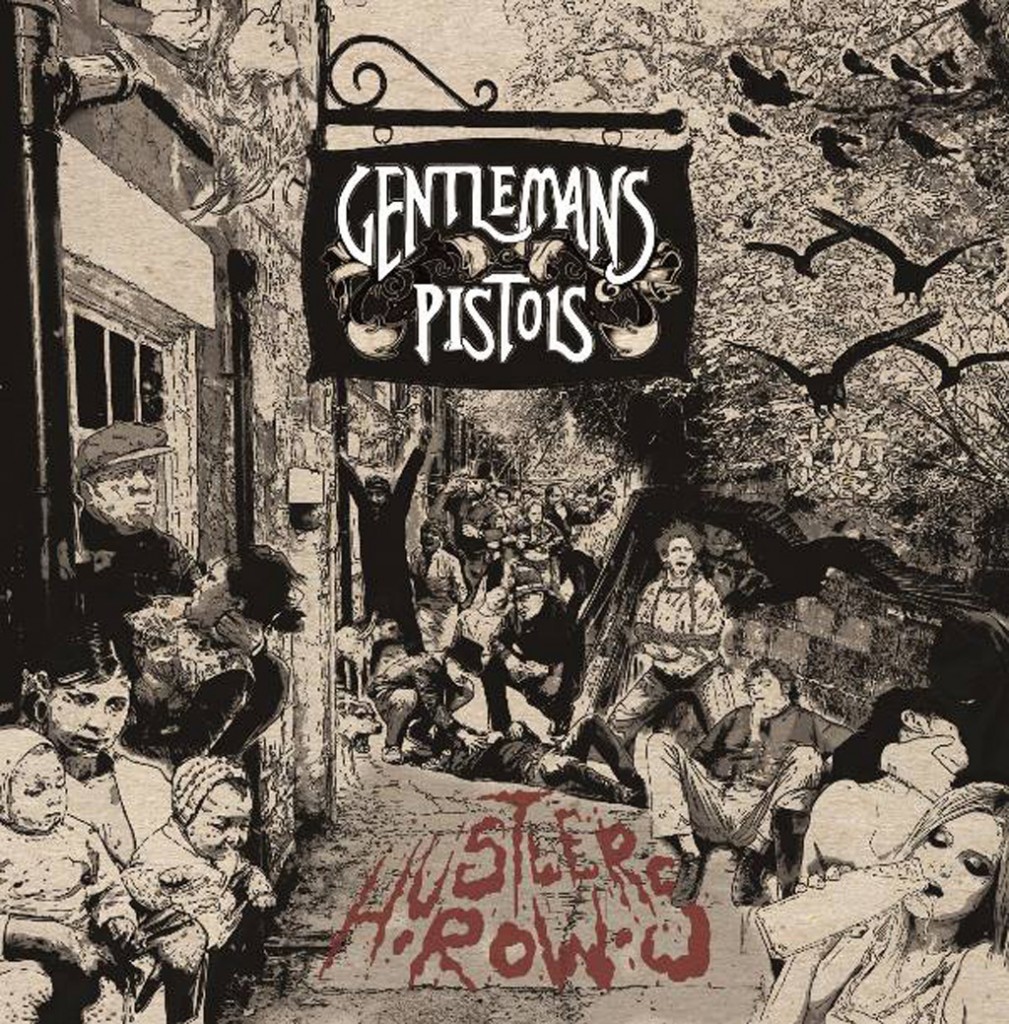 ‘Retro’ without being an exercise in pure nostalgia, Hustler’s Row was that rare ’70s hard rock’ styled album that doesn’t feel like its trying to be any band other than themselves; and most importantly, the songs are up to the standard of those bands that lesser artists try so hard to emulate.
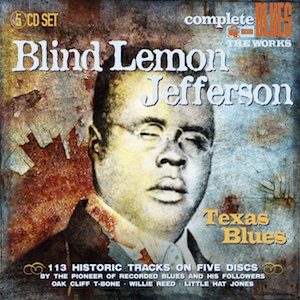
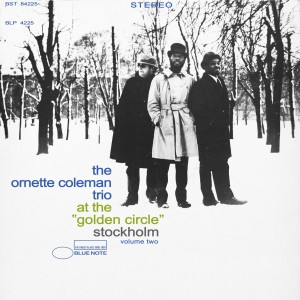
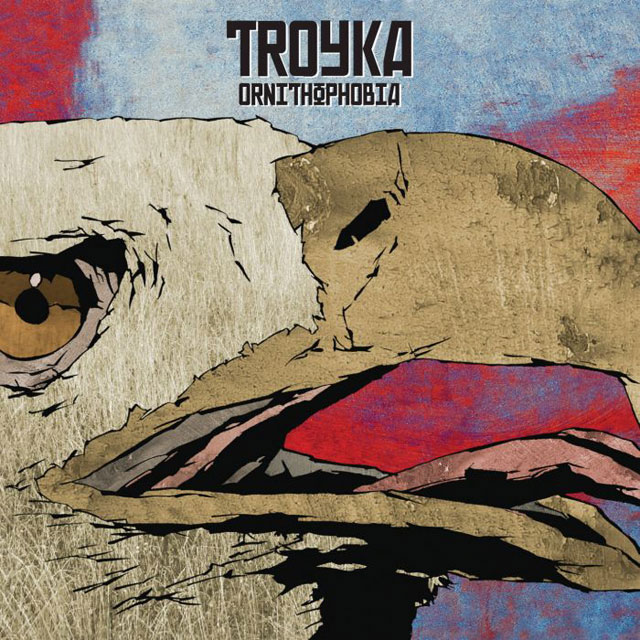 Tricky, angular and unfunky jazz that is the opposite of background muzak; unless you want to feel perturbed. Not at all relaxing, not exactly exhilarating, but strangely addictive.
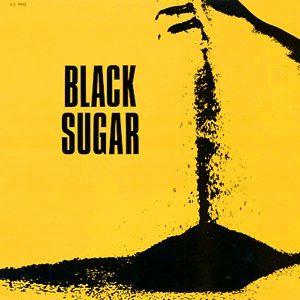
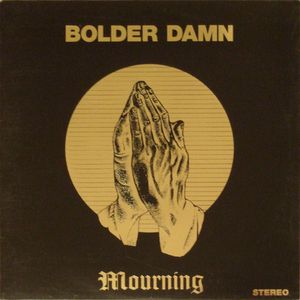 First proper issue of this 1971 Florida obscurity; songs are ‘fine’ rather than great, but really its appeal is all about Blue Cheer-inspired, Grand Funk-flavoured heavy hippy fuzz and period atmosphere.
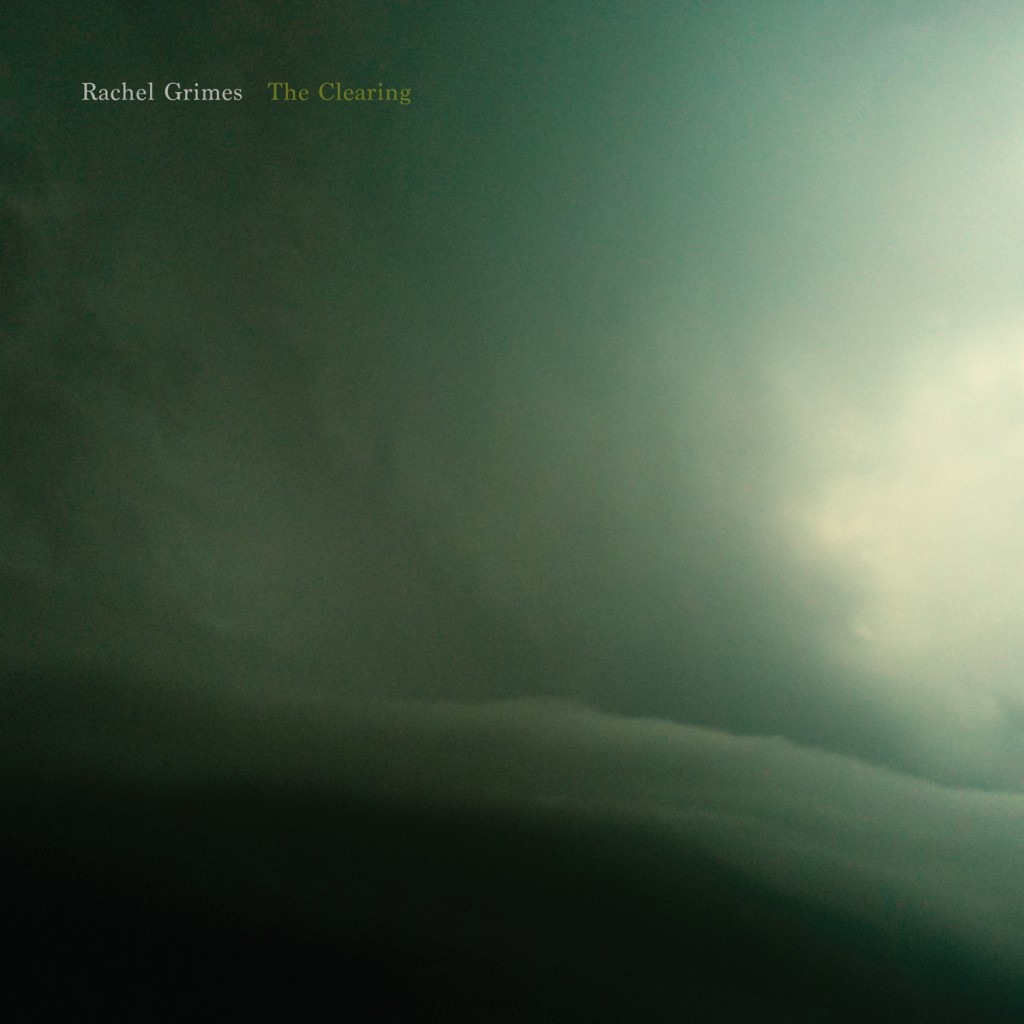 Ominous, brooding and sometimes awkward chamber music; initially it felt a bit perfunctory, but then kept recurring in my head after I thought I’d forgotten all about it in a way that felt significant. And it grew from there
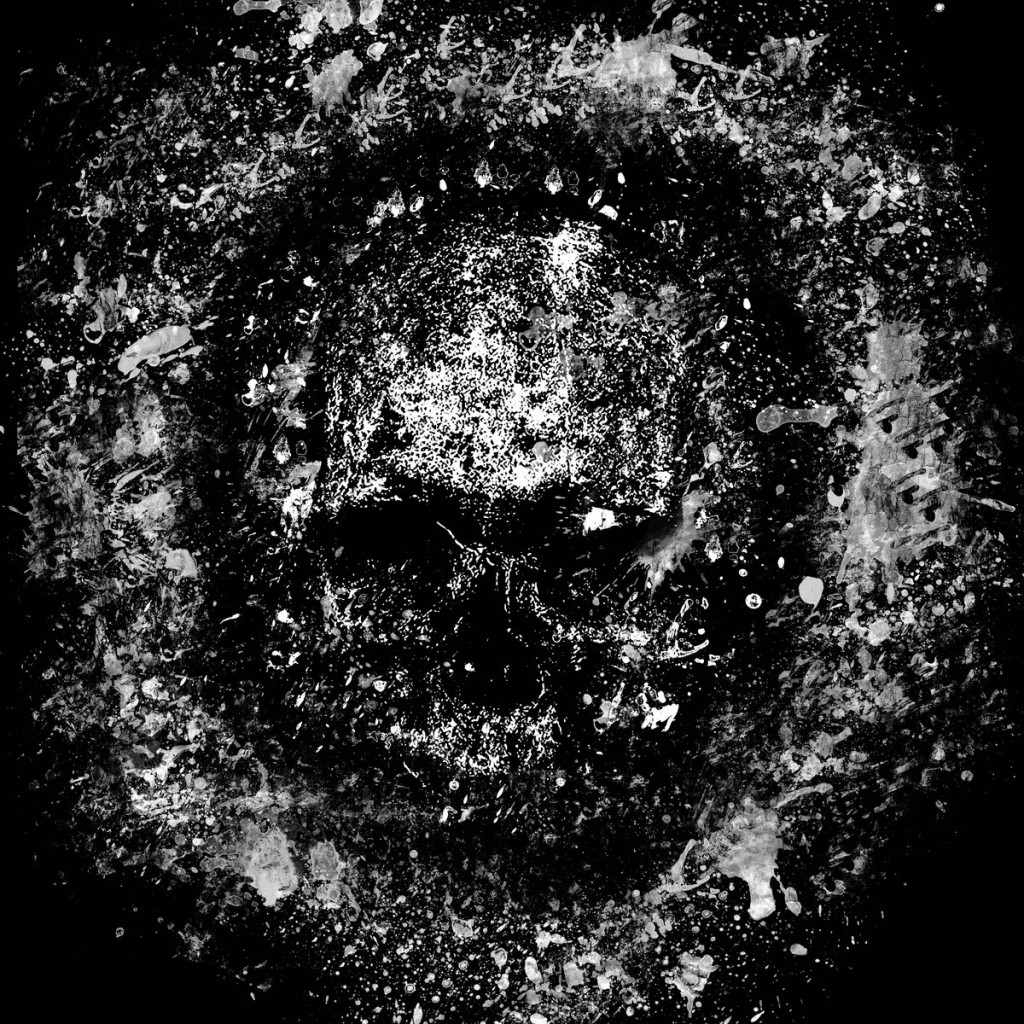 This double EP kind of converted me to powerviolence, a genre that never really held my attention before; seismic, unpleasant noise for sure, but feeling and substance too; this never becomes background in the way pure noise can. The Anthrophobia collaboration with Crozier is equally worthy of attention, for the same reasons.