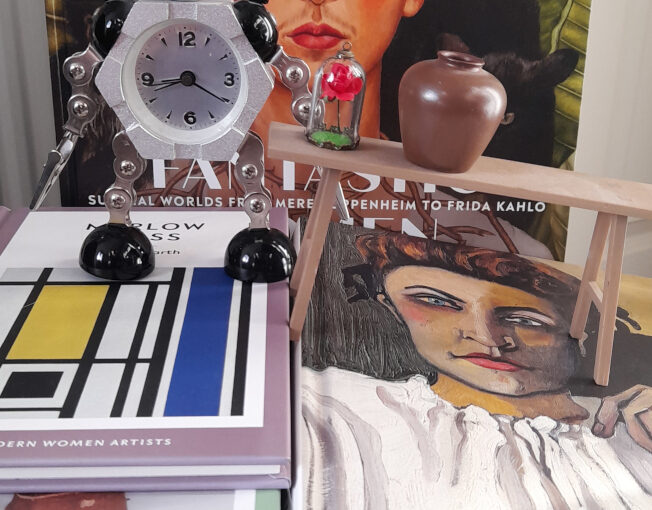
a pressing necessity: International Women’s Day 2026

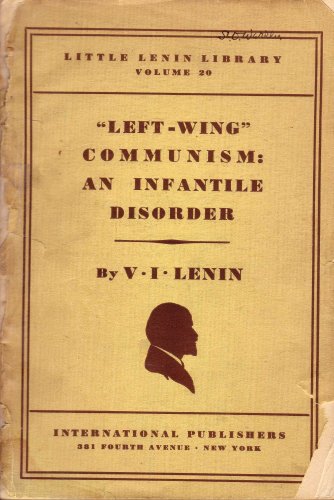
Firstly, the title comes from this short essay by one of my favourite historical figures, Rosa Luxemburg; it’s worth a read.

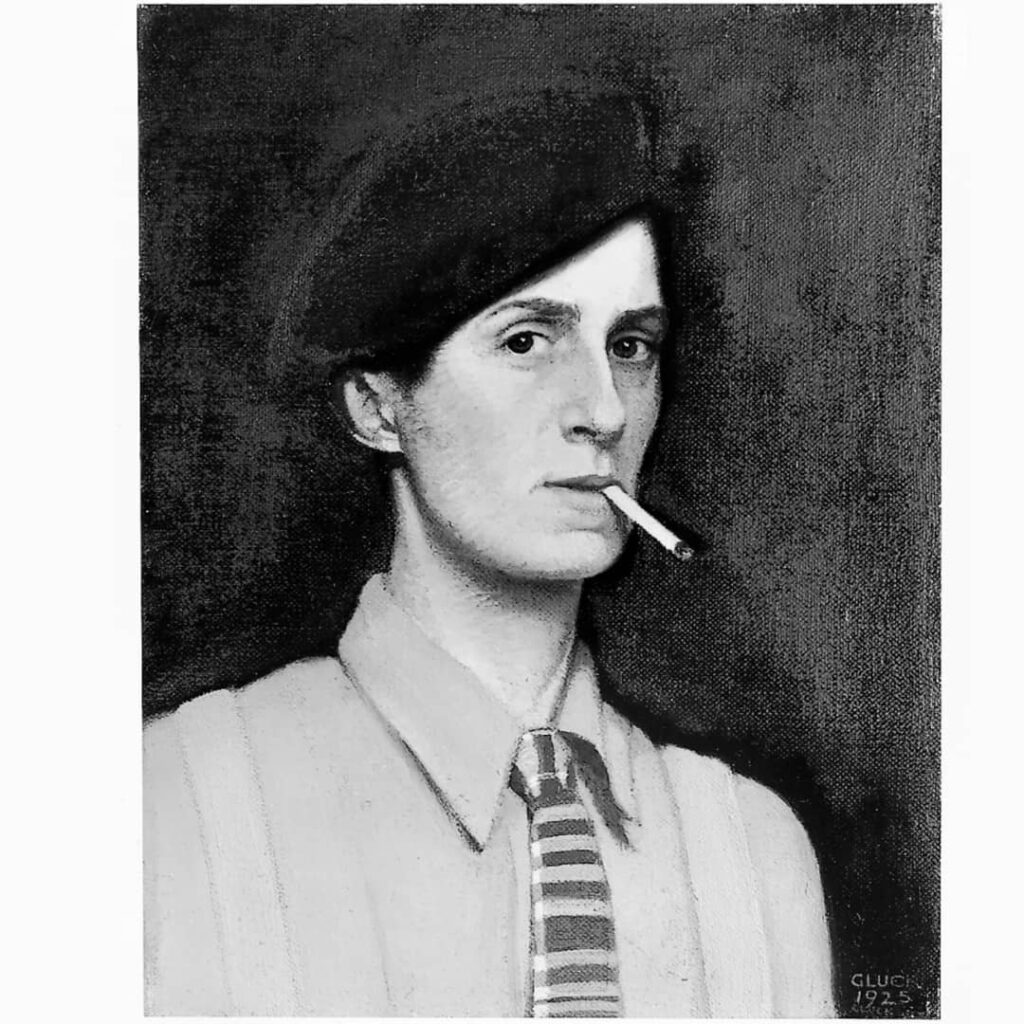
one of my favourite works of art by anyone ever; Monika Geilsdorf’s 1976 self-portrait

If anything demonstrates that half of the human race is in need of a special day to celebrate their achievements and raise awareness of the challenges they face, it’s the ongoing existence and high profile of International Women’s Day. I’m not here just to criticise it, so bear with me.

In a way it seems deeply patronising (not an accidental use of the word) that it even exists, since the celebration of IWD is in itself a sign that the patriarchy is in obnoxiously good health. Seems paradoxical, but look at the contrast between not just the profile of, but the nature of IWD, compared to International Men’s Day, which contrary to the belief of the frothing-at-the-mouth men on the misogynist fringe does exist (19 November), highlights the background that it exists against.

International Women’s Day commemorates the (ongoing) fight for Women’s rights, raises awareness of issues surrounding gender inequality and is a celebration of the achievements of women throughout the ages. International Men’s Day raises awareness of issues like suicide, self-harm, violence, homelessness etc; it’s a good thing, but it’s a much smaller and very different thing. Both international days are – necessarily – framed in the same way. The bad things that women have faced and continue to face – violent death, mutilation, violence, political, religious and social disenfranchisement – are the product of societies where women have been and in many ways continue to be second class citizens; the power structures they struggle with and against are overwhelmingly male and male-dominated. The problems that Men’s day raises, likewise come from men’s struggles to exist within that same socio-political/religious framework. The fact that I’ve spent half a paragraph about Women’s Day writing about Men’s Day is ironic but it’s also systemic.

Does that mean that IWD is a bad thing? Clearly not. There are women who, for a variety of reasons choose to denounce or simply opt out of the whole idea of it – as is their right – but the position of women has not improved so much over the past quarter century that the inequalities are merely historical, as seemed possible to envision around the end of the 1980s. And while the achievements of women in almost every field are acknowledged more now than ever, they are, depending on which sphere they take place in, often still seen as special cases; ‘women artists,’ ‘female plumbers’ etc, whereas terms from my childhood like ‘male nurse’ seem comically inappropriate (which isn’t to say that some people don’t still use them; but usually men, and for reactionary reasons).

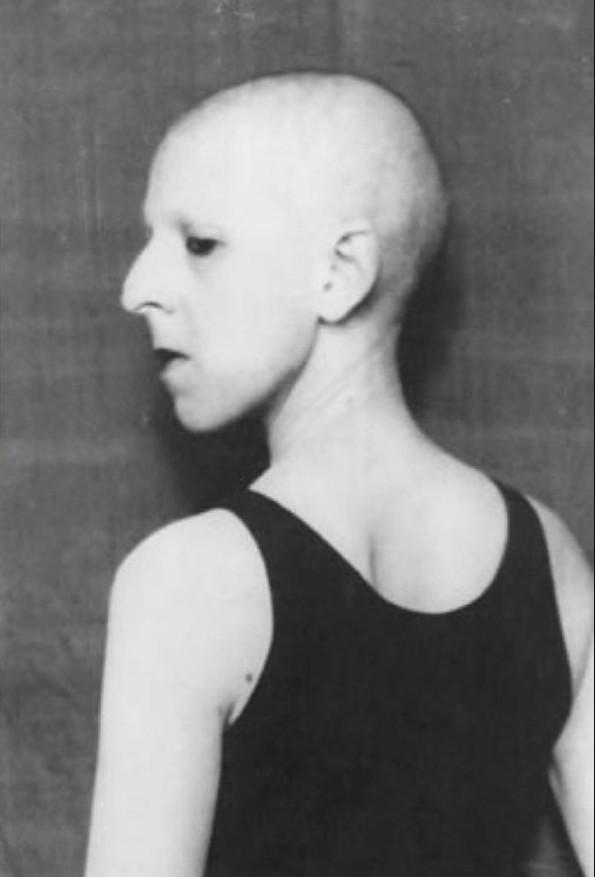
There’s also a valid argument that celebrating womens/mens days simply reinforces a binary that is merely a symptom of the old-fashioned, patriarchal system. It’s kind of undeniable; the name alone, International Women’s Day supposes “women” as a monolith. One of my favourite artists is the Surrealist Claude Cahun (born Lucie Schwob), whose work is often (by me, too) promoted as part of IWD celebrations of female artists, despite the artist’s unambiguous statement from Disavowals (1928) that “Neuter is the only gender that always suits me.” To ignore someone’s own personal identity in order to celebrate something about themselves that they specifically denied feels like a strange kind of tribute.
Nonetheless, nobody, not even Claude Cahun, denied that women do exist and that they have been and are (okay some people do loudly deny this bit) oppressed and subject to systemic inequalities.
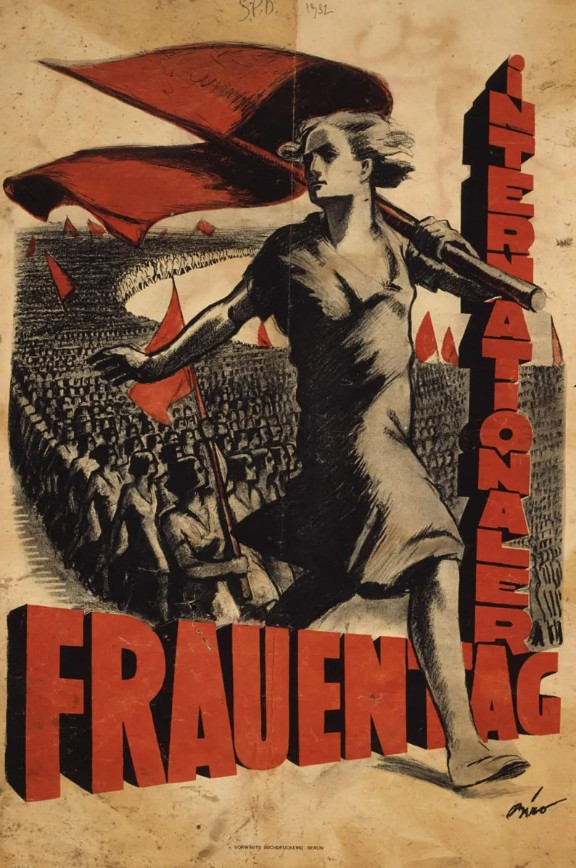
the great Hungarian artist Mihály Biró’s 1925 poster for International Women’s Day

What’s often overlooked now too is that International Women’s Day was historically – though not consistently – a socialist celebration. See here for an excellent exploration of its radical origins. Working Women’s Day – the date 8th March was chosen by Lenin, fact fans – was originally tied to issues of Workers’ Rights and the fight for equality more widely, but even in the Soviet Union the image softened over the years until eventually it –  ironically – came to celebrate women in traditional roles (mothers, wives) rather than revolutionary ones. Which is lame; but it’s easy to see why that link has eroded. The struggle for Women’s liberation was initially, and throughout its radical period in the 60s and 70s seen as analogous to the working class struggle – where women occupied a kind of working class, that is subordinate, position even within the working class. The gradual (but of course never total) amelioration of the rights of workers made aspects of the radicalism of the past feel dated and possibly unnecessary, though that is less true than it sometimes seems. Also, not all women were or are working class anyway, and class distinctions of that kind are not universal in every society in the world, but women’s marginalisation almost is.
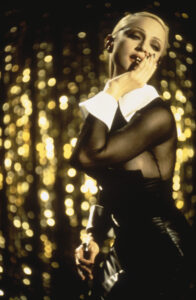
Madonna: “Erotica” (1992) dir Fabien Baron: not my mother’s feminism

Plus, people and perceptions change. My mother was a working class ‘Women’s Lib,’ Spare Rib-reading feminist of the 60s/70s, but although her views on Women’s liberation never really changed, from the 80s onwards she became puritanical in a way that now seems, to her children’s generation, a bit sexist, oddly. For example, she couldn’t see someone like Madonna (the popular entertainer, not the mother of Christ) and her ilk, however apparently empowered, as anything other than a manifestation of the retrograde desires of men, and she would probably have agreed with Morrissey that make-up is a lie, or even gone further to suggest that it’s a lie established by the patriarchy to keep women in their place. It’s a point of view, I suppose; but it’s also one that polices the image that women choose to project for themselves and so seems fundamentally anti-progressive, though I understand the logic of it.

Similarly, there are people who bemoan the loss of the ‘Class War’ aspect IWD, which I again understand, because I do think capitalism & patriarchy are bad and harmful to humanity in general and women in particular. But as a ‘working class’ male I also kind of reject it. Identifying with the system that labels you seems fundamentally unhelpful to me. I am ‘working class’ because that is the caste system established by a capitalist power structure, just as I would have been ‘peasant class’ centuries ago in a feudal society. Embracing that class identity seems far less attractive than altering society until its labels have no meaning anymore.

A fairer version of capitalism may not be the ultimate aim, but it would at least be a good thing. Marx’s ideal – I have a lot of time and affection for Marx, but I think he was often wrong, or at least that 21st century problems do not call for 19th century solutions – that inequality reaches crisis point so that revolution becomes a necessity feels to me very much like the apocalyptic thinking of those who want to immerse the world in war to bring about the second coming of Christ. The problem is – as we see, now, with war – that people, perhaps even generations of people, have to actually live their whole lives during that ‘crisis point’ which can continue, depending on the strength of the overarching system, almost indefinitely. Misery now, reward later is the self-serving bullshit the Christian church8 has been selling for 2000 years, I don’t think society is improved by adopting a well-meaning socialist version of it. Surely the life of even a single person is more important than the fulfilment of an ideology? Agree to disagree perhaps.

Which again has taken this away from International Women’s Day. When one is talking about half of the human race any kind of generalisation is bound to be wrong, but solidarity with people who are forced to struggle for equality as human beings within systems designed to keep them in a subordinate role never is.

It may be – especially in the social media age – that celebrations like International Women’s Day come under the banner of Bread and Circuses that the satirist Juvenal noted Imperial Rome offered to the people in lieu of the political power they held in the days of the old Republic. So should we get rid of them? No, would be my answer – quite the opposite, we should expand on them, turn them into actual holidays, raise awareness of every grievance that people have under a grossly unequal political system. If the ruling class of the Capitalist/Tech Oligarchy are offering circuses (where is the bread though?) to placate the people and keep them docile, then the very least their subjects can do to exert their will is to take over the circuses and to remake them in their own image, loud and unignorable.

Ah well, never mind, maybe soon there will be an International Humans Day where the (male) technocratic overlords agree to turn off AI for a day or something to show false solidarity with the rest of us. I won’t hold my breath though.

To end on something more positive, I’ve evangelised elsewhere about art history as a subject (here’s my one-line reason why everyone should study it; Art History is not just about the past, it encompasses everything that’s important about the present; politics, religion, gender, philosophy, personal, national and local identity – and studying the subject and freeing it from its historical assumptions and biases only makes it deeper and richer; plus you get to study fascinating, powerful and beautiful products of the human mind and body, too). Over the past decade or so the place of female artists within that history – and the profiles of individual women artists – has been explored more than ever before so that, although we are not yet at a point where women artists and male artists (and neither) just become ‘artists’ it’s no longer as unthinkable as that would have been when I studied art history 20 years ago.

On a less exulted note, when I first started posting things on Instagram around a decade ago, books like Jennifer Higgie’s The Mirror and the Palette, Katie Hessel’s The Story of Art Without Men (2022), Eiderdown Books’ superb Modern Women Artists series, Phaidon’s Great Women Artists (2019) and (my favourite) Lauren Elkin’s Art Monsters (2023) didn’t yet exist.

Some of my favourite artists – Jenny Saville, Hannah Höch, Gabriele Münter– were women and, like most female artists they made works that on one level transcend gender, as I think all great art does, but were also formed from an unmistakably female point of view (just as I would say Picasso’s art is unmistakably male). Female artists were, in short, making art that only female artists could make, (I’d actually go further and say that all great artists regardless of gender make art that only that individual can make, but that doesn’t change the basic point).

I found, and it’s still true, about art in general and not only – though especially – by women, that the more you look, the more you find and so when I started regularly posting art by female artists, most of whom were new to me, I began keeping a kind of database of artists and their birthdays. So here it is, in simplified form. There are many, many omissions (especially of sculptors – not so much my thing – and contemporary artists, whose birthdays are often not so easy to find) and it will always be a work in progress, but I think it’s worth sharing here anyway (and in birthday order, so you can see if you share your birthday with a fantastic artist; why not?) Happy International Women’s Day!.

JANUARY
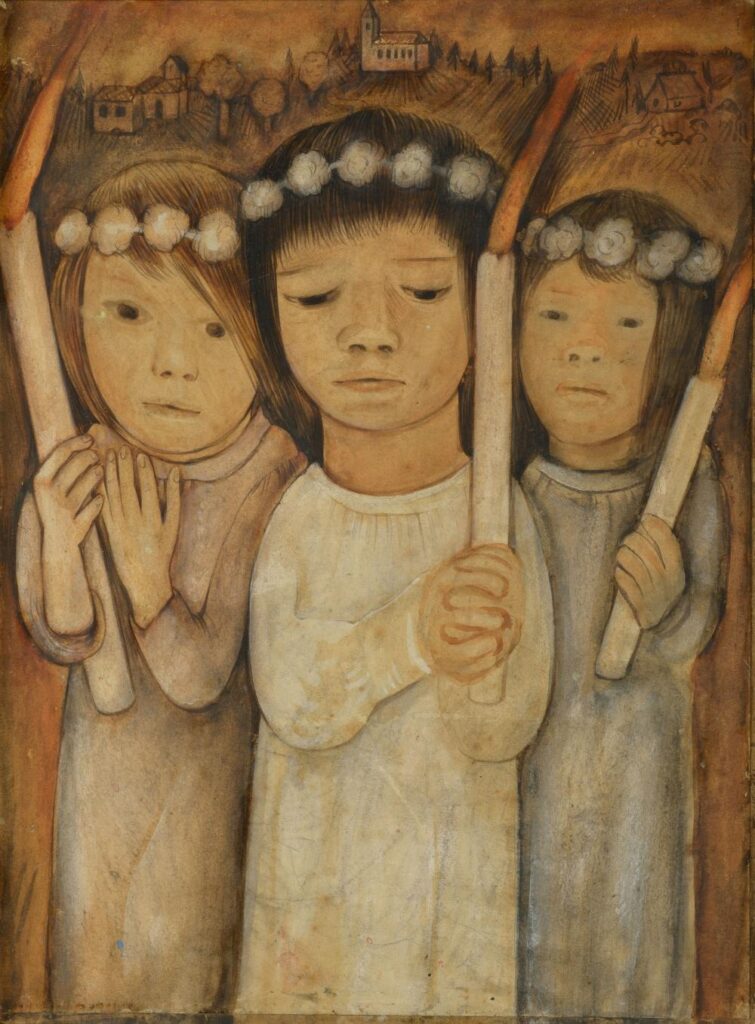
Children with Burning Torches (1920s) by Tina Bauer-Pezellen, an artist I love but can never find much information about

Selma Gubin born 01-Jan 1905
Rita Kernn-Larsen born 01-Jan 1904
Lynette Yiadom-Boakye born 01-Jan 1977
Selma Plawneek-des Coudres born 02-Jan 1883
Slava Raskaj born 02-Jan 1877
Sylvi Kunnas born 03-Jan 1903
Maruja Mallo born 05-Jan 1902
Margaret Modlin born 05-Jan 1927
Madame Yevonde born 05-Jan 1893
Ruth Gikow born 06-Jan 1915
Sanja Ivekovic born 06-Jan 1949
Franciska Clausen born 07-Jan 1899
Fahrelnissa Zeid born 07-Jan 1901
Wanda von Debschitz-Kunowski born 08-Jan 1870
Alida Jantina Pott born 08-Jan 1888
Julie Wolfthorn born 08-Jan 1864
Tina Bauer-Pezellen born 09-Jan 1897
Annemarie Heinrich born 09-Jan 1912
Maxa Nordau born 10-Jan 1897
Nora Heysen born 11-Jan 1911
Marcia Marcus born 11-Jan 1928
Rosalba Carriera born 12-Jan 1673
Hannah Hirsch-Pauli born 13-Jan 1864
Lilla Cabot Perry born 13-Jan 1848
Alice Pike Barney born 14-Jan 1857
Berthe Morisot born 14-Jan 1841
Eve Sonneman born 14-Jan 1946
Louise Blair Daura born 15-Jan 1905
Sabine Lepsius born 15-Jan 1864
Gerta Overbeck born 16-Jan 1898
Teddy Røwde born 16-Jan 1911
Alexandra Ekster born 18-Jan 1882
Cindy Sherman born 19-Jan 1954
Marianne Stokes born 19-Jan 1855
Sophie Tauber-Arp born 19-Jan 1889
Leyly Matine-Daftary born 19-Jan 1937
Maxine Albro born 20-Jan 1893
Hertha Spielberg born 21-Jan 1890
Annemarie Jacob born 22-Jan 1891
Kiki Kogelnik born 22-Jan 1935
Maria Luiko born 25-Jan 1904
Emilie von Hallavanya born 26-Jan 1874
Katarzyna Kobro born 26-Jan 1898
Yva (Else Ernestine Neulander-Simon) born 26-Jan 1900
Jeanne Selmersheim-Desgrange born 27-Jan 1877
Maria Tlusty born 27-Jan 1901
Bertha Muller born 28-Jan 1848
Alice Neel born 28-Jan 1900
Elisabeth Büchsel born 29-Jan 1867
Anna Susanna Fries born 30-Jan 1827
Teresa Feoderovna Ries born 30-Jan 1874
Amrita Sher-Gil born 30-Jan 1913
Masa Feszty born 31-Jan 1894
Elena Liessner-Blomberg born 31-Jan 1897
Cornelia Macintyre Foley born 31-Jan 1909

FEBRUARY
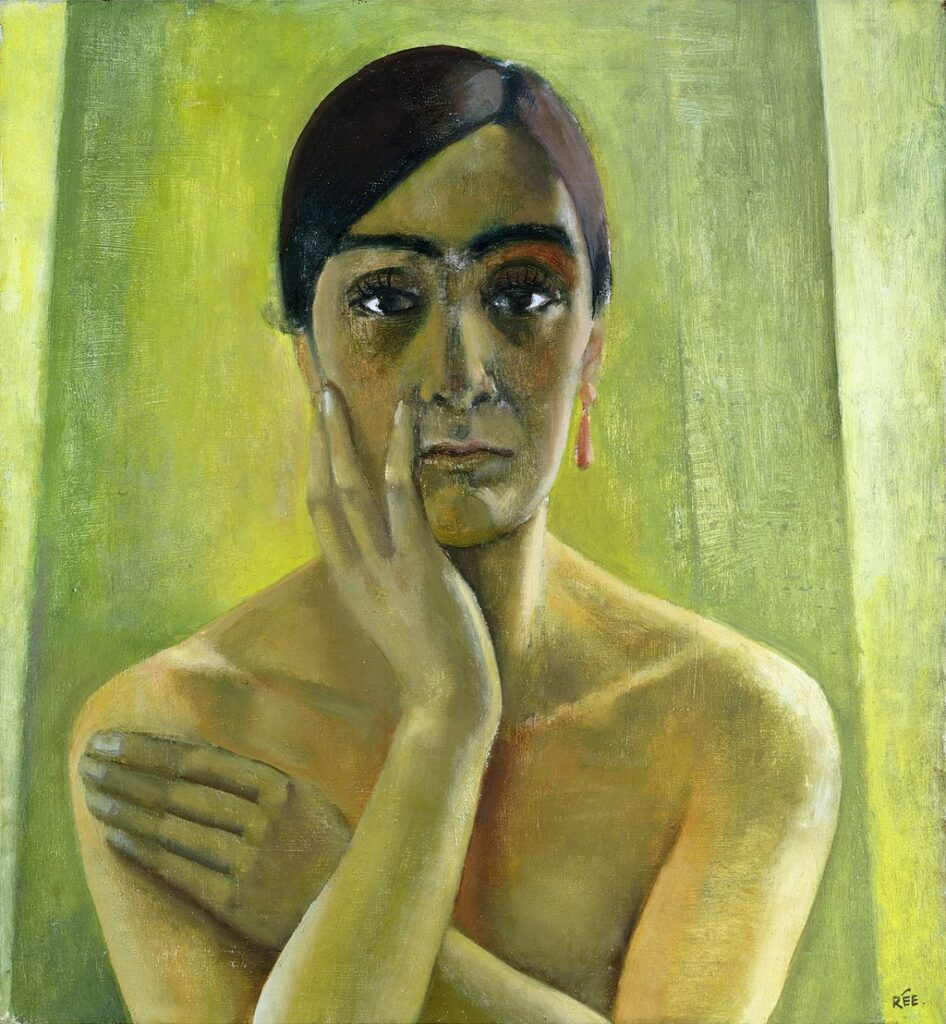
Anita Rée – self portrait (1930)

Doris Lee born 01-Feb 1905
Kris Torne born 01-Feb 1867
Sybil Atteck born 03-Feb 1911
Helen Forbes born 03-Feb 1891
Henriette Petit born 03-Feb 1894
Katherine Read born 03-Feb 1723
Georgina de Albuquerque born 04-Feb 1885
Marthe Hirt born 04-Feb 1890
Minna Köhler-Roeber born 04-Feb 1883
Ksenia Boguslavskaya born 05-Feb 1892
Jeanne Bieruma Oosting born 05-Feb 1898
Dorothea Maetzel-Johannsen born 06-Feb 1886
Arte Topalian born 06-Feb 1906
Kaete Lassen born 07-Feb 1880
Paula Modersohn-Becker born 08-Feb 1876
Anita Ree born 09-Feb 1885
Celia Calderon born 10-Feb 1921
Eva Frankfurther born 10-Feb 1930
Dorte Clara Wolff (Dodo) born 10-Feb 1907
Annelise Kretschmer born 11-Feb 1903
Léa Lafugie born 11-Feb 1890
Kate Diehn-Bitt born 12-Feb 1900
Marie Vassilieff born 12-Feb 1884
Marta Hegemann born 14-Feb 1894
Marie Vorobieff (Marevna) born 14-Feb 1892
Dora de la Torre born 14-Feb 1924
Mary Adshead born 15-Feb 1904
Grethe Jurgens born 15-Feb 1899
Gertrude Abercrombie born 17-Feb 1909
Greta Hällfors-Sipilä born 19-Feb 1899
Hazel Janicki born 19-Feb 1918
Gabriele Munter born 19-Feb 1877
Else Berg born 19-Feb 1877
Maria von Heider-Schweinitz born 20-Feb 1894
Lía Correa Morales born 20-Feb 1893
Grace Carpenter Hudson born 21-Feb 1865
Delhy Tejero born 22-Feb 1904
Gundula Schulze Eldowy born 23-Feb 1954
Martha Cunz born 24-Feb 1876
Alice Bailly born 25-Feb 1872
Broncia Koller-Pinnell born 25-Feb 1863
Hilde Hamann born 26-Feb 1898
Alexandra Povorina born 26-Feb 1885
Annie Swynnerton born 26-Feb 1844
Teresa Condeminas i Soler born 27-Feb 1905
Eva-Maria Bergmann born 28-Feb 1941
Julia Thecla born 28-Feb 1896

MARCH
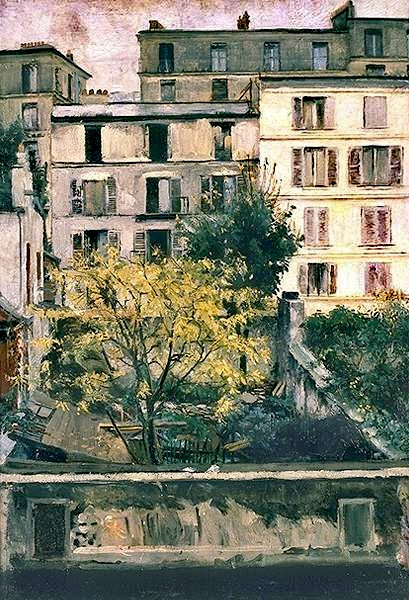
Maria Slavona – Houses in Montmarte (1898)

Marcelle Cahn born 01-Mar 1895
Erika Streit born 01-Mar 1910
Lola Cueto born 02-Mar 1897
Agda Holst born 02-Mar 1886
Judith Alpi born 03-Mar 1893
Gussy Hippold-Ahnert born 03-Mar 1910
Anne Ratkowski born 03-Mar 1903
Ellen Emmet Rand born 04-Mar 1875
Charmion Von Wiegand born 04-Mar 1896
Gertrude Fehr born 05-Mar 1895
Clara Ledesma Terrazas born 05-Mar 1924
Maria Blanchard born 06-Mar 1881
Pauline Boty born 06-Mar 1938
Maria Uhden born 06-Mar 1892
Marisa Roesset Velasco born 06-Mar 1904
Aenne Biermann born 08-Mar 1898
Constance Mayer born 09-Mar 1774
Annalize Pilasik born 10-Mar 1903
Rita Angus born 12-Mar 1908
Zofia Atteslander born 12-Mar 1874
Elaine De Kooning born 12-Mar 1918
Marie Eberhard born 12-Mar 1897
Idelle Weber born 12-Mar 1932
Lizzy Ansingh born 13-Mar 1875
Andree Bosquet born 13-Mar 1900
Diane Arbus born 14-Mar 1923
Annemarie von Jakimow-Kruse born 14-Mar 1889
Maria Slavona born 14-Mar 1865
Mary Pratt born 15-Mar 1935
Gerda Wegener born 15-Mar 1886
Maria Austria born 19-Mar 1915
Marie Ellenrieder born 20-Mar 1791
Renee Sintenis born 20-Mar 1888
Alix Ayme born 21-Mar 1894
Greta Kempton born 22-Mar 1901
Lea Grundig born 23-Mar 1906
Marie Howet born 24-Mar 1897
Charley Toorop born 24-Mar 1891
Petrona Viera born 24-Mar 1895
Therese Debains born 25-Mar 1897
Johanna Kampmann-Freund born 25-Mar 1888
Käthe Loewenthal born 27-Mar 1878
Elga Sesemann born 28-Mar 1922
Dora Carrington born 29-Mar 1893
Cecile Walton born 29-Mar 1891
Helene Riedel born 30-Mar 1901

APRIL
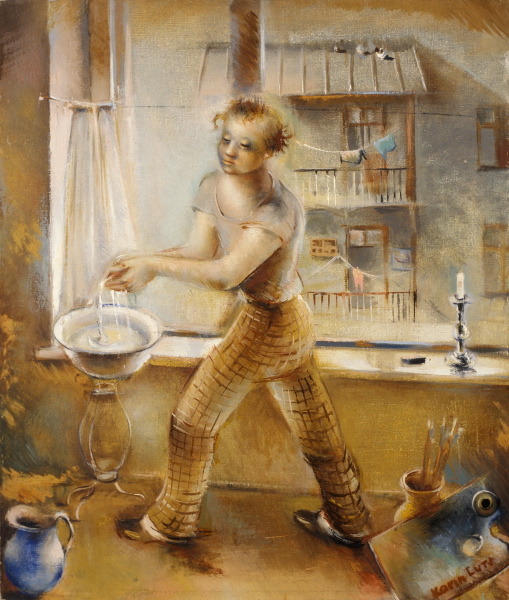
Karin Luts – The Artist (1937)

Gertrude Bohnert born 02-Apr 1908
Emilie Charmy born 02-Apr 1878
Stella Snead born 02-Apr 1910
Hermine Aichenegg born 03-Apr 1915
Francesca woodman born 03-Apr 1958
Constance Marie Charpentier born 04-Apr 1767
Ruth Smith born 05-Apr 1913
Leonora Carrington born 06-Apr 1917
Jeanne Hebuterne born 06-Apr 1898
Kata Kalivoda born 06-Apr 1877
Hilde Rubinstein born 07-Apr 1904
Lilly Steiner born 07-Apr 1884
Annemirl Bauer born 10-Apr 1939
Gunvor Gronvik born 10-Apr 1912
Frances Foy born 11-Apr 1890
Adélaïde Labille-Guiard born 11-Apr 1749
Maggie Laubser born 14-Apr 1886
Olga Boznanska born 15-Apr 1865
Elizabeth Catlett born 15-Apr 1915
Princess Elisabeth Vilma Lwoff-Parlaghy born 15-Apr 1863
Laura Alma-Tadema born 16-Apr 1852
Inji Efflatoun born 16-Apr 1924
Charlotte Salomon born 16-Apr 1917
Hermine David born 19-Apr 1886
Eva Gonzales born 19-Apr 1849
Dod Procter born 21-Apr 1890
Raquel Forner born 22-Apr 1902
Ottilie Roederstein born 22-Apr 1859
Lee Miller born 23-Apr 1907
Christine Bacheler Nisbet born 24-Apr 1902
Lyubov Popova born 24-Apr 1889
Bridget Riley born 24-Apr 1931
Mary Brandt (Perez) born 25-Apr 1917
Mela Muter born 26-Apr 1876
Doro Ording born 26-Apr 1901
Nathalie Kraemer born 28-Apr 1891
Else Fischer-Hansen born 29-Apr 1905
Mainie Jellett born 29-Apr 1897
Karin Luts born 29-Apr 1904
Ruth Meier born 29-Apr 1888
Juana Romani born 30-Apr 1867
Thea Schleusner born 30-Apr 1879
Joronn Sitje born 30-Apr 1897

MAY
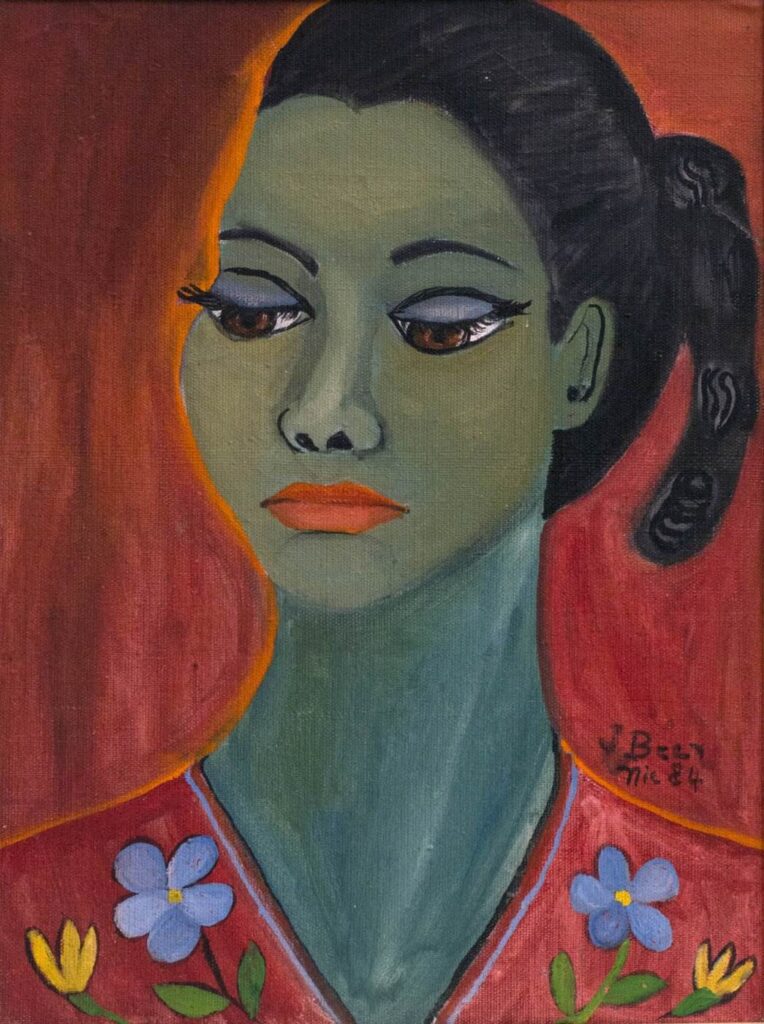
June Beer – Woman in Red (self portrait), 1984

Cecilia Beaux born 01-May 1855
Romaine Brooks born 01-May 1874
Elsa Thoresen born 01-May 1906
Eva Aeppli born 02-May 1925
Peggy Bacon born 02-May 1895
Chinwe Chukwuogo-Roy born 02-May 1952
Brigitte Fugmann born 03-May 1948
Stina Forssell born 03-May 1906
Geta Bratescu born 04-May 1926
Sylvia Pankhurst born 05-May 1882
Celeste Woss y Gil born 05-May 1891
Lucie Citti Ferreira born 06-May 1911
Suzy Freylinghuysen born 07-May 1911
Marion Gilmore born 07-May 1909
Dore Meyer-Vax born 08-May 1908
Felicita Pauluka born 08-May 1925
Paula Gans born 09-May 1883
Stanislawa de Karlowska born 09-May 1876
Hanna Klose-Greger born 09-May 1892
Grete Stern born 09-May 1904
Frida Konstantin born 10-May 1884
Helene von Taussig born 10-May 1879
Eva Schulze Knabe born 11-May 1907
Ilske Schwimmer born 11-May 1915
Monika Brachmann born 12-May 1944
Paula Lauenstein born 12-May 1898
Charlotte Wankel born 12-May 1888
Sara Afonso/Affonso born 13-May 1899
Louise Seidler born 15-May 1786
Stella Bowen born 16-May 1893
Tamara de Lempicka born 16-May 1898
Laura Wheeler Waring born 16-May 1887
Bele Bachem born 17-May 1916
June Beer born 17-May 1935
Martha Bernstein born 17-May 1874
Kati Horna born 19-May 1912
Clara von Rappard born 19-May 1857
Ellen Auerbach born 20-May 1906
Lily Furedi born 20-May 1896
Margret Hofheinz-Döring born 20-May 1910
Maria Hiller-Foell born 21-May 1880
Marisol Escobar born 22-May 1930
Erszebet Korb born 22-May 1889
Julia Diaz born 23-May 1917
Charlotte Berend-Corinth born 25-May 1880
Anita Magsaysay-Ho born 25-May 1914
Vally Wieselthier born 25-May 1895
Fanny Harlfinger-Zakucka born 26-May 1873
Amelie Lundahl born -May 1850
Heidi Vogel born 27-May 1951
Anna De Weert born 27-May 1867
Anna-Eva Bergman born 29-May 1909
Marlow Moss born 29-May 1889
Vanessa Bell born 30-May 1879
Audrey Flack born 30-May 1931
Magdalena Mira Mena born 30-May 1859
Carmen Herrera born 31-May 1915
Mireya Lafuente born 31-May 1905
Hilla von Rebay born 31-May 1890

JUNE
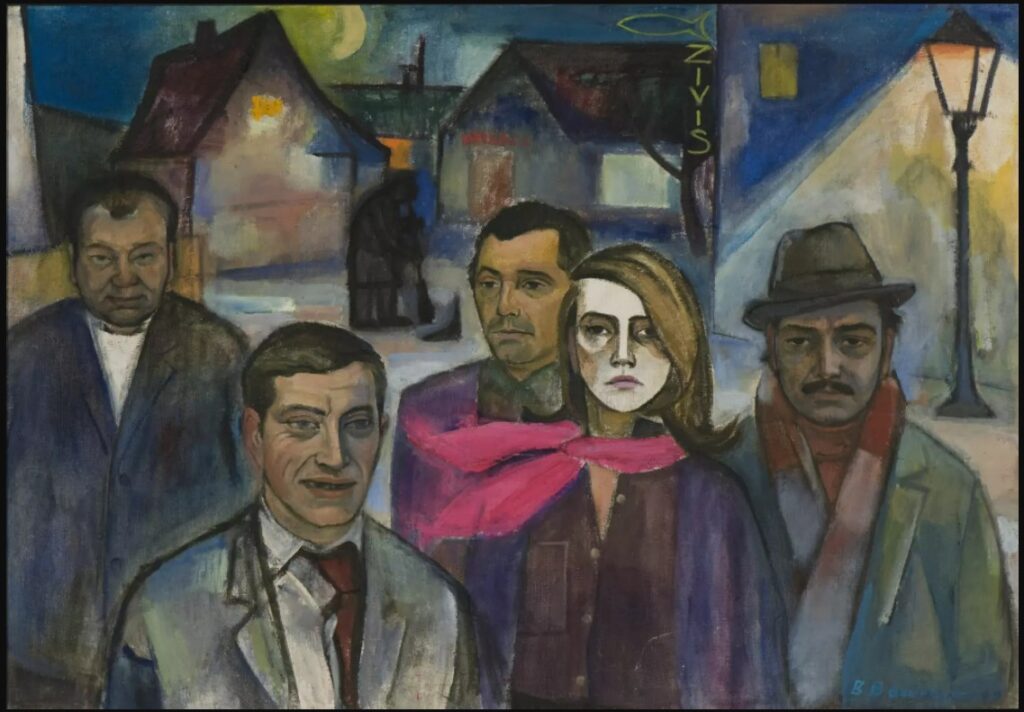
Biruta Baumane – Group Portrait (1969)

Vera Nilsson born 01-Jun 1888
Lotte B Prechner born 01-Jun 1877
Greta Gerell born 02-Jun 1898
Louise Amans born 05-Jun 1850
Winifred Knights born 05-Jun 1899
Biruta Baumane born 06-Jun 1922
Ricarda Jacobi born 07-Jun 1923
Laura Rodig born 07-Jun 1901
Alice Rahon born 08-Jun 1904
Montserrat Gudiol born 09-Jun 1933
Oda Krohg born 11-Jun 1860
Priscilla Warren Roberts born 13-Jun 1916
Pan Yuliang born 14-Jun 1895
Agnes Tait born 14-Jun 1894
Erna Lincke born 15-Jun 1899
Edith Meyer von Kamptz born 15-Jun 1884
Fritzi Brod born 16-Jun 1900
Henriette Browne born 16-Jun 1829
Irma Lang-Scheer born 17-Jun 1901
Margarete Kubicka born 20-Jun 1891
Emilia Bertole born 21-Jun 1896
Gwen John born 22-Jun 1876
Wangechi Mutu born 22-Jun 1972
Hilde Rakebrand born 22-Jun 1901
Olga Rozanowa born 22-Jun 1886
Madge Tennent born 22-Jun 1889
Lilo Raymond born 23-Jun 1922
Elena Shegal born 23-Jun 1924
Meraud Guinness born 24-Jun 1904
Helen Lundeberg born 24-Jun 1908
Alice Frey born 25-Jun 1895
Kay Sage born 25-Jun 1898
Vilma Eckl born 26-Jun 1892
Coba Ritsema born 26-Jun 1876
Helene Perdriat born 27-Jun 1889
Catherine Yarrow born 27-Jun 1904
Ali Goubitz born 28-Jun 1904
Florence Henri born 28-Jun 1893
Nan Youngman born 28-Jun 1906
Hannelore Neumann-Tachilzik born 29-Jun 1939

JULY
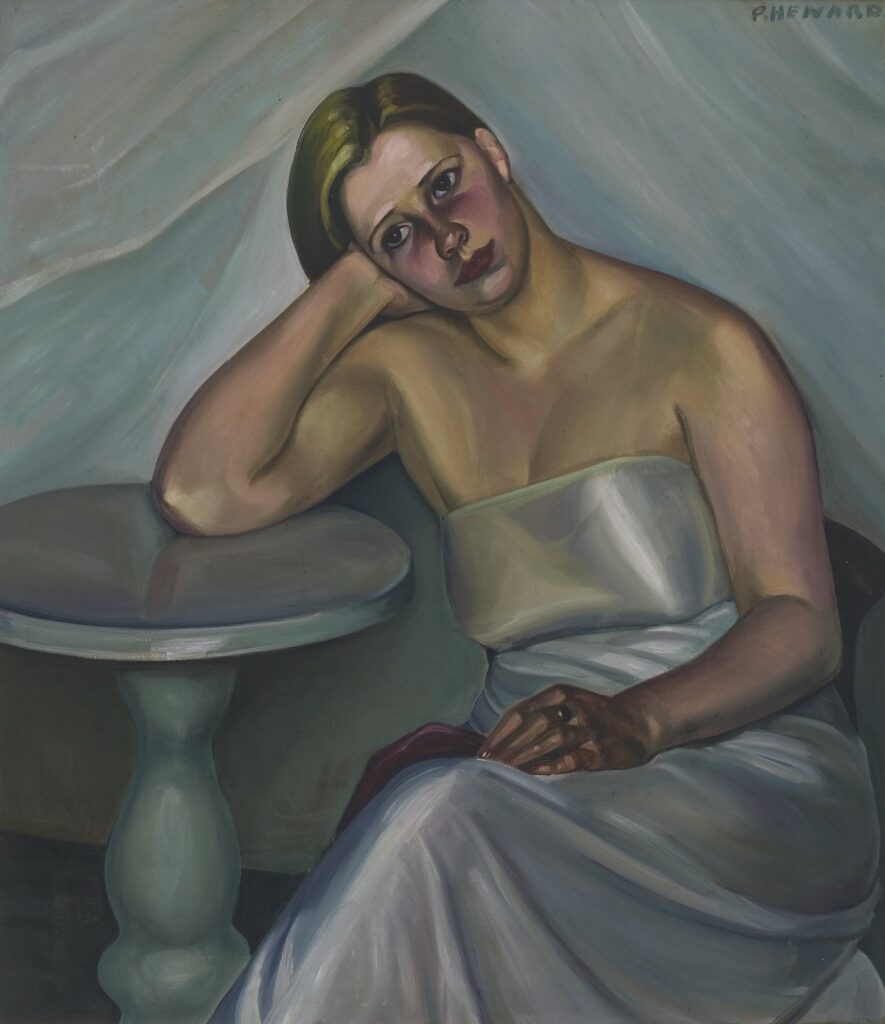
Prudence Heward – Portrait of an unknown Woman c.1920s

Herminia Arrate born 01-Jul 1896
Elizabeth Lochrie born 01-Jul 1890
Prudence Heward born 02-Jul 1896
Lydia Mei born 02-Jul 1896
Rahel Szalit-Marcus born 02-Jul 1894
Georgina Klitgaard born 03-Jul 1893
Petra Flemming born 06-Jul 1944
Frida Kahlo born 06-Jul 1907
Unica Zurn born 06-Jul 1916
Artemisia Gentileschi born 08-Jul 1593
Kathe Kollwitz born 08-Jul 1867
Carmen Mondragon (Nahui Olin) born 08-Jul 1894
Maria Tupper Hunneus born 09-Jul 1893
Helene Schjerfbeck born 10-Jul 1862
Luise Kornsand born 11-Jul 1876
Bertina Lopes born 11-Jul 1924
Ruth Starr Rose born 12-Jul 1887
Honore Desmond Sharrer born 12-Jul 1920
Helene Arnau born 13-Jul 1870
Alice Brasse-Forstmann born 13-Jul 1903
Elena Huerta Muzquiz born 15-Jul 1908
Giselle Kuster born 15-Jul 1911
Berenice Abbott born 17-Jul 1898
Marie Petiet born 20-Jul 1854
Marta Astfalck-Vietz born 21-Jul 1901
Greta Freist born 21-Jul 1904
Maral Rahmanzadeh born 23-Jul 1916
Anna Dorothea Therbusch born 23-Jul 1721
Wanda Wulz born 25-Jul 1903
Alba Calderon (de Gil) born 27-Jul 1908
Nelly van Doesburg born 27-Jul 1899
Sofia Bassi born 28-Jul 1913
Mathilda Rotkirch born 28-Jul 1813
Anna Stainer-Knittel born 28-Jul 1841
Grace Pailthorpe born 29-Jul 1883
Bettina Shaw-Lawrence born 29-Jul 1921
Friedl Dicker-Brandeis born 30-Jul 1898
Maria Szantho born 31-Jul 1897
Doris Zinkeisen born 31-Jul 1897

AUGUST
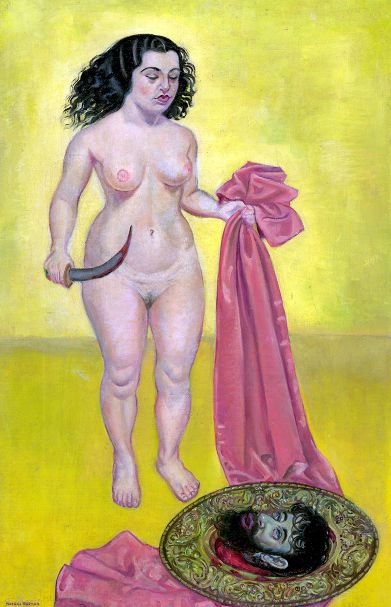
Macena Barton – Salome (1930s?)

Rachel Baes born 01-Aug 1912
Ida Gerhardi born 02-Aug 1862
Gretel Haas-Gerber born 02-Aug 1903
Maria Wiik born 03-Aug 1853
Laura Knight born 04-Aug 1877
Hedda Sterne born 04-Aug 1910
Edith Dettmann born 04-Aug 1898
Margit Graber born 05-Aug 1895
Irene Rice Pereira born 05-Aug 1902
Macena Barton born 07-Aug 1901
Maria Caspar-Filser born 07-Aug 1878
Lili Orszag born 08-Aug 1926
Tove Jansson born 09-Aug 1914
Eliane de Meuse born 09-Aug 1899
Cornelia Paczka-Wagner born 09-Aug 1864
Rogi Andre born 10-Aug 1900
Margret Bilger born 12-Aug 1904
Marianne Fieglhuber-Gutscher born 12-Aug 1889
Nola Hatterman born 12-Aug 1899
Ernestine von Kirchsberg born 12-Aug 1857
Helene Roth born 12-Aug 1887
Gluck (Hannah Gluckstein) born 13-Aug 1895
Xenia Cage born 15-Aug 1913
Marie Goth born 15-Aug 1887
Zsuzsi Robos born 15-Aug 1929
Tamara Natalie Madden born 16-Aug 1975
Käthe Ephraim Marcus born 16-Aug 1892
Gunnvor Advocaat born 17-Aug 1912
Gudrun Petersdorff born 17-Aug 1955
Anna Ancher born 18-Aug 1859
Kyra Markham born 18-Aug 1891
Florine Stettheimer born 19-Aug 1871
Lette Valeska born 20-Aug 1885
Hedwig Holtz-Sommer born 22-Aug 1901
Agnes Lawrence Pelton born 22-Aug 1881
Ebba Carstensen born 23-Aug 1885
Agnes Cleve born 23-Aug 1876
Hannah Frank born 23-Aug 1908
Mariette Lydis born 24-Aug 1887
Henriette Paula Häberlin born 25-Aug 1882
Dorothea Tanning born 25-Aug 1910
Fanny Rabel born 27-Aug 1922
Olga Costa born 28-Aug 1913
Else Lohmann born 29-Aug 1897
Sughra Rababi born 29-Aug 1922
Martha Schrag born 29-Aug 1870
Anna Zinkeisen born 29-Aug 1901
Siri Deckert born 30-Aug 1888
Leonor Fini born 30-Aug 1907
Amy Sherald born 30-Aug 1973
Ida Kerkovius born 31-Aug 1879

SEPTEMBER
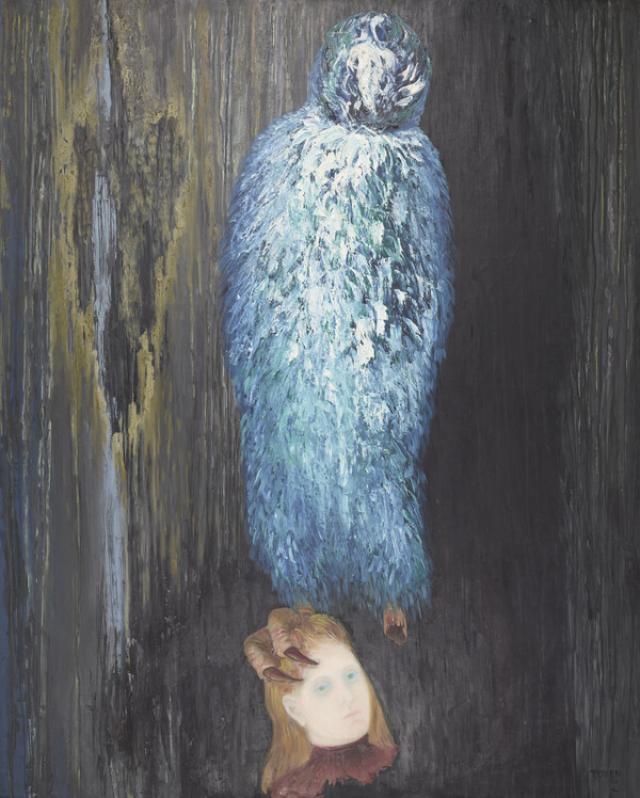
Toyen – The Message of the Forest (1936)

Adriana Bisi Fabbri born 01-Sep 1881
Mario Miguel Mollari 01-Sep 1930
Hilda Rix Nicholas born 01-Sep 1884
Augusta Roszmann born 01-Sep 1859
Mina Carlson-Bredberg born 02-Sep 1857
Else Meidner born 02-Sep 1901
Elin Danielson-Gambogi born 03-Sep 1861
Helene Funke born 03-Sep 1869
Lis Bertram-Ehmsen born 05-Sep 1897
Piti (Francis) Bartolozzi born 06-Sep 1908
Marie-Gabrielle Capet born 06-Sep 1761
Rosa Rolanda born 06-Sep 1896
Hanna Bekker vom Rath born 07-Sep 1893
Maria Lassnig born 08-Sep 1919
Mimi Parent born 08-Sep 1924
Anna Walinska born 08-Sep 1906
Aurora Reyes Flores born 09-Sep 1908
Consuelo Remedios González del Bianco born 10-Sep 1911
Marianne von Werefkin born 10-Sep 1860
Bona di Mandiargues born 12-Sep 1926
Nan Goldin born 12-Sep 1953
Lili Pancu born 13-Sep 1908
Eva Cederström born 15-Sep 1909
Hope Gangloff born 15-Sep 1974
Rosalie Gwathmey born 15-Sep 1908
Cordelia Urueta Sierra born 16-Sep 1908
Alla Horska born 18-Sep 1929
Maud Sulter born 19-Sep 1960
Hilda Belcher born 20-Sep 1881
Denise Bellon born 20-Sep 1902
Genevieve Springston Lynch born 20-Sep 1891
Else Hagen born 21-Sep 1914
Toyen born 21-Sep 1902
Anne Winterer born 21-Sep 1894
Hansl Bock born 22-Sep 1893
Irena Rüther-Rabinowicz born 22-Sep 1900
Esphyr Slobodkina born 22-Sep 1908
Suzanne Van Damme born 22-Sep 1901
Suzanne Valadon born 23-Sep 1865
Maina-Miriam Munsky born 24-Sep 1943
Tilsa Tsuchiya 24-Sep 1928
Marguerite Zorach born 25-Sep 1887
Suzi Gablik born 26-Sep 1934
Arcangela Paladini born 29-Sep 1596

OCTOBER
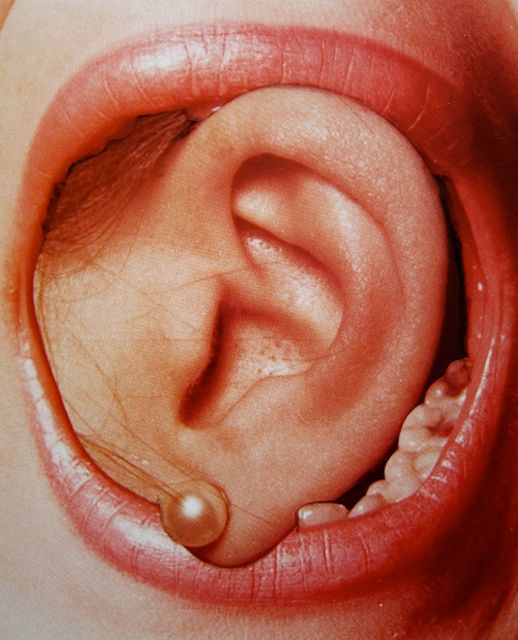
Penny Slinger – I Hear What You Say (1973)

Marianne Brandt born 01-Oct 1893
Alice Prin (Kiki de Montparnasse) born 02-Oct 1901
Elisabeth Sophie Cheron born 03-Oct 1648
Kathleen Walne born 03-Oct 1915
Ester Ellqvist born 04-Oct 1880
Ellen Thesleff born 05-Oct 1869
Graciela Aranis born 06-Oct 1908
Meret Oppenheim born 06-Oct 1913
Nina Arbore born 08-Oct 1889
Elise Ransonnet-Villez born 08-Oct 1843
Faith Ringgold born 08-Oct 1930
Louise Rösler born -Oct 1907
Ithell Colquhoun born 09-Oct 1906
Zelia Salgado born 10-Oct 1904
Linda Kogel born 11-Oct 1861
Grete Csaki-Copony born 12-Oct 1893
Paula Deppe born 12-Oct 1886
Nadezhda Petrovic born 12-Oct 1873
Ruth Bernhard born 14-Oct 1905
Vilma Vrbova born 14-Oct 1905
Minna Citron born 15-Oct 1896
Lilly Hildebrandt born 16-Oct 1887
Elisabeth Chaplin born 17-Oct 1890
Cata Dujšin-Ribar born 17-Oct 1897
Agnes van den Brandeler born 18-Oct 1918
Jeanne Mandello born 18-Oct 1907
Bettina von Arnim born 19-Oct 1940
Jacqueline Marval born 19-Oct 1866
Ottilie Reylaender born 19-Oct 1882
Else-Christie Kielland born 20-Oct 1903
Gustava Engels von Veith born 20-Oct 1879
Penny Slinger born 21-Oct 1947
Lygia Clark born 23-Oct 1920
Rina Lazo (Wasem) born 23-Oct 1923
Marie-Louise von Motesiczky born 24-Oct 1906
Claude Cahun born 25-Oct 1894
Katalin Ladik born 25-Oct 1942
Ruth Light Braun born 26-Oct 1906 2003 oa
Marthe Donas born 26-Oct 1885 1967 oa
Bep Rietveld born 26-Oct 1913 1999 oa
Blanche-Augustine Camus born 27-Oct 1884
Julie Hagen-Schwarz born 27-Oct 1824
Sigrid Hjerten born 27-Oct 1885
Mary Moser born 27-Oct 1744
Paraskeva Clark born 28-Oct 1898
Bertha Müller born 28-Oct 1848
Alice Lex-Nerlinger born 29-Oct 1893
Louise Abbema born 30-Oct 1853
Maria Izquierdo born 30-Oct 1902
Angelika Kauffmann born 30-Oct 1741
Erna Schmidt-Carroll born 30-Oct 1896
Marie-Laure de Noailles born 31-Oct 1902
Marie Laurencin born 31-Oct 1883
Jóhanna Kristín Yngvadóttir born 31-Oct 1953

NOVEMBER
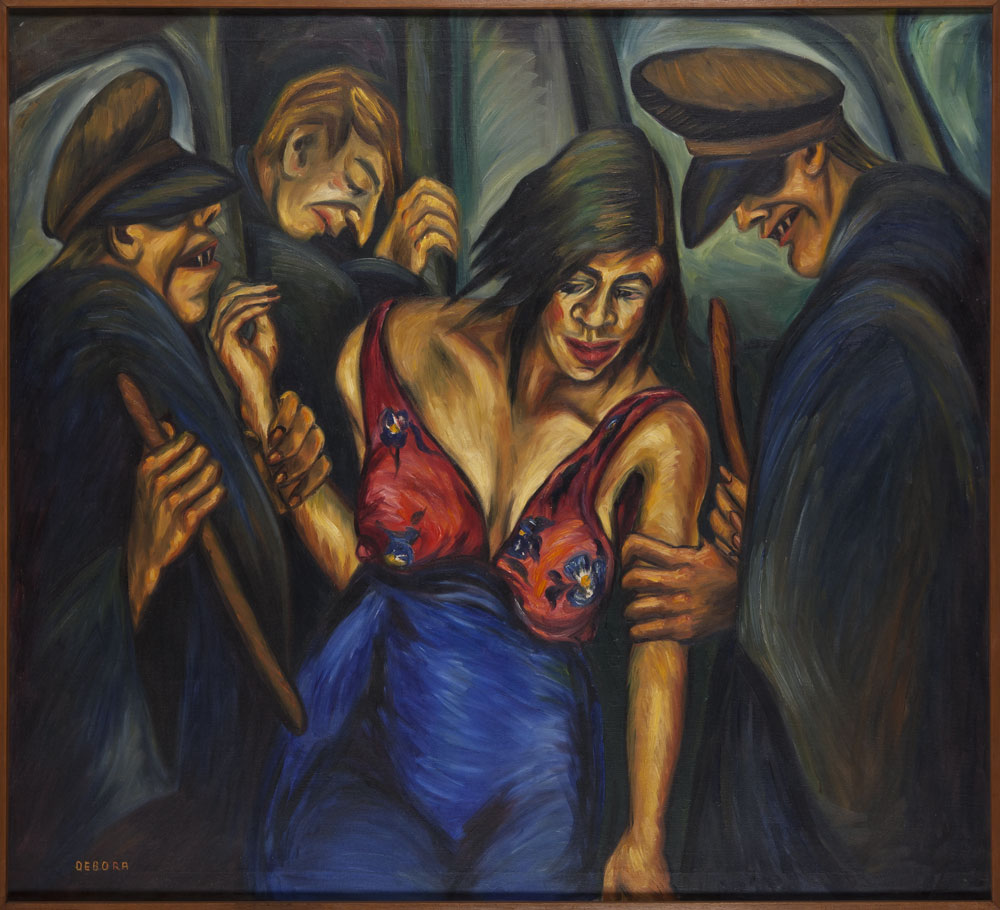
Débora Arango – Justice (c.1944)

Hannah Hoch born 01-Nov 1889
Hedwig Woermann born 01-Nov 1879
Venny Soldan-Brofeldt born 02-Nov 1863
Lois Mailou Jones born 03-Nov 1905
Lilias Torrance Newton born 03-Nov 1896
Charlotte Buresova born 04-Nov 1904
Elena Luksch-Makowsky born 04-Nov 1878
Milena Pavlovic-Barili born 05-Nov 1909
Ann Brockman born 06-Nov 1899
Elsa Haensgen-Dingkuhn born 07-Nov 1898
Sonja Kovačić – Tajčević born 07-Nov 1894
Angeles Santos Torroella born 07-Nov 1911
Elizabeth Sparhawk-Jones born 08-Nov 1885
Emmy Bridgwater born 10-Nov 1906 1999 oa
Lisette Model born 10-Nov 1901
Debora Arango born 11-Nov 1907
Carry Hess born 11-Nov 1889
Magda Langenstraß-Uhlig born 11-Nov 1888
Mary Kessell born 13-Nov 1914
Ekaterina Savova-Nenova born 13-Nov 1901
Sonia Delaunay born 14-Nov 1885
Julie Manet born 14-Nov 1878
Tina Blau born 15-Nov 1845
Miriam Schapiro born 15-Nov 1923
Elisa Counis born 16-Nov 1812
Katharina Sieverding born 16-Nov 1944
Louise Dahl-Wolfe born 19-Nov 1895
Lily Harmon born 19-Nov 1912
Marianne Breslauer born 20-Nov 1909
Angelika Hoerle born 20-Nov 1899
Germaine Krull born 20-Nov 1897
Elisabeth Jerichau-Baumann born 21-Nov 1819
Jeanne Mammen born 21-Nov 1890
Dora Maar born 22-Nov 1907
Bridget Bate Tichenor born 22-Nov 1917
Else Hertzer born 24-Nov 1884
Mary Foote born 25-Nov 1872
Sara Shamma born 26-Nov 1975
Audrey Buller born 27-Nov 1902
Gretchen Wohlwill born 27-Nov 1878
Mabel Alvarez born 28-Nov 1891
Hedwig Marquardt born 28-Nov 1884
Else Wex-Cleemann born 29-Nov 1890
Fridel Dethleffs-Edelmann born 30-Nov 1899

DECEMBER
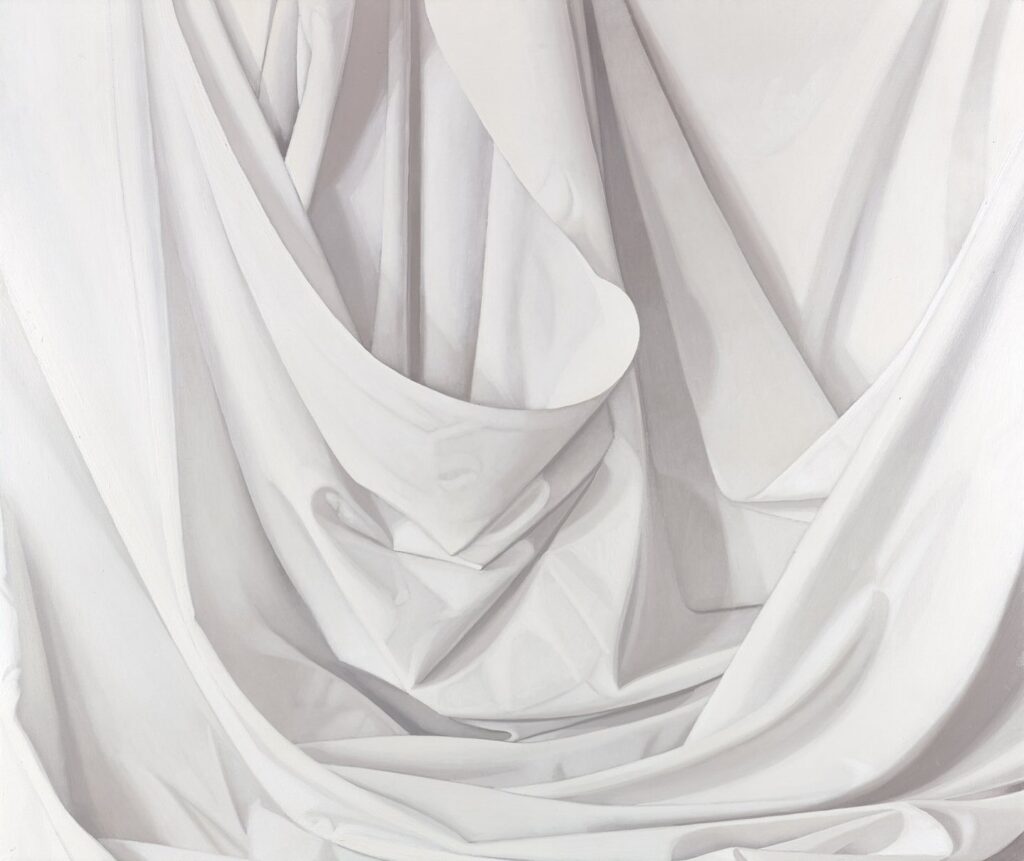
Alison Watt – Alabaster (1998)

Eileen Agar born 01-Dec 1899
Jenny Mucchi-Wiegemann born 01-Dec 1895
Emilie Mediz-Pelikan born 02-Dec 1861
Marion Adnams born 03-Dec 1898
Dorte Helm born 03-Dec 1898
Grace English born 04-Dec 1891
Elfriede Lohse-Wächtler born 04-Dec 1899
Louise Catherine Breslau born 06-Dec 1856
Margaret Brundage born 09-Dec 1900
Louise de Hem born 10-Dec 1866
Zinaida Serebriakova born 10-Dec 1884
Olga Terri born 10-Dec 1916
Irène Zurkinden born 11-Dec 1909
Alison Watt born 11-Dec 1965 alive
Ragnhild Keyser born 12-Dec 1889
Emily Carr born 13-Dec 1871
Alice Sommer born 13-Dec 1898
Aino Bach born 14-Dec 1901
Remedios Varo born 16-Dec 1908
Bertha Wegmann born 16-Dec 1846
Suze Robertson born 17-Dec 1855
Jane Graverol born 18-Dec 1905
Ewa Kierska born 18-Dec 1923
Lucie Cousturier born 19-Dec 1876
Therese Schwartze born 20-Dec 1851
Trude Fleischmann born 22-Dec 1895
Margit Anna born 23-Dec 1913
Luvena Buchanan Vysekal born 23-Dec 1873
Alma del Banco born 24-Dec 1862
Sigrid Maria Schauman born 24-Dec 1877
Dorothy Johnstone born 25-Dec 1892
Ragnhild Kaarbo born 26-Dec 1889
Stella Steyne born 26-Dec 1907
Augusta von Zitzewitz born 26-Dec 1880
Annott (Jacobi) born 27-Dec 1894
Aisha Galimbaeva born 29-Dec 1917
Adela ber Vukić born 30-Dec 1888
Lucile Blanch born 31-Dec 1895
Beatrice Mandelman born 31-Dec 1912
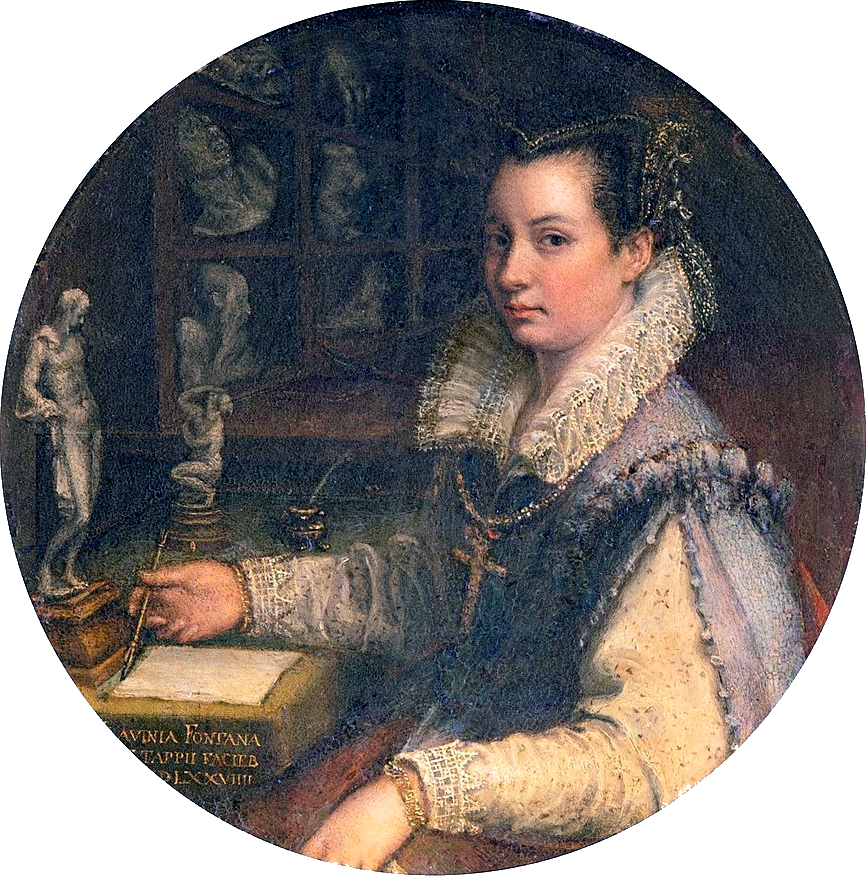

Self-Portrait in the Studio (1579), by Lavinia Fontana, generally considered to be the first professional female artist

real horrorshow

Then there was the close-up gulliver of this beaten-up starry veck, and the krovvy flowed beautiful red. It’s funny how the colours of the like real world only seem really real when you viddy them on the screen.
Now all the time I was watching this I was beginning to get very aware of like not feeling all that well… But I tried to forget this, concentrating on the next film which came on at once, my brothers, without any break at all. This time the film jumped right away on a young devotchka who was being given the old in-out by first one malchick then another then another then another, she creeching away very gromky through the speakers and very like pathetic and tragic music going on at the same time. This was real, very real…
What it was now was the starry 1939-45 War again and it was a very blobby and liny and crackly film you could viddy had been made by the Germans. It opened with German eagles and the Nazi flag with that like crooked cross that all malchicks at school love to draw… Then you were allowed to viddy lewdies being shot against walls, officers giving the orders, and also horrible nagoy plots left lying in gutters, all like cages of bare ribs and white thin nogas. Then there were lewdies being dragged off creeching… Then I noticed, in all my pain and sickness, what music it was that like crackled and boomed on the sound-track, and it was Ludwig van, the last movement of the Fifth Symphony, and I creeched like bezoomny.”  Anthony Burgess – A Clockwork Orange (1962), Penguin Modern Classics, p.70-78

In the twenty or so minutes before I had breakfast this morning, I looked at my phone and saw an armour-wearing police officer in Brussels attempt to assault a peaceful protester who was walking away from him and then saw the officer be knocked out by a less peaceful protester and left lying in the street, I saw a photograph of dozens of dead protesters in Iran in body bags, read a warning (or rumour?) that prisons in Iran are overwhelmed and so the authorities are releasing prisoners after injecting them with some kind of potassium-based agent which causes them to die within 48 hours of their release, I saw a really amazing 1984 live performance by John Cale that I’d never come across before, I saw a moronic incel-type video where a grown man was ‘educating’ young people (you’d assume men, but I think its intended audience was actually young girls) about the “Madonna-Whore complex,” though the presenter either didn’t realise or preferred not to acknowledge that Freud coined the term to describe a psychological disfunction and not to describe the natural state of humankind, I saw a funny old clip of the Young Ones, I saw an artist showing off a powerful and moving new painting, while explaining that their work was being stolen by AI companies, I read horrific details of abuse from the Epstein files, and heard so far unfounded claims about outlandishly horrific things that are imagined to be in the Epstein files, I saw/heard two outstanding actors being subjected to inadvertent racist abuse at the BAFTA awards, I saw old photos of atrocities in the Belgian Congo, a funny clip of Alan Partridge performing Kate Bush’s “Wuthering Heights”, I saw a short video about how Emerald Fennell’s Wuthering Heights film is not like the book and that’s okay and another video about how Emerald Fennell’s Wuthering Heights whitewashes Heathcliff’s ethnicity and isn’t okay, I saw an alarming report about how AI will soon cause a global water shortage, I saw a great old interview clip with the artist Francis Bacon, an AI video purporting to be the sex-trafficker Ghislaine Maxwell enjoying her freedom, a real video of dead children in Gaza, I read details from the Epstein files of a successful plot to replace the British Prime Minister Theresa May, I saw old (but less old than you’d hope) postcards showing lynchings in the Southern United States with onlookers smiling at the camera while a corpse hangs in front of them, I saw a nice old clip of Slowdive performing “Catch the Breeze” in the early 90s, saw horrendous photos of a dead Iranian child killed by the regime there, read an explanation for the slow-of-thinking of why carpet bombing Iran wouldn’t actually help the Iranian people, saw a video of the latest Russian assault on Ukraine on the fourth anniversary of Russia’s invasion of that country, read an ‘explanation’ of why the whole Ukraine war is Fake News, saw a video about how the whole Royal Family is culpable for Prince Andrew’s predatory behaviour, another video about how Andrew’s arrest is an overreaction, footage from this year of a peaceful protester being shot by ICE agents in the USA, a German metal musician telling the crowd at Wacken that his band opposes racism, homophobia and right-wing extremism, heard a prominent extreme right wing politician in the UK stating that only his party can protect the UK from right-wing extremists, saw someone suggest that AI videos of fake sexual abuse might actually be helpful in reducing real sexual abuse, read an explanation of why AI altered videos of women and children is obviously harmful, saw some incredible art by artists who were complaining about censorship on social media sites, saw but didn’t take in lots of stuff about sports, watched a great old clip of Captain Beefheart and his Magic Band, scrolled past what seemed to be disinterested videos about how great AI is, but which were actually advertisements for AI. All of this was of  all of course punctuated by many, many commercials that I didn’t take in enough to remember. It was real horrorshow.

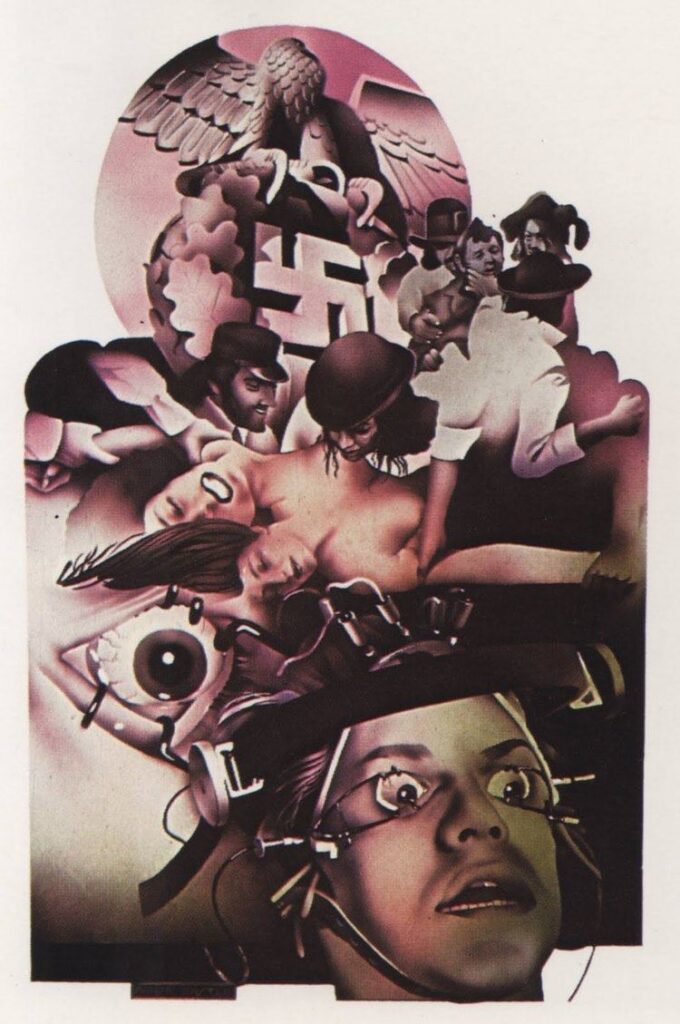
One of artist Philip Castle’s promotional paintings for Kubrick’s A Clockwork Orange (1970)

Unlike Anthony Burgess’s Alex, who is being subjected to the fictional Ludovico Technique, a kind of aversion therapy, I was voluntarily exposing myself to this barrage of beauty and horror, and also unlike him I was free to stop it whenever I wanted to, which doesn’t of course prevent one’s brain from processing it – you can’t unsee a picture any more than you can un-ring a bell. A Clockwork Orange was written at the beginning of the 1960s, at the tail end of the 1950s paranoia about the way the media – meaning in those days mostly cinema, magazines and pop music – were fuelling juvenile delinquency. That paranoia exacerbated the generation gap which had already been made more prominent by the dividing line of World War Two. A reading of something like Hamlet suggests that there’s always been a generation gap, but it was in the 50s and 60s that it became a permanent, deliberate and indeed lucrative feature of western consumer culture.

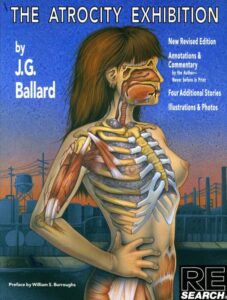
In 1970, the year that Stanley Kubrick’s film of A Clockwork Orange was released, one of Burgess’s peers, JG Ballard wrote The Atrocity Exhibition. Nothing about social media in 2026 would have surprised Ballard. If A Clockwork Orange was partly the product of society’s fears about rock ‘n’ roll, beatnik culture youth violence and communism, The Atrocity Exhibition was incubating during a period of widespread concern that a generation of young people was growing up seeing unfiltered images of the horrific events of the Vietnam War, intercut with commercials and entertainment features as they ate their breakfast every morning.

JG Ballard’s experimental novel The Atrocity Exhibition

That was unprecedented – nearly everything is generally unprecedented it seems – and the fear was that, on the one hand these children would grow up inured to violence and horror and unable to differentiate between reality and entertainment, and on the other that their daily intake of atrocities was unconsciously being absorbed in a way that would eventually manifest itself as generational trauma. That was a natural concern at a time when it had only recently become acknowledged that World War One had left scars not just on those who survived it, but the whole of culture, and when the unprocessed horrors and consequences of World War Two were leading to a rise in neo-Nazism alongside a trivialisation of actual 1930s Nazism. Trauma begets trauma and trauma never ends, it seems, and that Vietnam experience has become the normal way of things in the social media age. The fact that some of the most powerful men in the world belong to that war-and-breakfast generation may or may not be relevant to where we are now.

So is my pre-breakfast bombardment a bad thing? Who knows, but it doesn’t seem like it could be a good thing. As Martin Amis wrote, when the (really quite tame) schlock horror movie Child’s Play 3 was being implicated in two different murder cases, “It’s nothing to boast about, but there is too much going on in my head for Chucky to gain much sway in there. Probably the worst that Chucky could do to me is to create an appetite to see more Chucky, or more things like Chucky.” He goes on to say that in the case of people already predisposed for whatever variety of reasons, to commit murder, “Chucky is unlikely to affect anything but the style of your subsequent atrocities.”* That seems right; the problem with seeing atrocities day in, day out isn’t that it wants to make normal people commit them. It is very depressing though. And the thought that my wearying daily experience might be – probably is – mirrored in the life of a deprived or abused child with nothing to look forward to but more deprivation and abuse is deeply unsettling.

*Martin Amis – The War Against Cliché (2001), p.17.

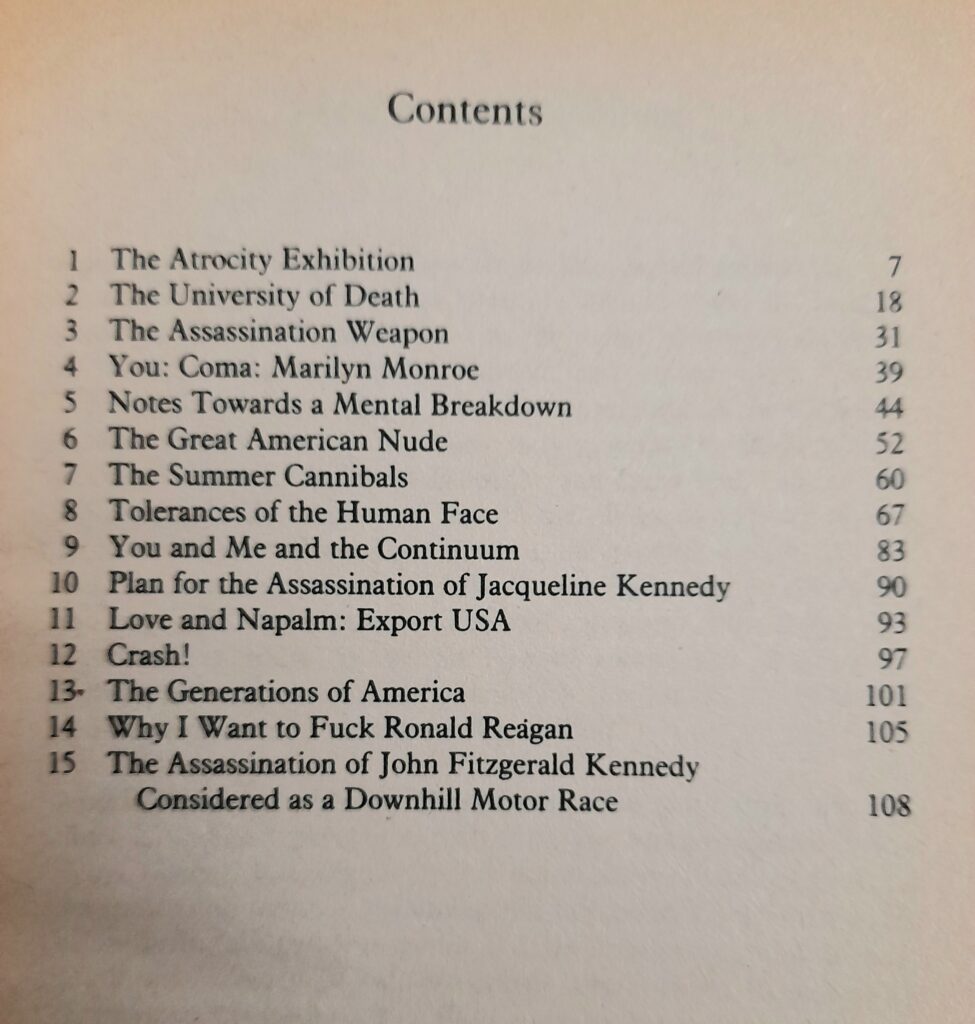
The Atrocity Exhibition contents page, the experience of scrolling through social media embodied in satirical poetry

So why do it? Partly conditioning I suppose; in my case my morning look at social media not doom-scrolling, though I’m as guilty as anyone of periods of that. In A Clockwork Orange, the presence of Beethoven’s music – the only thing that Alex uncomplicatedly loves – appearing in the films that make up his therapy is an unfortunate coincidence, but in my case the nice things – the songs, the interview and comedy clips are there because they are the kind of things I consciously search for and the algorithm that wants to keep me there therefore supplies more of them. And it fills the gaps with whatever people I follow are talking about – Iran, Gaza, copyright infringement – and whatever its owners want to push at any given moment. Which right now, seems to be right-wing politics, salacious conspiracy theories and AI.

It feels like there should be some conclusions to be drawn from all this, but I don’t know what they are; maybe it’s too soon. But it seems deeply ironic that something very close to what was envisioned sixty years ago as an extreme and inhumane form of aversion therapy should be willingly engaged in by millions of people as part of their daily routine. When Anthony Burgess gave his sociopathic but jovial teenage narrator the slang term real horrorshow to denote enthusiastic approval he knew what he was doing.

goodbye 2025 – the year in review

I didn’t make any concrete resolutions last year, but I did intend to be more productive in my writing, and I did at least achieve that, if nothing else. I wrote around a hundred reviews and features of various kinds, mostly for Spectrum Culture, but I also wrote far more for my own site than last year and even a few bits of fiction, very rare for me these days. After 2024, when the posts on my website were sparse, weird, very personal and mostly pretty miserable, I deliberately wrote more regularly, even when I had nothing special to say, with – as you’d expect – mixed results. I probably covered a wider (and more random) variety of things than usual, and I think more of what I wrote was inspired by current events than usual – a very mixed bag, but I still like some of them. So, here are the first 6 months of the year, interspersed with random thoughts that were written down but never ended up being incorporated into anything:

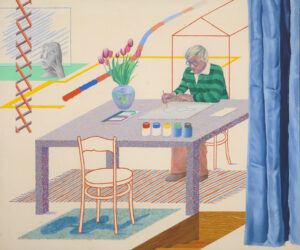
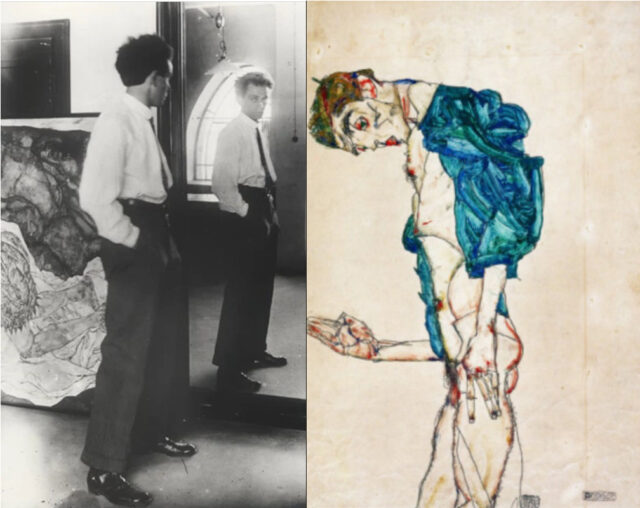
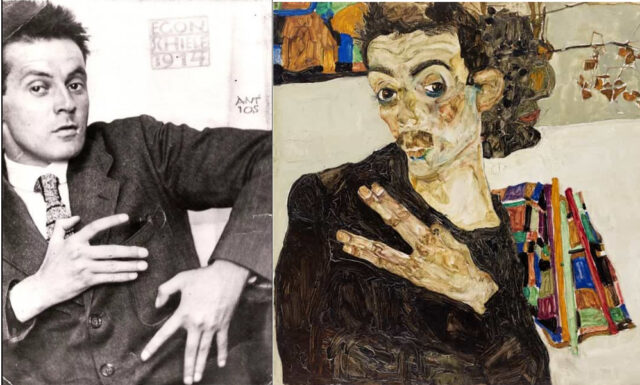
I started the year thinking about identity, art and photography via Egon Schiele & David Hockney, which was kind of light-hearted and fun.

Unrelatedly, I used the Cornell Labs’ Merlin Bird ID app a lot this year, and I recommend it; it’s really nice. Although I grew up in the countryside I somehow never picked up any but the most obvious birdsongs (likewise there are only a very few trees I can recognise from their leaves) and it’s fascinating and very endearing to discover what the birds around you are. It also had the unexpected side effect of making me realise just how much man-made noise we put up with in the modern world, almost all the time. Even on quiet country lanes in rural Scotland with minimal traffic it’s amazing what can impede hearing the birds. Distant trains, planes, farm machinery, bikes and especially cars all interfere with the sounds of nature. I’m not really complaining, but it’s amazing how a passing car – which normally I’d barely notice the sound of – suddenly seems violently noisy when you and your phone are straining to hear the cheeping of tiny unidentified brown bird. Ah well.

At some point early in the year I was thinking about childhood and the relationship between involuntary dreams and apparently conscious daydreams, among other things. Regarding childhood, something that – quite rightly – didn’t make it beyond a quick note is that apparently I was thinking about how, in the Transformers franchise the bad guys’ name is (or was when I was a kid, I’ve not seen any of the movies etc) Decepticons; and the badness is clearly built into the name, not just deception, but con as in opposition. But oddly, their enemies, our heroes, are far more ambiguous: they aren’t therefore called “Honestpros” (which would be kind of hilarious) or even “Herobots” or something similar, but just Autobots. But what’s ‘Auto’ about them? Automobiles, presumably, but so are some of the Decepticons. And some of the Autobots could just as relevantly be called Plane-o-bots. And really, the good robots are technically deceptive in the exact same way as the bad ones. Maybe teaching children that villains are easier to recognise than heroes was deliberate on the part of a toy manufacturer – but to what end?

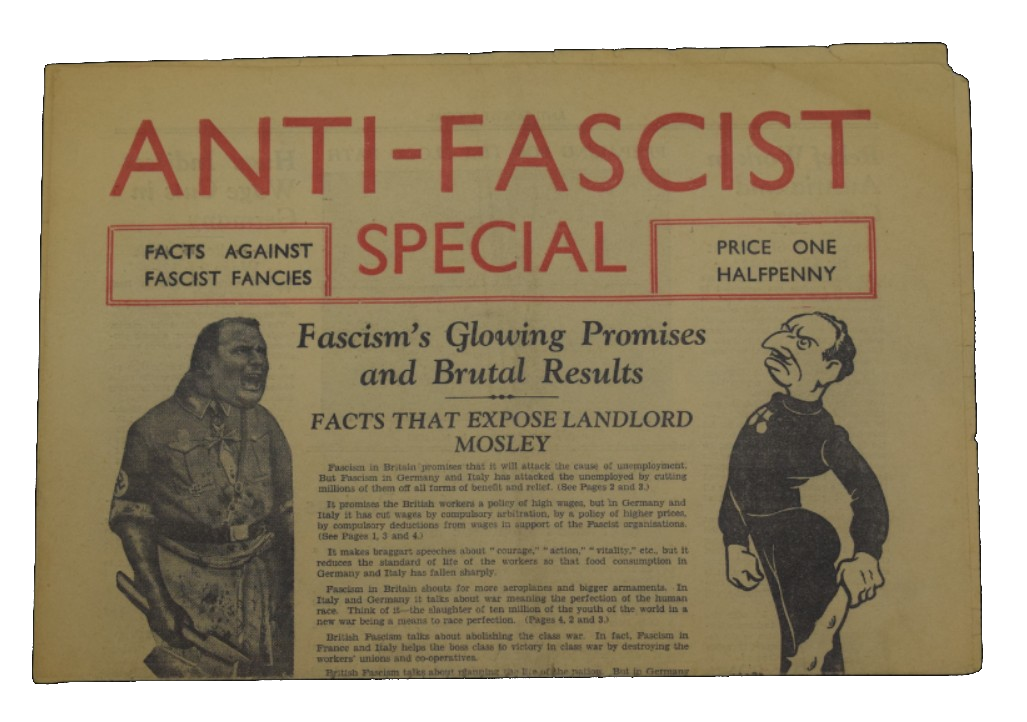
Speaking of villains, in February, the subject of fascism became inescapable and I wrote about it; fascism and culpability and fun stuff like that. I don’t think it was all that grim really, but for a bit of light relief, presumably, I ended up writing about the death penalty, with reference then-recent events, but also the core idea of the death penalty, my feelings about it and the logic behind it. It turned out to be one of the most read things I wrote this year and I think one of the most complained about too, but you can’t please everyone.

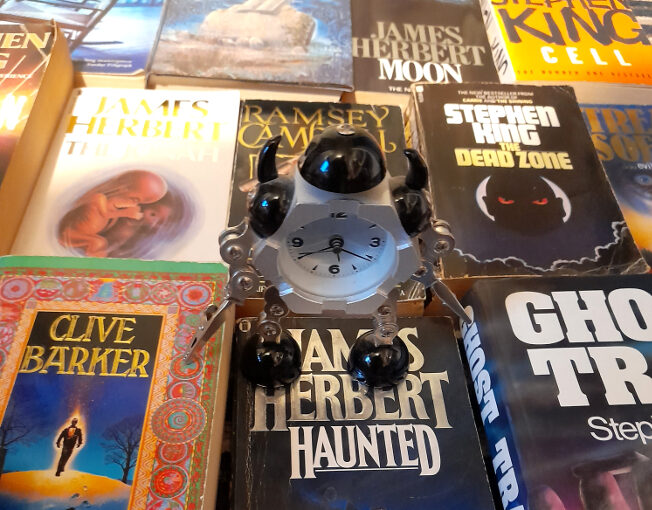
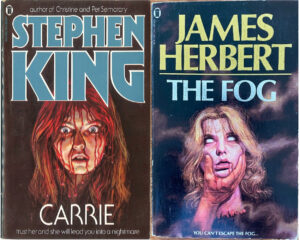
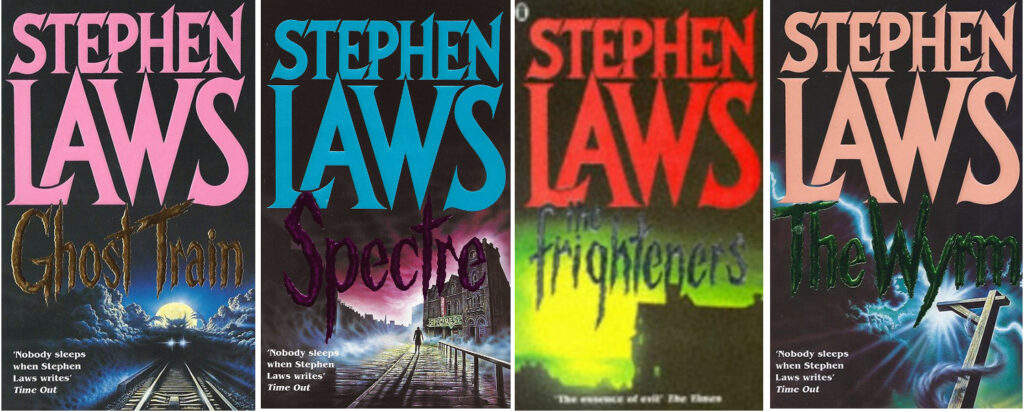
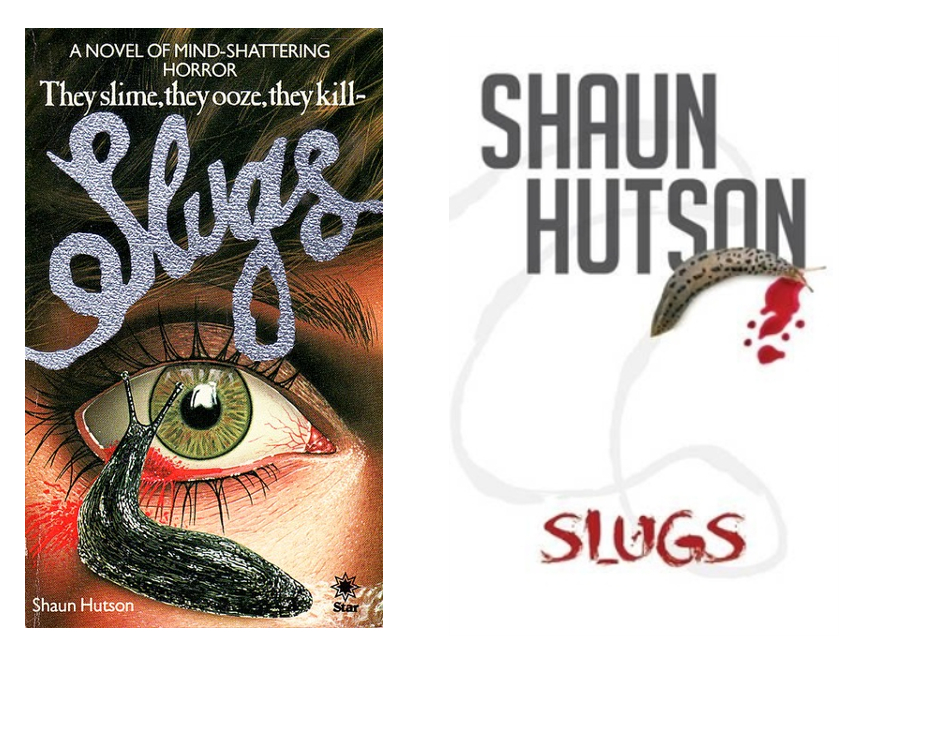
As an indication of the way the year was going, when I really did write something for light relief, it was about horror fiction. Specifically, it was about the way that, as with everything else in the 80s, success was the motivating factor for how the genre shaped itself, with the biggest successes, notably writers like Stephen King and James Herbert being the models, not just for other writers, but for the way publishers promoted horror in general.

But wallowing in even complicated nostalgia proved difficult as – just as in 2016 – events across the Atlantic began to poison the political discourse of the whole world, including the UK. I wrote specifically about the advance of reactionary assholism (a technical term) in British politics here – and I suppose inevitably, it was another of those articles that some people disliked enough to tell me so. Shortly afterwards I was writing about another topic that’s often represented as divisive, so I tried to make it as simple and clear as possible, boiling it down to the most simple ‘are war crimes bad?’ terms, but of course it proved to be arguable after all. But I suppose everything is, if one likes to argue.

In May my mental exhaustion must have reached a peak because I just put out some scattered notes, some of which I found quite funny – but I was more myself again shortly afterwards, tracing the rarely recognised links between George Orwell, the 80s kids’ TV show Grange Hill and topless modelling. Similarly connections-focused, I ended the summer thinking about the relationship that professional historians have with the historical periods they specialise in and how that can be fun and kind of goofy in a nice way, but how it also mirrors the study of history with all of its complications and problems.

Some time in the summer I came across a different translation of Kafka than the one I was familiar with and wrote one of my favourite things (of mine) of the year. But I wrote it in such a hurried fit of enthusiasm that every time I’ve gone back to look at it I’ve found stuff to fix and clarify and (always) sentences to make shorter. It’s a strange mix of Kafka, ancient poetry, religion and Rolf Harris but I think it reads okay at present…

There were many celebrity deaths (must be a better way of putting that) this year, but one of those that affected me the most was Ozzy and for reasons you’d think best known to myself I didn’t so much write a eulogy as a strange thing about Ian Curtis and Joy Division, Ozzy, Black Sabbath and the tenuous ties that bind them, or bind them to me.

In August, world events were getting me down (a strong theme this year) and so were the lukewarm responses of the British political establishment when asked to comment on those events. Doing nothing and saying nothing of substance is a political choice, but judging by what I wrote I’d prefer open malignancy to polite inaction. I’m not sure that’s really true but sometimes anything seems better than being non-committal.

As the summer soured into autumn (generally my favourite season) I’d been thinking about and writing about what home means and the feelings of belonging that do or don’t go with it, but events in the UK soured that too and the thing I eventually wrote had far more about flags in it than I’d intended, and Philip Larkin, and Morrissey, if that makes it more tempting?

In the autumn I also started this substack with the intention of writing different kinds of things (mostly art history) but as soon as I wrote the first substantial piece for it – about why I write, it ended up just being more of the same, though often written more quickly and less considered and/or developed. Which doesn’t seem right but at some point I’ll try to establish some kind of order, probably.

One of the articles that made it on to both platforms (in slightly different forms) was again the result of a celebrity death (Robert Redford) but this time I didn’t even pretend to pay tribute to him (though there were lots of good reasons to do so) but instead wrote some kind of meditation (to put it pompously) on innocence, whatever that means. Reading it again, it feels more sad than I realised at the time

Come October, the burning of the Reichstag was, ominously, a common topic of discussion, so I wrote, not about that exactly, but about its scapegoat and presumed perpetrator, Marinus van der Lubbe, who turned out to be a far more important figure than he or anyone who met him would ever have suspected. It’s another melancholy kind of article but the title obscurely pleases me.

Within days of writing semi-elegiacally about Marinus van der Lubbe I was bemoaning the fact that powerful and sinister nerds are (to paraphrase Alan Partridge) getting Tolkien wrong. Well not really that, it’s about lots of dread-inducing developments, but Tolkien is in there too

Belatedly remembering my intention to use substack for my art historical pursuits I made a revised, two-part article out of something I wrote a few years ago, which wrestled with separating art from artists, whether there are right or wrong reasons for liking a work of art and related topics: come for the Malevich, stay for John Wayne Gacy and Hitler – it was fun to write, especially because the Nazis and psychopaths it mentions have been dead for years and aren’t involved in current events.

As we approached Halloween I wrote/revised an article about the way that those who seek to censor the (specifically) female body online and in traditional media in order to ‘protect’ people from nudity want to not have their cake but eat it anyway; or something like that.

Still in October, which seems to have been crazily long this year, nationalism and belonging was still on my mind, because still in the news. Looking at the ways that a belief in nationalism and an interest in history intertwine and are sometimes mutually exclusive was more interesting for me than for anyone else it seems; but it still is interesting to me

I rounded off October with something both more light-hearted and more substantial – examining various fictional dystopias and holding them against the big tech-led present up to see which fits the best, with literally comic results. But I said goodbye to the autumn by writing something about Guy Fawkes, which was very enjoyable, so that was nice.

Shortly afterwards, I prepared for the new season of Stranger Things by pre-emptively whining about the formulaic & predictable nature of that kind of popular entertainment (not entirely true, there’s some fun stuff in there about Mad Max, Highlander & Alien, etc). I haven’t finished the new season of Stranger Things yet and so far I’ve not been surprised, but there’s still a chance!

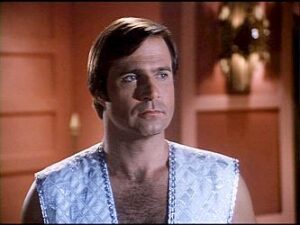
goodbye Gil Gerard

More recently, I wrote a couple of short, sad pieces about two of the celebrity deaths that affected me most this year, Mani from the Stone Roses and Buck Rogers (well, Gil Gerard but he’ll always be Buck to me).

Which brings us up to date, barring a few typical (but I hope fun) end of year roundups. And so there we are. See you next year. Hopefully for more fun, creativity and success and less fascism, slaughter and prejudice. But I’ll leave it at that, don’t want to jinx it.

as the first quarter of the century draws to a close…

…it’s time for another annual roundup. Participating in end of year ‘best of’ lists is fun, but as my previous few ‘albums of the year’ features for this site (each probably more perfunctory than the last) and this essay on my substack illustrate, over time I’ve found the idea of the best [thing] of the year less and less relevant, not because the things aren’t good but because it doesn’t really matter that they came out this year. There’s a reasonable chance that I haven’t even heard my favourite album of last year, or of 2015 or of 1981 yet. My most listened-to artist of 2025 was probably Kevin Ayers, dead for over a decade now, and my most watched films and TV shows and most read books even more zeitgeist-resistant.

But here are a few things and thoughts anyway.  My favourite new albums of the year included several I reviewed for Spectrum Culture, including:

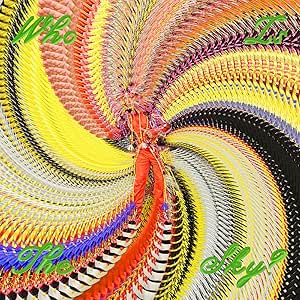
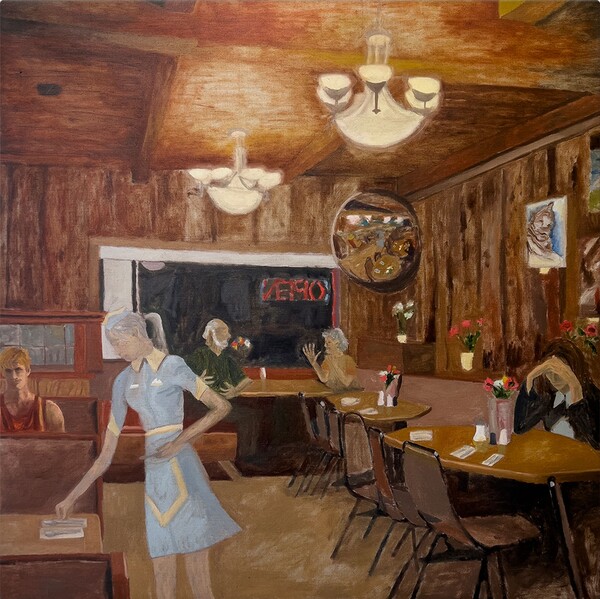
a cover as horrible as the album is pleasant

David Byrne’s Who is the Sky? More modest, more personal and more enjoyable to me than American Utopia, though I understand that it seems less ambitious and therefore less impressive in a way.


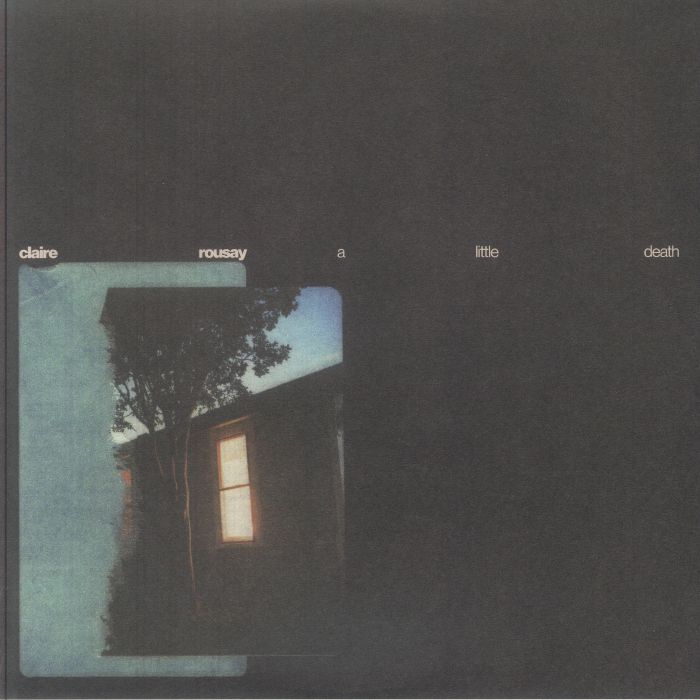
a suitably enigmatic cover

Claire Rousay – a little death – sometimes blurring the boundaries between music and just sound, I thought this was really arresting and intimate and moving but hard (as you see) to write about well.


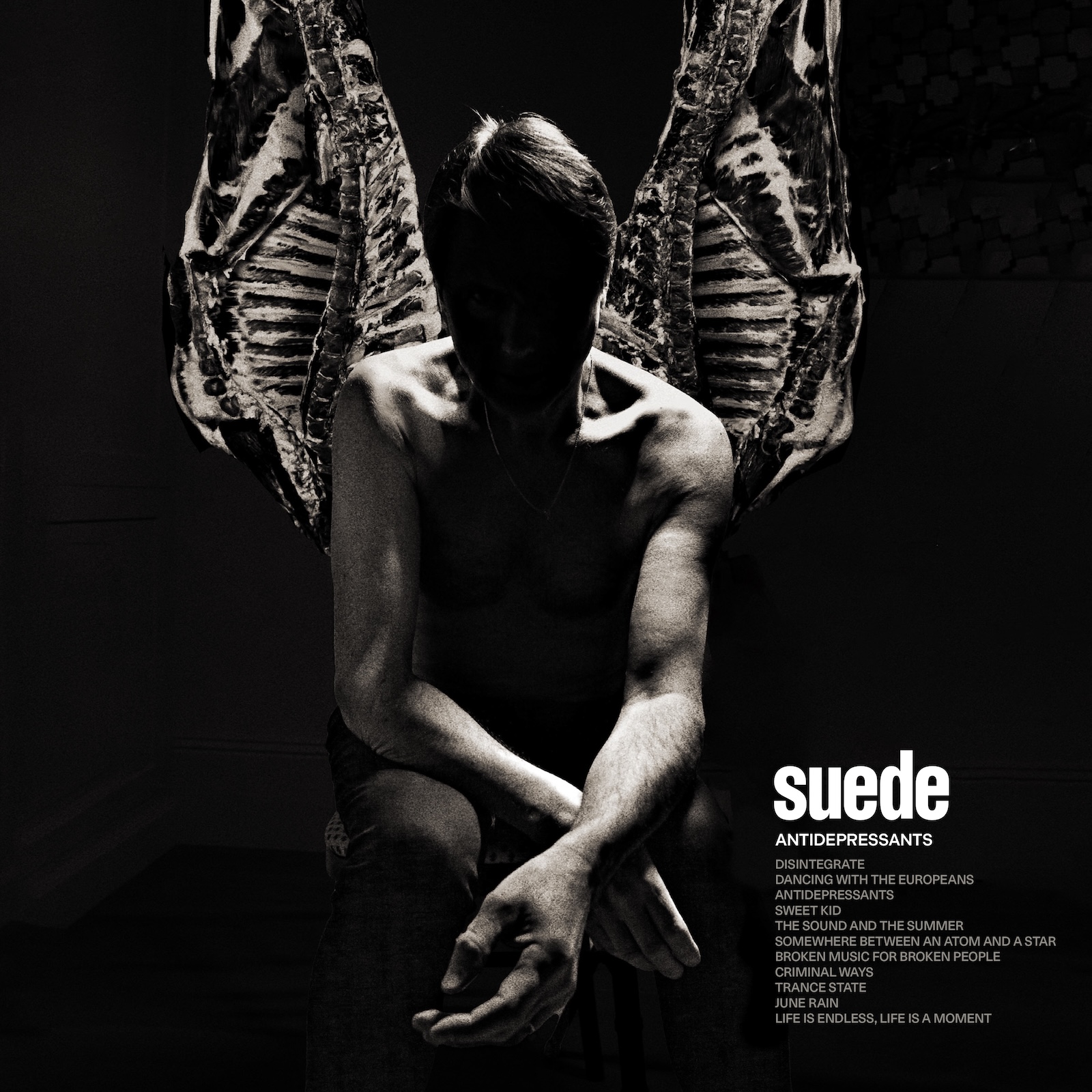
a perfectly Suede-like cover

Suede – Antidepressants – Suede in 2025 are not central to my musical life like they were in 1993 and therefore Antidepressants did not have the impact that Suede did (or at least that I expected it to; in fact I only loved about half of it), but it’s is probably a better, deeper and more rounded – and certainly a more consistent album than Suede was, even if the high points are less iconic


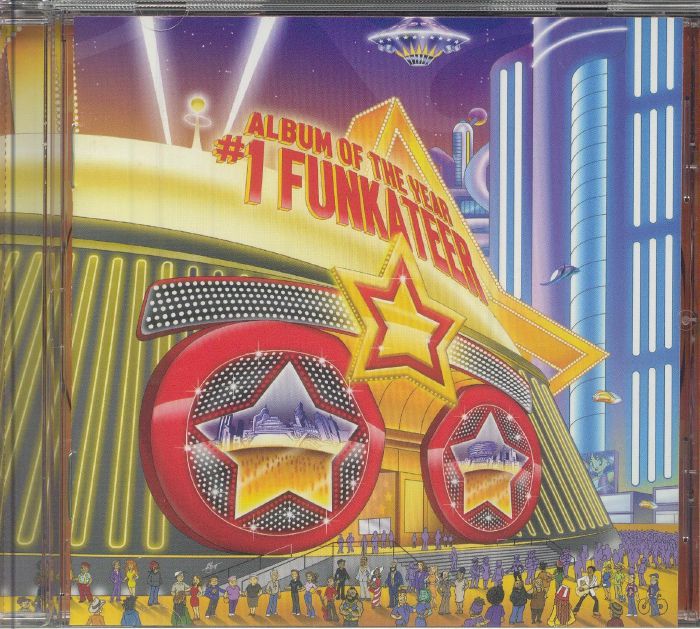
Bootsy; business as usual

Bootsy Collins – Album of the Year #1 Funkateer – this was sprawlingly creative, fun and of course funky. The P-funk style that made Booty’s name seems fundamentally 70s but here he slips it over the top of the idioms of the 2020s and it fits like a glove with no hint of ‘retro’


I didn’t write about these next ones for Spectrum Culture, but they are up there with my favourites of the year too:

Ghost WorldArmadillo Café – So far Ghost World haven’t (for me) surpassed the music of their first two albums, Ghost World and Spin, but repeatedly putting on Armadillo Café while consciously ignoring the fact that it’s a concept album about a café, it turns out to be another collection of idiosyncratic and loveable indie pop songs. The concept is fun but detracts from rather than strengthens the quality of the individual songs.

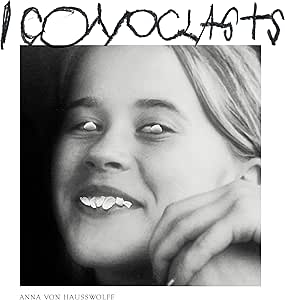
Anna Von Hausswolff – Iconoclasts. I wouldn’t say Anna Von Hausswolff goes from strength to strength; she’s always been great – but her work remains consistently interesting, challenging and gripping and Iconoclasts pretty much picks up where 2018’s Dead Magic left off, but absorbing rather than sidestepping the sombre majesty of her 2020 instrumental album All Thoughts Fly. Basically, she makes the kind of music you’d hope someone with the name Von Hausswolff would make.

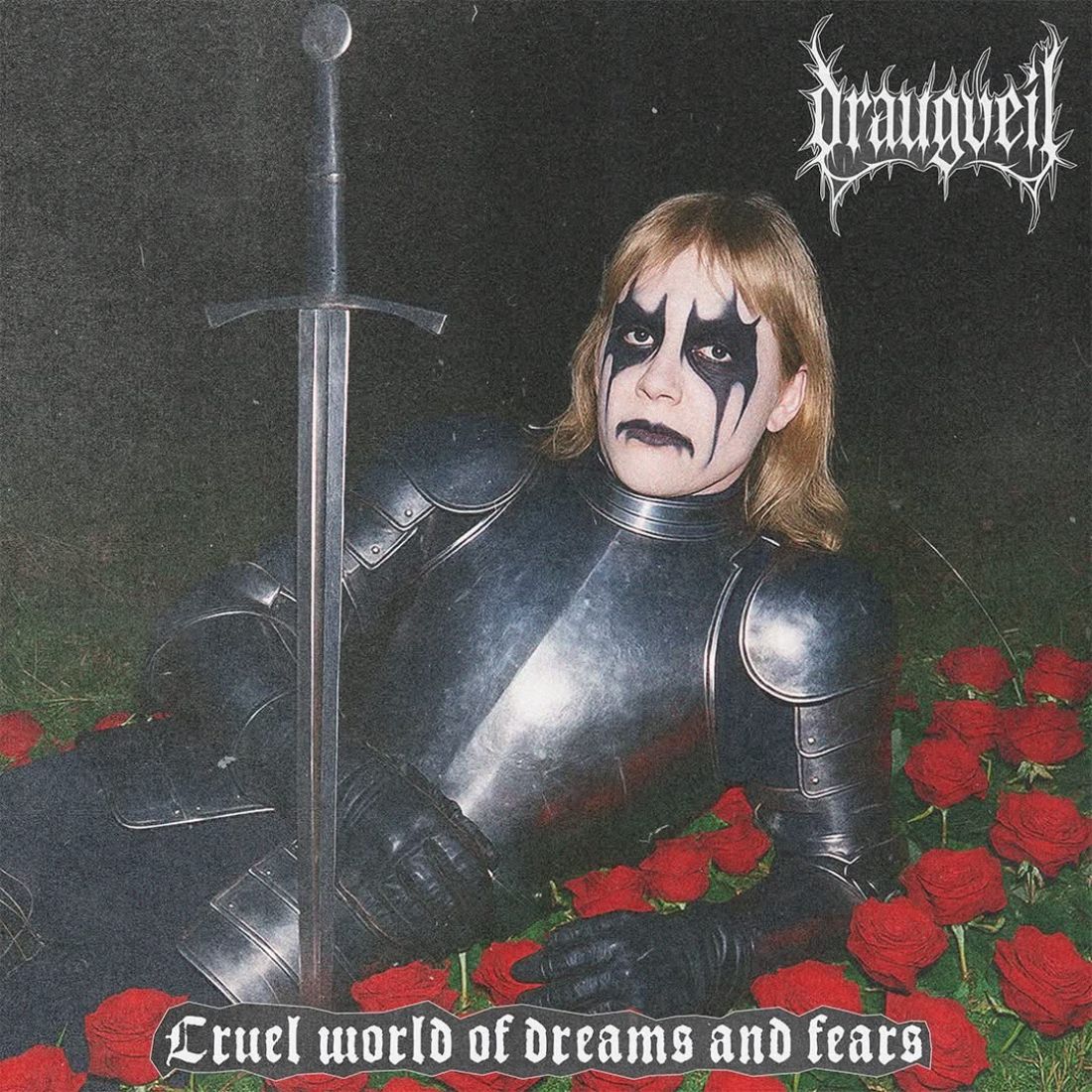
Draugveil: gesamtkunstwerk

Draugveil – Cruel World of Dreams & Fears – I haven’t had to listen to a lot of black metal for work this year, which ended up rekindling my love for the genre and especially its typical, rather than outstanding or experimental adherents. The promotional material for the latest release by Ukrainian one-man project Draugveil release promised “A new era of romanticism, love and death…” and the album artwork shows him resplendent/despondent in corpsepaint and armour – the exact kind of objectively absurd thing that invites mockery from both inside and outside of the metal world; and I love it. Keats wrote that he was “half in love with easeful death…” but the romanticism of death that was such a notable part of the culture of the 16th, 17th and19th centuries lost its traditional allure post-World War One and at some point in the intervening years has become seen as kind of an adolescent trope, but why not? The songs on Cruel World of Dreams & Fears have titles like “Beneath the Armor I Rot”, “Wolves Feast on Forgotten Dreams” and “My Sword Points to the Past”* – and the tunes are likewise a mixture of yearningly romantic and crushingly doomladen and anguished. I have the feeling that, like the Smiths, but to the power of ten, this is the kind of thing that people either just respond to or really don’t. “Beneath the Armor I Rot” is the “Girlfriend in a Coma” of black metal; possibly immature, patently ridiculous, but irresistible, if it happens to be your cup of tea.

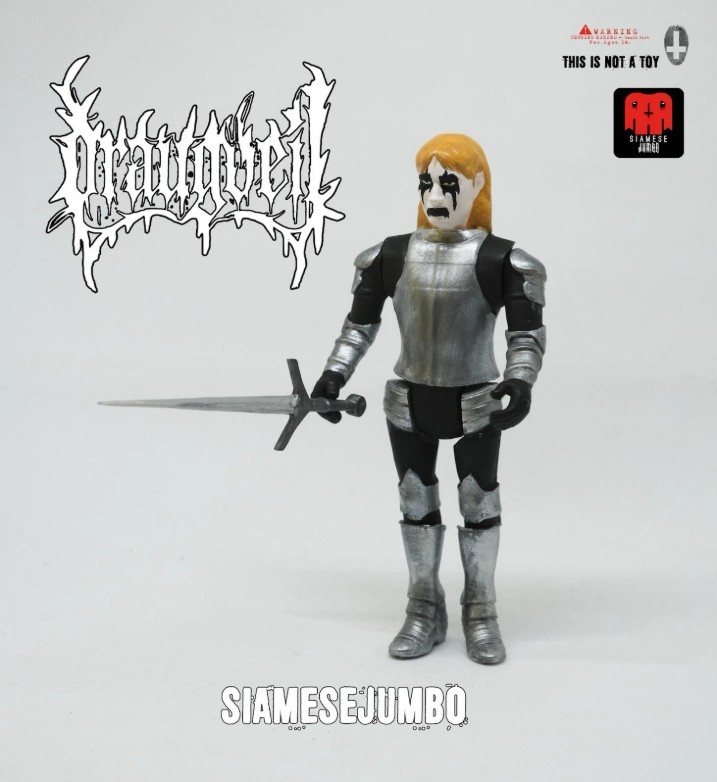
Interesting side note: some genius has perfectly gauged the kind of fanbase Draugveil is likely to appeal to and produced an action figure. Too pricey for me but entirely desirable.

* these titles make me think of an old Fry & Laurie sketch where a teenager writes a poem called “Inked Ravens of Despair Claw Holes in the Arse of the World’s Mind” – which kind of proves my point about the adolescent-ness of thanatophilia(?maybe the right word?) but I’ve remembered that title since I was at high school, which probably means something too.

its existence pleases me

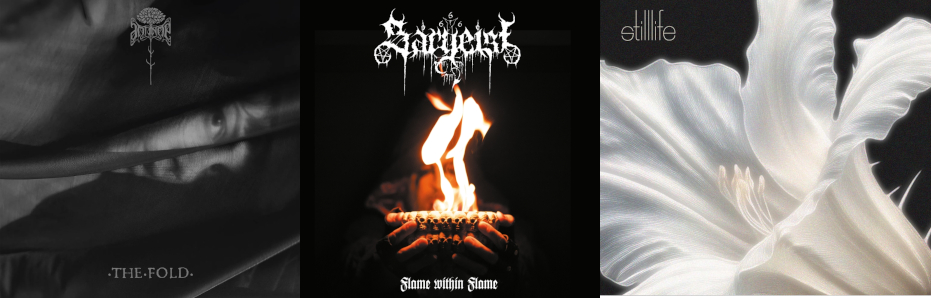
Honourable mentions that I like almost as much as the above but have run out of the will to write about include Kariti’s lovely album Still Life, the beautiful and deeply enigmatic album The Fold by Antinoë, which I’d recommend to anyone who likes the Anna von Hausswolff record and Sargeist’s Flame Within Flame, which is black metal with much of the absurdity drained out and replaced with venomous energy.

One of the discoveries of the year for me was podcasts – obviously I knew they existed, but I’d rarely been tempted to check them out. It turns out that mostly they aren’t for me, but there are a few I really like and one I love. That one is Origin Story, which I came to because I loved Ian Dunt’s brilliant 2021 book How to be a Liberal. The point of Origin Story, a podcast by Dunt & Dorian Lynskey (more below) is to “explore the hidden histories of the concepts you thought you knew.” It’s general focus is socio-political I suppose, but it takes in subjects as varied as zombies, comics, George Orwell, economics, history, etc etc (the latest season was a history of socialism) which you might think could be quite dry, but in fact is exciting, funny and entertaining; love it. Other favourites are Katie Hessel’s The Great Women Artists, Mark Kermode’s Kermode on Film and the Time Team podcast

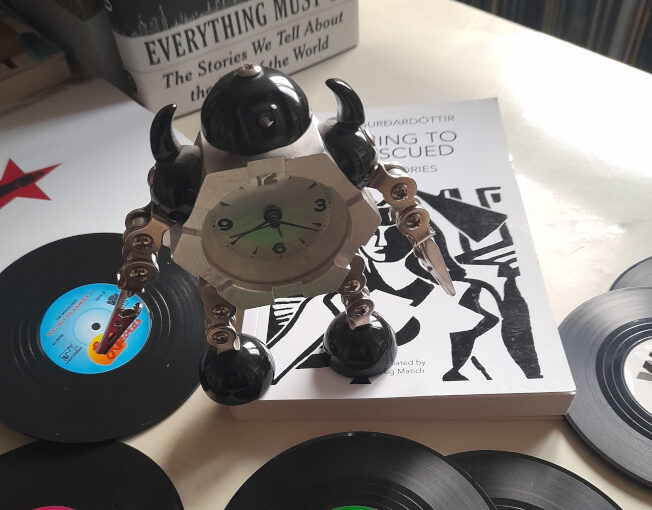
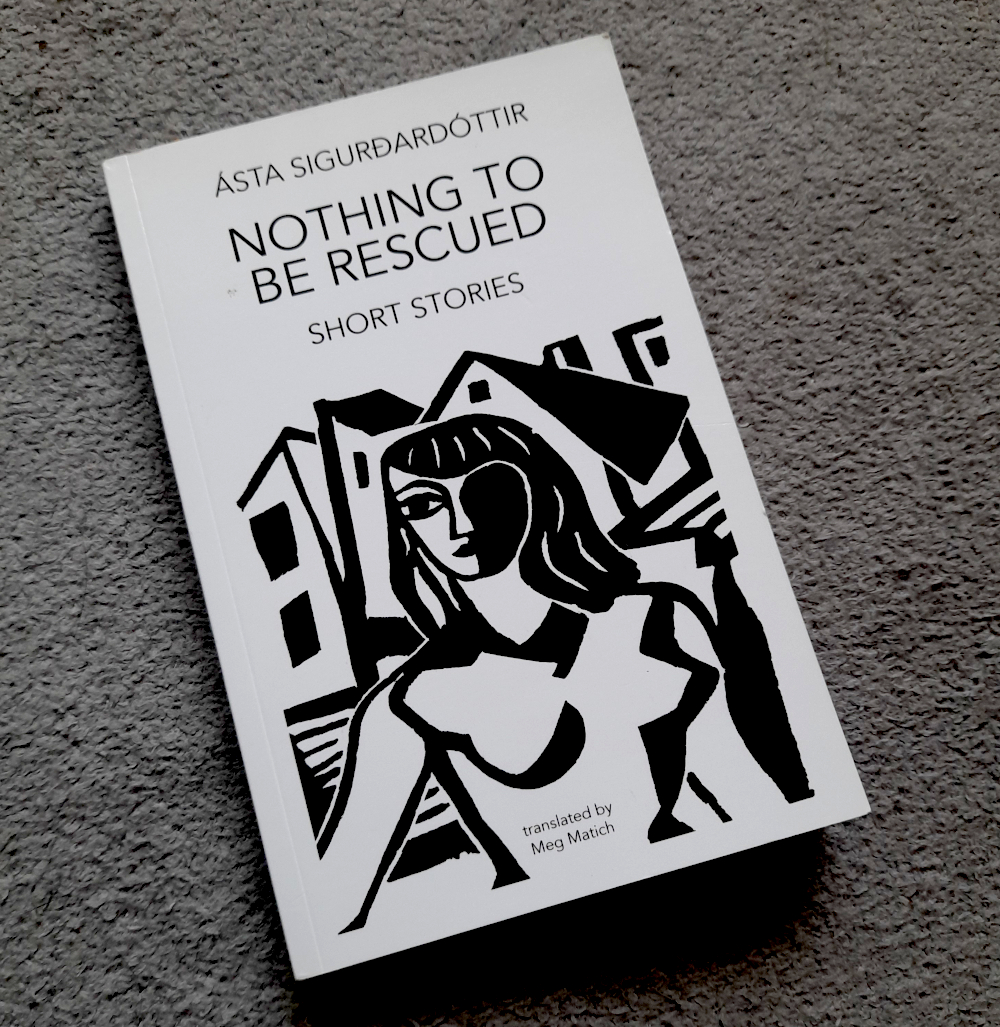
With books – unless, presumably, one is a publisher or a more than occasional book reviewer, the ‘of the year’ part is even less relevant. As it happens, I did read one book published this year that I thought was outstanding – Dorian Lynskey’s Everything Must Go – The Stories We Tell About the End of the World which I reviewed here and chose here, but I read many other books whose publication dates I’d have to look up. Most recently, I loved Nothing to be Rescued, a collection of sad and bitter short stories by Ásta Sigurðardóttir, a 2025 discovery for me, but Ásta died in 1971 and most of the stories pre-date her death by a decade. Even this collection, translated into suitably stark but beautifully readable English by Meg Matich, and which features Ásta’s own illustrations, is a couple of years old already. But just as the music that sounds best this year will sound the same next year, these stories, which have already outlived their author by more than half a century will continue to feel just as vivid and alive…

Onwards! because where else is there to go?


some kind of loss

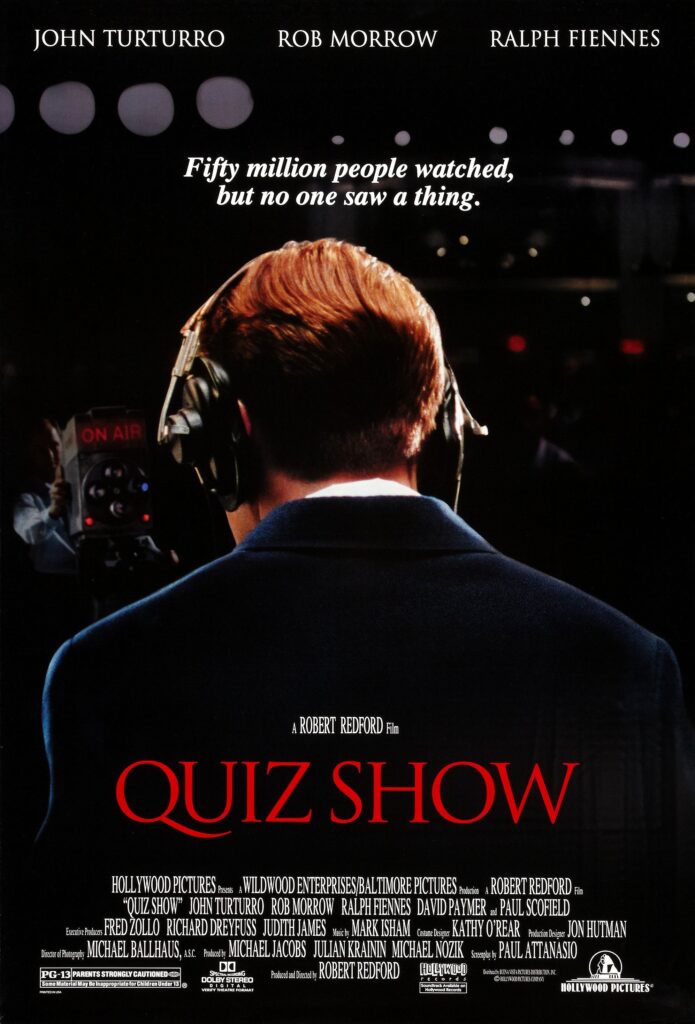
I remember when Robert Redford’s 1994 film Quiz Show was released, much of the publicity focussed on the idea that a relatively everyday scandal – the discovery in 1957-8 that a popular TV quiz show was rigged – marked the loss of the USA’s innocence. At the time, 20-year-old me could not have been more scornful. The idea that the innocence, whatever that meant, of 160+ million American citizens had somehow survived the relatively recent dropping of two atom bombs on civilians, the uncovering of the Holocaust, the filmed and widely publicised Nuremberg Trials, ongoing racial segregation and lynchings (Emmett Till, the last lynching victim recorded by the Tuskegee Institute – though not the last lynching, by a long way – was murdered aged 14 just three years earlier), the fighting of a war in Korea under the pretence of a ‘police action’ and the rise of and eventual disgust with McCarthyism; had survived all that, but that the scales then dropped from their eyes and the foundations of their way of life began to crumble when it turned out that the things they were offered as entertainment turned out to just be entertainment and not some kind of bastion of morality and fairness seemed laughable at best.

Quiz Show (1994)

I can still see my younger self’s point of view; it doesn’t take much consideration to realise that innocence, whether on a personal or a societal level, is a dangerous fetish. And innocence itself is less often a real state and more often an illusion or chimera – or just a point of view. It’s at best a slippery concept, whose opposite can be either guilt, corruption or just experience, none of which are precisely the same thing. The final verse of Philip Larkin’s 1964 poem MCMXIV about the outbreak of World War One half a century earlier, is justly famous and has a kind of intuitive truth to it:

Never such innocence,
Never before or since,
As changed itself to past
Without a word – the men
Leaving the gardens tidy,
The thousands of marriages,
Lasting a little while longer:
Never such innocence again.

Philip Larkin, ‘MCMXIV’, The Whitsun Weddings, Faber & Faber, 1964, p.28

enlistees in London at the outbreak of WW1 (Imperial War Museum)

Truth, because we know now (and Larkin knew then) what the young men lining up to enlist in the army in 1914 didn’t; that they were about to enter a modern world entirely different from the late Victorian one that they had grown up in. But illusion too, because the horrific brutality of WW1 was new only insofar as the people facing the onslaught of modern weaponry were white. There is the scale of it too; but though tanks, explosive shells and machine guns firing 500-600 rounds per minute created unprecedented levels of slaughter, the question of whether two sides using such weapons against each other is ‘worse’ than people armed with guns attacking people armed with spears or swords or bows and arrows is one that doesn’t seem worth answering. It’s probably not un-worse at least.

Even leaving aside the Imperialism of the WW1 combatants and the fact that they voluntarily signed up for it, the innocence of the Britain that the enlistees were queuing up to leave was dubious at best. The previous few years had been marked by the fight for women’s suffrage with the brutalities and indignities wilfully inflicted on suffragettes by the authorities, not to mention (the usual) grotesque levels of poverty and inequality; there is more than one reason that so many young men were keen to join the army.

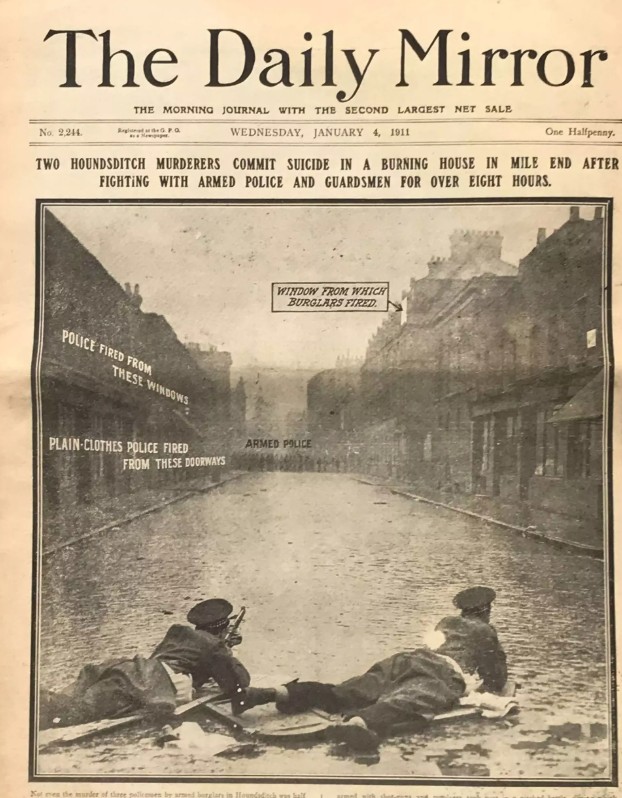
Even on a smaller and more localised scale, early 20th century Britain was full of strangely archaic, Tintin-like episodes that also seem to have a quaint kind of innocence now which they definitely didn’t have at the time and wouldn’t have had if experienced first hand; Latvian anarchists, terrorism, gang violence, the Siege of Sidney Street. And these kinds of things were happening all over Europe: the First World War didn’t come out of nowhere.

In a famous riposte to George Orwell on the subject of weekly magazines for boys, Frank Richards, the author of the Billy Bunter series wrote,

Probably I am older than Mr Orwell: and I can tell him the world went very well then [in 1910]. It was not been improved by the Great War, the General Strike, the outbreak of sex-chatter, by make-up or lipstick, by the present discontents [World War Two], or by Mr Orwell’s thoughts upon the present discontents!”

(Frank Richards responds – Collected Essays, Journalism and Letters of George Orwell Volume 1: An Age Like This (Penguin, 1970 p.532).

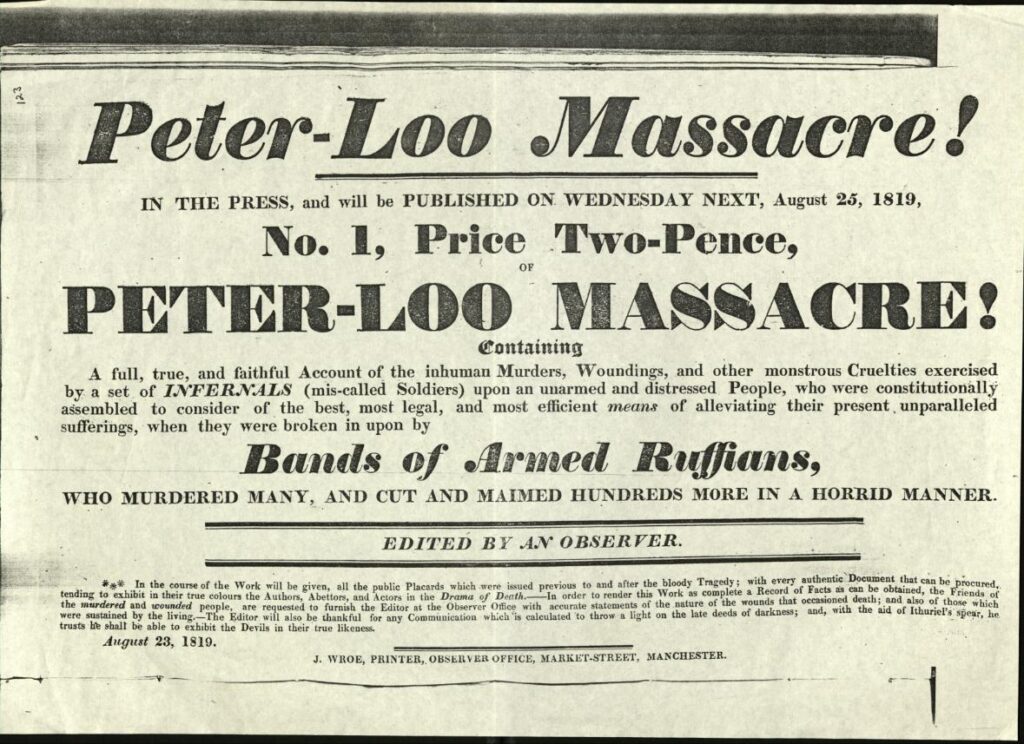
Fair enough, but when Frank Richards (real name Charles Hamilton) was 12 years old, the British Empire was at its height and Jack the Ripper was murdering prostitutes in London. Probably his parents were children during the period when Chartist protesters were being killed by the army, and their parents would have been alive during the period of Napoleonic Wars and the Peterloo Massacre. Which doesn’t make the First World War any less horrific, but you might as well say the sinking of the Titanic caused the loss of Britain’s innocence.
Advertisement for an account of the Peterloo Massacre

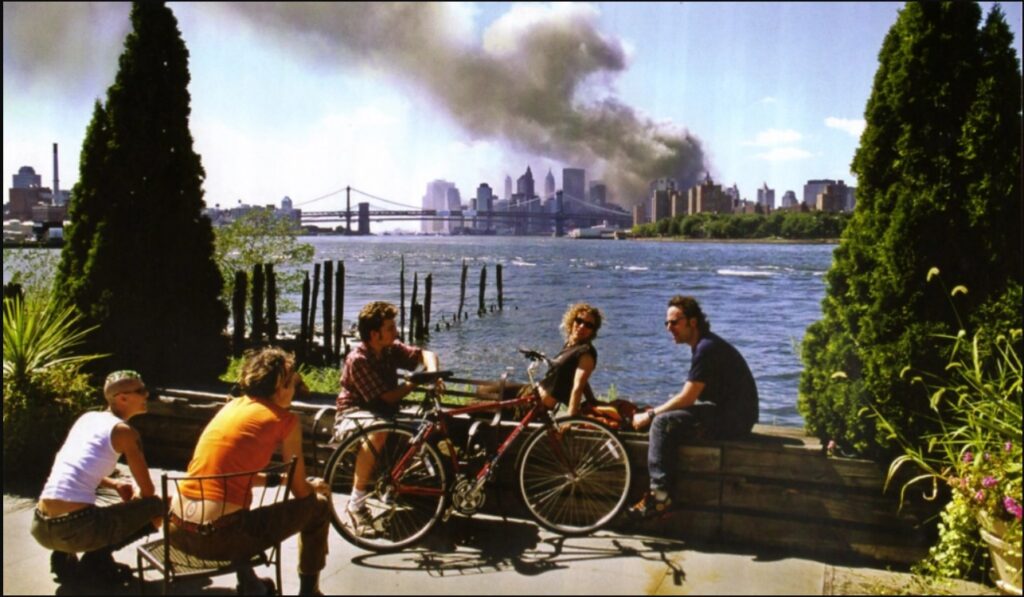
But I’m no better. Even though I wouldn’t use the phrase ‘loss of innocence,’ to me it seems like the world has never felt quite the same since 9/11. I’d be fooling myself if I said things were in any real sense better beforehand, and as with WW1, the events of that day didn’t come out of nowhere and it was as much a culmination as it was a beginning. But still, there’s a certain kind of low-level dread that emerged (in me at least) then and which, since then, always seems to be within easy reach.

That dread came to the fore again in 2004 when the photos of the torture and abuse of prisoners at Abu Ghraib were released and then again in the early 2010s with the violent rise of the Islamic State and the series of filmed beheadings of westerners that appeared online and on the news, and the murder of Lee Rigby in London. But it’s not a feeling that’s exclusive to Middle East-related matters, and it recurs like a migraine; every white supremacist rally, every attack on a mosque or synagogue, every time the media normalises far-right politics, every new announcement of US government policy brings with it a hint of that particular combination of heavy misery and pit-of-the-stomach dread.

Thomas Hoepker’s notorious 2001 photo of nonchalant 9/11 witnesses

Were things ‘better’ before 9/11? It depends on what you mean and who you are. For me, I was a teenager living in a peaceful and relatively prosperous country, so my specific worries, even the ones that felt existentially soul-crushing at the time, were probably pretty trivial. And it wasn’t entirely a new sensation; I remember feeling apprehensive and angry in the run up to the Gulf War in 1990, and before every general election, but that anxiety didn’t really linger in my day to day teenage life.

echhh

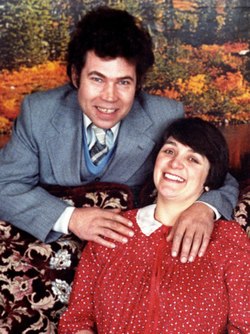
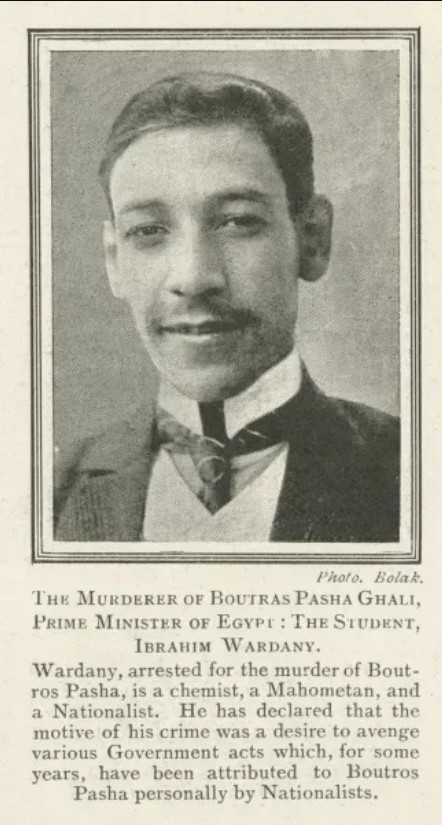
The same year that Quiz Show was released I remember watching the unfolding of the story of Fred and Rosemary West’s murders on breakfast TV for several days in a row with a sense of outraged horror, but it for me at least it didn’t have the lasting, polluting effect of 9/11. I remember watching with actual disbelief (I think the only time I’ve experienced that emotion, apart from seeing 9/11 itself on the news) when breakfast TV broke the story of Princess Diana’s death and then with irritated disbelief in the days (or weeks?) that followed, at Britain’s reaction to it. Again, that was a different thing. In 1910, when the world ‘went very well,’ Paris flooded, the French government massacred protesters in Côte d’Ivoire, Albania revolted against Ottoman rule and Boutros Ghali was assassinated in Cairo, while in Britain King Edward VII died and George V was crowned, Dr Crippen murdered his wife and was caught and executed, 300 Suffragettes fought with police outside of Parliament and Captain Scott set off on the British Antarctic Expedition; but Frank Richards was a successful author who had established two very weekly papers for children for which he wrote humorous stories; probably life seemed pretty good.

This isn’t nostalgia, exactly. In middle age, when their time is poisoned by yet unforeseen anxieties, will the teenagers of today look back wistfully at a period when there were still Palestinian people living (however precariously) in Palestine, or when the weather was mostly hot at one predictable time of year and cold in another and think of it as a better world they once knew, or just a different one? Who knows. At the moment, just catching up with the news every morning feels more and more like doomscrolling and the headlines feel increasingly like “The preparations for Hate Week were in full swing.

Around the time of the 9/11 attacks in 2001, the internet was just beginning to be a normal presence in almost everybody’s home, long before it was something they carried in their pockets and their hands. Since then, everyone has access to everything and, in the words of British heavy metal stalwarts Saxon, innocence is no excuse. Or at least it’s a willed, deliberate choice. But maybe it always was. Is innocence anything to aspire to outside of a court case anyway? I don’t know.

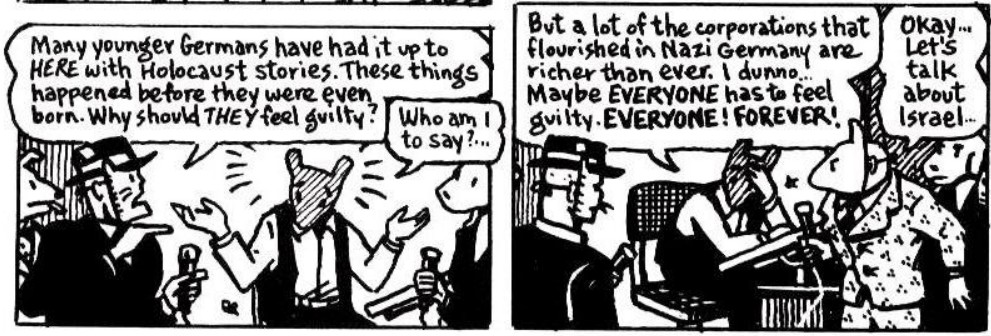
A conversation from Art Spiegelman’s Maus, a Pulitzer Prize-winning book, but one that was recently removed from some American schools, presumably to preserve some kind of innocence, springs to mind;

“Many younger Germans have had it up to HERE with Holocaust stories. These things happened before they were even born. Why should THEY feel guilty?”

“Who am I to say? But a lot of the corporations that flourished in Nazi Germany are richer than ever. I dunno… Maybe EVERYONE has to feel guilty. EVERYONE! FOREVER!

Art Spiegelman: Maus A Survivor’s Tale (The Complete Maus, Penguin Books, 2003 p.202)


confessions of a godless heathen

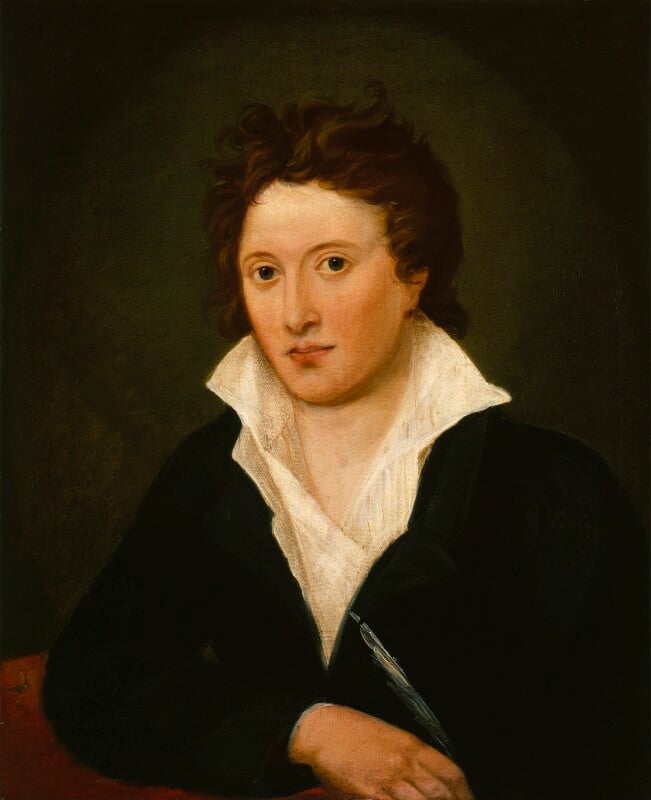
Percy Bysshe Shelley, 1819, by Amelia Curran

Ignore the sensationalist headline; there are no confessions here, and I’m not a heathen, I’m an atheist. When I was a teenage atheist, one of my main issues with the idea of god had been neatly summed up well over a century earlier by Shelley in The Necessity of Atheism (1811):

If God wishes to be known, cherished, thanked, why does he not show himself under his favourable features to all these intelligent beings by whom he wishes to be loved and adored? Why not manifest himself to the whole earth in an unequivocal manner, much more capable of convincing us than these private revelations which seem to accuse the Divinity of an annoying partiality for some of his creatures? The all−powerful, should he not heave more convincing means by which to show man than these ridiculous metamorphoses, these pretended incarnations, which are attested by writers so little in agreement among themselves?

As an adult atheist I still think that, but I think a lot of other things too. I should possibly point out here that though I don’t believe in any deities, the god I primarily didn’t and don’t believe in was the Christian one, simply because that’s the one who most prominently didn’t and doesn’t exist in my own personal experience. My lack of any kind of religious belief is something I’ve given a lot of thought to over the years and mentioned many times in passing on this website. I’ve never written specifically about it, but several things I’ve recently come across made me want to. One is the slightly dubious, clickbaity claim that (as one headline put it) “God is back” and that Gen Z (or some such amorphous group) is embracing the Catholic church. I’m sure that to some extent that’s true, as the Catholic church is just as evident as always, the choosing of a new Pope is TV news etc, but it’s also true that there have been other, substantially similar news stories about Gen Z embracing astrology and conspiracy theories and feminism and anti-feminism and fretting about world war three. None of those things are mutually exclusive of course (most of them should be; maybe feminism & anti-feminism actually are), and what it seems to add up to is that kind of end-times malaise normally associated with the end of a century or millennium.

I feel like it’s necessary to take those kinds of stories with a pinch of salt though, simply because over the years I’ve read all kinds of similar stories about Gen X which occasionally apply to me and often don’t, but in either case I’ve never been asked my opinion in order to gauge it and neither I presume have most people. And since every generation seems to spawn its own Nazis, centrists, communists and anti-fascists and everything in between, its philanthropists, misanthropes and bystanders, its religious zealots, libertines and atheists (etc, etc, ad nauseam), it seems fair to assume that any theory about a generation, just like any theory about a gender, race or sexuality is going to involve the kinds of generalisations which, once really examined, make the whole theory redundant. Presumably, church attendances are on the rise, but does that mean that belief is on the rise, or just that the desire for belief – quite a different thing – is? Or both? Who knows.

Alongside that, not coincidentally, more and more (inevitably right wing) politicians have been yammering on at first in the USA and now here, about “Judeo-Christian” values. It seems that this is mostly because they don’t like foreigners and Islam and are immune to irony. Because in insisting on the values of two ancient foreign religions from what we now in the West call the Middle East and denying the very similar values of another, very similar (though not quite as ancient) religion also from what we now call the Middle East does seem ironic, especially when one is tying it in with one’s national identity. There’s been a growing rhetoric (again, on the right) that suggests that Christians are becoming an oppressed minority in the UK, which is both tiresome and laughable but nicely (and again not coincidentally) complements the growth of a men’s rights movement that claims feminism (which, like atheism has arguably only recently began to have a fairly minor influence if any on the power structures underlying British society) has ‘gone too far’ and all that fun stuff.

Although my attitude has changed over the years, I don’t think my views really have. I genuinely think that it’s terrible and damaging that all over the world people are punished or ostracised or oppressed or killed or made to feel bad about themselves for offending arbitrary rules established in the name of imaginary beings. And in a way worse, the idea that there are omniscient, omnipotent beings who would be offended by actions which they must have foreseen at the moment of creation but decided to allow anyway, in order to punish them.

That kind of thing seems to be the basis of a lot of atheist polemic. Sometimes I find it entertaining and (depending on the writer) interesting, but, even while still believing every word of it, and feeling that it’s worth insisting on if asked about my views, as a middle aged atheist I wonder about the usefulness of saying it polemically at all. Because – for me at least – the opposite of religious faith isn’t science and logic (though I do believe in those), it’s simply non-faith. And I’m not sure there’s much to learn from that.

It’s not an argument that strengthens any cause, let alone mine, but I have come to think that lack of belief in a god or gods is just as instinctive, reflexive and fundamental as faith in them is. My mother was a Christian in her youth (in an atheist household, oddly for the 1950s) to the point where she considered becoming a nun. During her life, she wavered from various kinds of Christianity, to Taoism and Buddhism and a kind of vague paganism, but – and I think this is the most important point – although she lost her faith in many belief systems over the years, she never lost her essential faith in some kind of benevolent god or spirit at the heart of creation. For me it’s almost the opposite.

I have always been very interested in religions from Animism to Zoroastrianism in the exact same way that I’ve always been interested in mythology (I don’t really distinguish between the two) and I find pretty much all religions to some degree fascinating. I love churches and places of worship, I love the atmosphere of ‘holy’ places (even pre-historic places we now assume were once sacred) and I love the imagery and paraphernalia of religions, in the exact same way I love art and history. But it’s good that I’ve never wanted to belong to a faith or to become involved with those mythologies, because I can’t remember a time when I ever believed in even the possibility that a deity of any kind was an actual, real thing. Santa Claus either for that matter, although presumably at some pre-remembered point I did believe in him (Him?)

I have no idea where my lack of faith came from but I can pinpoint when I first became aware of it. I went to three ordinary Scottish primary schools, which in the 1980s meant reciting the Lord’s Prayer every morning before the class started. Not surprisingly, I still remember most of it, though mysteriously I can’t work out which bit I thought in my childhood mentioned snot; I was quite deaf then, but I definitely remember a snot reference, which always seemed odd. In my memory that daily recital was just part of a greater daily ritual which also involved (in the early years) chanting the alphabet and (through all of Primary school) greeting the teacher in monotone unison (The phonetic version of Mrs expresses it more accurately) “GOOD MOR-NING ‘MI-SIZ WAT-SON” or whoever the teacher happened to be – seemingly there were no male Primary School teachers in my day.

I have surprisingly sharp memories of looking round the class during the morning prayer to see who else didn’t have their eyes closed – there were usually a few of us, and sometimes we would try to make each other laugh – but a key part of that memory for me is the sureness of the feeling that I wasn’t talking to anybody. The praying itself wasn’t something I questioned or minded – if anything I quite liked it. It didn’t feel at all ‘bad’ or rebellious not to believe, it just never occurred to me at any point that god was real and might be listening, any more than I remember feeling that the notes put up the chimney to Santa would be read by an old man with a red suit and white beard, or that the carrot for Rudolph would be eaten by an actual reindeer.

At school we went to church (I think) three times a year – at Christmas, Easter and (an anomaly) Harvest Festival – and so folk horror-ish paraphenalia like corn dollies are always associated with church in my mind. The sermons were boring, as were some of the hymns, although others, the ones where the kids invariably sang the wrong lyrics, were fun – but I liked (and like) churches. I liked the musty, chilly smell and the wooden pews and the acoustics and the stained glass windows and especially the holiday feeling of being at school but not at school. And, though they only came into school life at these times of year I liked the Bible stories too. It seems funny now, but until well into adulthood the image that the word ‘Palestine’ summoned in my mind was an illustration of Jesus wandering around in pink and turquoise robes; I presume it’s from some forgotten book of Bible stories. But to me, stories – sometimes good ones (in the case of the early days of Moses and the last days of Jesus, very good ones), sometimes boring ones, are all that they were.
But where does lack of belief come from? The same place, presumably as belief.

Bowie in 1976 by Michael Marks

In Word on a Wing (1976), one of my favourite David Bowie songs – also I think one of his most deeply felt and certainly one of his most open and revealing songs – Bowie, then in LA and in the middle of a drug-fuelled existential crisis but soon to withdraw to Berlin to live a relatively austere and private life, sings:
Just because I believe
Don′t mean I don′t think as well
Don’t have to question everything in heaven or hell


For me, that sums up (non-blind) faith perfectly. Essentially, it’s what Keats (those romantics again!) summarised as ‘negative capability’ (“Negative Capability, that is, when a man is capable of being in uncertainties, mysteries, doubts, without any irritable reaching after fact and reason” – from an 1817 letter to his brothers) but applied to one of the most fundamental human impulses. I completely respect it and see what both Keats and Bowie mean by it, but it’s completely alien to me. Well, not completely: I don’t need to know how a jet engine works to travel by plane, I do indeed have ‘faith’ in it, but what the (nowadays many) commentators who characterise scientific belief as a kind of religious faith seem to overlook is that I don’t believe it because a scientist says it’s true, but because I can actually travel on a jet plane, and even before I did travel on a jet plane I could see that other people travelled on jet planes, that planes really do fly and engines really do work. Which seems like the build up to some kind of New Atheism gotcha of the ‘if God is real why doesn’t he just prove it’ type popular in the 2000s (essentially a more sneery version of the Shelley quote). but that’s not really me either. Although I am definitely an actual ‘speculative atheist’ and I suppose even an ‘atheist fundamentalist’ and though I genuinely do believe that the world and humanity would be better off without religion, I’m just not sure how much better off it would be.

It’s not that the New Atheists were wrong (or even new, thinking again of Shelley). Most of the arguments that were raised against them are easily picked apart. The idea that there is no morality without religion is so obviously wrong that it seems pointless even to argue against it. The same basics of morality (murder and stealing and cheating and lying are bad, treat people as you wish to be treated etc) are and have been all but universal, though not without different nuances, throughout history and throughout world cultures.
But the problem with lack of faith as certainty (and for myself I really am certain about it) is that its arguments, though more logical – at least up to a point, as we shall see – have precisely as much effect on the certainty of faith as the arguments of faith have on the certainty of non-faith. Logic is no help here.

From my point of view, in the certain absence of a god or gods, religion is purely human and therefore many of the (in themselves solid) arguments against it are kind of a cop-out. It’s not unreasonable to find it laughable that a supreme supernatural being should care what food you eat on which days, or what you wear or how you like to have your hair. It seems bizarre that an almighty creator who could presumably do whatever it liked, would take the time to tell humans which crops they prefer to have planted where or that male masturbation is bad rather than simply preventing the possibility of rule-breaking ‘at source’. But the omnipresent invisible elephant in the room is that whether or not a god really felt or feels strongly about these things, whether or not a god had them written down in words, they really were written down in words, by human beings, some of whom definitely did want these rules to exist and to be enforced. And it’s human beings that still enforce them. Also, it’s just as true that primarily secular or entirely secular societies also have rules and customs regarding things like clothing, food, hairstyles and even names, although they rarely come with threats of severe retribution and never with the threat of ongoing retribution after death. And yes, many of these customs – like the acceptable length of women’s skirts in western society – ultimately derive from religious directives, but any authoritarian society, not only theocracies or weird, nominally religious ones like Nazi Germany, but even states where religion is completely anathema like Stalinist Russia, Communist East Germany or the North Korea under its current regime are hardly relaxed about the individual’s freedom of expression.

Religious wars and religious persecution are bad, not because they are religious per se, but because wars and persecution are bad. Wars and persecution may often be provoked by religion, but surely if like me you don’t believe in god, then blaming that non-existent creature for religious wars is just euphemistic buck-passing bullshit? The Crusades were horrific, bloody and unjustifiable, but to blame “Christianity” for them, rather than Christians, that is, actual European human beings, is like blaming, or giving credit to, Tengri for Genghis Khan’s conquest of vast tracts of Asia, or suggesting that Jupiter, Neptune and co enabled the Romans to found their empire. “Catholicism” didn’t create the Spanish Inquisition any more than the concept of Nazism created the Holocaust or Islam as a belief system resulted in 9/11 or the Taliban. Left to themselves, religions, ideologies and philosophies don’t do anything; they just sit there. And they all have one common denominator, and it’s not a deity.

This morning, I saw that the Pope had made a statement that some policy or other of the current US administration is “un-Christian and un-American.” Well. I am glad to see anyone with any kind of authority challenging inhumane, intolerant and fascistic regimes. But those actions are only un-Christian insofar as Christ himself wouldn’t like them, according to the Bible. But Christ was one single man-god who acted a certain way and said certain things. All manner of atrocities are entirely in keeping with the actions of two millennia of Christians. As for un-American, again, the acts the Pope condemns are not compatible with the statements made by the founding fathers of the Unites States of America; but they are probably no worse than the actions carried out by those same founding fathers in their lives or many of the successive governments of the USA. Or indeed many, many other governments in the world. And, to be all New Atheism about it, when it comes to the welfare of children for instance, it’s not like the Catholic church itself has an impressive record. Does that mean the Pope shouldn’t condemn things or that American people shouldn’t try to hold their government to account using the egalitarian rules set down when the country was founded? Of course not; but invoking some kind of imaginary, ideal standard of behaviour really shouldn’t be necessary to do so. There’s human decency after all

Another (non-conclusive, because none of them are) argument for the human, rather than divine nature of religion is that the religions that have survived the longest and strongest in the modern world are those which are most compatible with it. The paternalistic, to varying degrees misogynistic Abrahamic religions all defer their ultimate spiritual rewards (but more on the non-ultimate ones later) until after death. They have no in-built expectation of much material happiness or contentment on this plane of existence and to varying extents they actually value hardship, while prioritising men within the earthly realm. Well, the paths that led us to 21st century culture, especially imperialism and capitalism, are fine with all that. Work and strive now, happiness comes later, unless you are one of the privileged few. Communism in theory isn’t fine with that, but naturally, having been formulated during the Industrial Revolution, when the vast mass of people were already oppressed by a tiny ruling class (itself a mirror image of the earlier rule of Church & monarchical elite vs peasant majority), it is defined by its opposition to capitalism. Early Communism therefore took hardship as a given (there is no proletariat without it) and, in lieu of heaven, deferred the payoff of universal prosperity and equality to some future time when the world revolution has been achieved and all opposition to itself removed. It’s a cliché to say that communism is itself a kind of religion, but the parallels are unignorably consistent; trust the leaders, put up with the shit now, eventually if we’re true to our cause it’ll all work out, if those heretics don’t spoil it.

On the other hand, various older kinds of religions, animism and ‘earth mother’ paganism and so on, value (quite logically) the need to look after the world we live in. It’s not that the religions of the book explicitly say not to, but they aren’t primarily concerned with this world – and imperialism and capitalism and even communism, which have other uses for the material world than care and stewardship, have historically all been fine with that. It’s somehow not very surprising that the aspects of non-Christian religions that became most taboo during the age of imperialism, and therefore attributed to “savage” or primitive cultures – human sacrifice, cannibalism, idol worship and so on – should be parts of Christianity itself. Without human sacrifice, even if it’s only the sacrifice of one special token human, there is no Christianity. The divinity of Christ kind of goes without saying – that’s what makes it a religion. But his humanity is what makes him more than just the old Testament god. And insisting on his humanity inevitably made the eating of his flesh and drinking of his blood controversial. But seriously, whether someone believes they are literally eating the flesh and drinking the blood of an actual human being or only symbolically doing so, it’s a cannibalistic ritual just as atavistic and visceral as any of the imagined horrors that the Christians of the crusading period or the Europeans who spread their faith across the world believed they had encountered. It doesn’t seem too fanciful to say that what really horrified those Christians was the discovery that things they saw as fundamental to their own civilisation might be just as fundamental to civilisations that they had to believe were inherently inferior in order to destroy them.

Monkey (1979) Buddhism & Taoism that was fun for kids

The fact that there are analogous stories to those in the Bible throughout history and world cultures (death, rebirth, sacrifice, enlightenment) suggests that whether or not one has any faith in these stories, they aren’t ‘just’ stories. In fact, a lesson that stayed with me (because it suits my personality I suppose) from the 70s TV show Monkey, based on Wu Cheng’en’s 16th century novel, Journey to the West – something like “winners make losers, therefore remove yourself from competitions” purports to be from a Taoist religious text. Eating the fruit of the tree of knowledge (I like to think a banana) and paying the unexpected price for it is, even as a mythological story, one that has real life analogies all through human history. I remember as a child when plastic coca cola bottles began to replace glass ones. It seemed futuristic and in a weird way utopian – lightweight like a can but resealable, far less risk to your drink if you dropped it than a glass bottle; less broken glass in the streets and parks. Whether or not scientists were already concerned with the problem of plastic’s lifespan or the sheer accumulation of it I don’t know, but kids weren’t, for a few years at least. Which has nothing to do with religion – but the attempt to do good turning out not only to be bad, but to be something that has to be dealt with and paid for down the generations is hardly an alien one. And in this case it was made worse not by religion, but by the inability or unwillingness of people under capitalism (myself included) to distinguish between convenience in the sense of people not having to waste half of their lives in drudgery and convenience in the sense of not having to get up to change TV channels. There’s probably a parable in there somewhere.

A favourite anti-atheist argument is the ‘intelligent design’/watchmaker one. It’s clearly an empty argument, but my counter arguments would only be convincing to an atheist – and not even to all atheists. The argument, put simplistically, that because a watch, or a computer, or anything human-made and complex didn’t just evolve on its own, but had to be consciously invented, therefore means that life, earth and everything else must have been consciously invented too requires an obvious leap of logic. The universe is not a machine, life is not the same as battery life.

The most complex things in our world seem to be human beings, and human beings also produce other human beings, often with no conscious thought and rarely with any kind of design at all. People are accidentally invented all the time. The idea that creation is accidental or ‘just happens’ is hardly a difficult one to grasp. The people that people produce are every bit as complex as their parents and grandparents, but only occasionally, and in the most superficial way, are they designed. Worse than that, logically, we know how humans are created, but even so it’s hardly unusual for them to be produced even when the people doing it very much desire not to do so. To look at the way that the most complex creations on earth are usually made and to label it “intelligent design” would be a strange thing to do, since it doesn’t necessarily include much intelligence or any actual design. Of course that doesn’t prove that things weren’t originally designed, but the gulf between organic living things and intelligently designed things as we experience them, even at the beginning of the AI age, is so fundamentally different that you might as well argue that a cat must have designed clouds because you once saw a cloud that was cat-shaped.

As mentioned in passing before, it’s popular among a certain kind of (usually, but not exclusively right-wing, American) Christian to compare ‘faith’ in science to faith in god, which is a false equivalence, for the jet plane kind of reasons mentioned above – but although I do believe science to be superior in every way to religion – because it learns from experience, for one thing – I do sometimes wonder whether it suffers from being (this sounds very different from how I mean it) homocentric (is ‘anthropocentric’ better? It sounds worse) in a similar kind of way. I remember learning (in a very basic way) about the big bang at school and asking the teacher, not unreasonably I think, *what* was supposed to have exploded and where that came from and being told “that isn’t a scientifically interesting question.” Well, quite possibly all the teacher meant is that at the current time any answer to that question must be pure speculation of a non-mathematical kind, but teen-me felt that it was basically “science works in mysterious ways” and he/I didn’t like that.

Somewhere in this article I had been going to say that Shakespeare was was as right as anybody when he wrote “Nothing will come from nothing” but now that I’ve reached this point I wonder whether being creatures that are born, who come from somewhere, who live for a while, who are subject to time and then who die and stop existing (or go somewhere else) shapes our understanding of everything. I do believe in the big bang because the evidence around us confirms its likelihood. The universe started, it expanded and at some point it will end. The idea of something that just is, forever, or that exists outside of time, whatever that would mean, seems as incomprehensible as non-existence does. That things, including human beings do stop existing is in one way obvious – but things breaking down, decomposing, changing from one form to another and (romantically) melding with the universe or (prosaically) enriching the soil or whatever is a process that is understandable. The personality and individual human consciousness switching off and simply not existing is the hard part to take in. As far as we can tell this isn’t a change in energy type, the electrical impulses that are us don’t seem go anywhere or do anything. But maybe that whole frame of reference; beginning, middle, end isn’t everything, it’s just the limits of human understanding. Which doesn’t, to me, imply the existence of any kind of creator or supreme being, just that there’s scope there for whatever you care to imagine but which you can never truly know. Keats would be fine with that.

Similarly, to apply logic to the existence of god will always be self-defeating, because logic is (as far as we know) a specifically human way of explaining the universe to its/our own satisfaction. The laws of physics and nature and mathematics do seem to work according to logic, which is very helpful for teaching and learning and science, but human beings themselves routinely defy logic in both profound and trivial ways. Many of the things that humans value most highly are completely resistant to logic, like art and god and love and money. Even something as humble as sports; one human being being able to run faster than another or play a game better than another is only dubiously something to celebrate, and if it is, then logically one might expect people to support only the best teams and athletes. If, alternatively it’s to do with identification with and loyalty to one’s own area, then fans might only be expected to support teams or athletes from the same geographical location as yourself, which is occasionally how it works, but just as often isn’t. There’s nothing especially logical about the enjoyment of a race or a game in which you aren’t involved for its own sake. Does that mean that logic is a faulty way of understanding the universe? I don’t know; but it is a faulty way of understanding human beings. The idea that god’s existence is a logical reality in a 2 x 2 = 4 way makes about as much sense as the position of the planets at the time of your birth dictating your future.

As Bowie implied, faith needn’t – and in many cases I’m sure doesn’t – preclude seriously considering the implications of one’s belief. But sometimes it does. I’ve never wanted to believe (I don’t really get why anyone would, if they don’t; which is my deficiency), but as an adult I have always wanted to understand people who do. And in general, I find it frustrating to try to do so, as two different but very similar anecdotes about my encounters with people of faith illustrate. I am aware though that these may say more about me than they do about the believers.

In my professional capacity I was once interviewing a prominent American black metal musician whose latest album went on about blasphemy a lot. Given that black metal encompasses everything from orthodox satanists to heathens and pagans and occultists and chaos magicians and nihilists, I asked what I thought was a reasonable question; what meaning does blasphemy have unless one believes in god? Doesn’t the concept of blasphemy essentially reinforce the religion it attacks by affording it some kind of legitimacy?* The musician’s response was the black metal version of these go up to eleven. I think what he actually said was “Everyone knows what blasphemy is.” And he was right I suppose, but he was also characterising his band as purveyors of simple shock and outrage to the very few people who are still shocked and outraged by blasphemy. Ho hum.*

The archetypal image of black metal, Nattefrost of Carpathian Forest, photo by Peter Beste

*this made me think of an occasion in high school where I muttered “of for god’s sake” or something like that and my maths teacher said “don’t blaspheme, William!” and I replied “it would only be blasphemy if god existed” and was given a punishment (lines). It was only years later than realised I deserved the punishment, not because of god, but because I was being a smart arse to a teacher – at the time I just felt righteously angry about the lines.

Likewise, a visit from some very pleasant Jehovah’s Witnesses left me with unexpected admiration for them, but also some frustration; they also left prematurely, which my younger self would have regarded as a victory. The respect was for their answer to the kind of question that seems like a typical smart-arse one, but I was genuinely curious. If there are only 144, 000 places in heaven in your religion (I had only recently learned that strange fact) and those are all spoken for already, why are you knocking on people’s doors trying to spread the word about your faith? I hadn’t expected their response, which was something like “Oh, we don’t expect to see heaven. Heaven is for god and the saints and angels, Earth is the paradise that god made for humans, it just needs to be fixed.” A version of Christianity that withholds the promise of paradise even after death was weird to me, but also impressive. Having a faith where you never expect to attain the best bit seems coolly ascetic, but also kind of servile, which it literally is. The fact that servility seems distasteful to me is I suppose my weakness not theirs.

I was less impressed with the response to what I felt and still feel is a serious question and not just a cynical gotcha; If god is all you say it is, all powerful, blah blah, then why create evil? There was a stock answer ready, which was to do with free will and choice, but even though there are holes to be picked in that too (the ‘free will’ of transgressors has nothing to do with the free will of their victims, what about their will?) – that wasn’t what I meant. What I was asking is, If you can do whatever you like, can see everything that has ever happened and everything that will ever happen, if you are capable, presumably, of endless satisfaction and happiness, why create ‘bad’ – or, more personally perhaps, why create even the concept of ‘things you don’t like’ at all? To that question, I got the Jehovah’s Witness version of “these go up to eleven” and a quick goodbye. But I genuinely wasn’t trying to catch them out, I really wanted to know what they thought about it, but apparently they didn’t think anything. Having said that, I can see now that I write about it, that interrogating your belief system for the benefit of a stranger who obviously isn’t going to be persuaded to join you is probably not all that attractive. Still, I didn’t knock on their door.

Guy Pearce as Peter Weyland in Ridley Scott’s Prometheus (2012) – something to aspire to?

So much of religion seems to me to be saying that that, whatever the wonders and horrors and joys and pains of life, it’s not enough and they want more. But again, that’s not exclusive to religious people. I recently saw an unsettling but also unintentionally funny video in which the PA of a shadowy, influential and incredibly wealthy figure was talking about transhumanism and his master’s ultimate Roy Batty/Weyland-from-Prometheus plan not to die at all. Which feels very sci-fi, but also very late Roman Empire. At the same time, my generation grew up with the rumour that Walt Disney’s head is in a refrigerator, awaiting medical science until he can be resurrected when the technology catches up enough. Rebirth and resurrection; there really is nothing new in human history.

detail of the crucifixion from the Isenheim altarpiece (1512 – 6) by Matthias Grünewald

All a bit bleak, maybe; but if religion only offered oppression, judgement, condemnation and war then far fewer people would devote their lives to it. And if the negative aspects of religion all exist independently of religion, then so do the positive aspects, and without the same arbitrary punishment/reward structure underlying it.

Religion offers comfort to people in distress, it offers a sense of community and belonging, it offers contact to people who feel isolated. It offers various kinds of love.  I can’t think of many artworks more moving than Matthias Grünewald’s crucifixion from the Isenheim altarpiece (1512-6), painted to comfort people who were suffering from skin diseases, by showing them the scourged Christ’s suffering, which mirrored their own. But just as the Quran didn’t issue a fatwa against Salman Rushdie and the Bible didn’t take babies from unmarried mothers and kill them and bury them in the grounds of institutions, neither do those books feed the poor, embrace the lonely, paint pictures or create a sense of community. Human beings do those things, and they do them regardless of religion. They do it in societies where religious beliefs aren’t based on the Judeo-Christian tradition and they do it in societies where religious beliefs are actively frowned on. After the dissolution of the USSR, few people were nostalgic about the food queues or the secret police, but many were nostalgic about the sense of community that came from masses of people being in the same situation together. And now that capitalism which, unlikely though it seems, is not always so far removed from Soviet communism, has created its own underclass and hierarchical power structure and pogroms and whatnot, people have also created their own communities, support groups, charities and friendships.

The one positive thing that faith offers that non-faith of my kind doesn’t, is a personal relationship with god – and that’s where we came in; you either believe or you don’t. I can completely understand that having a direct line to someone who knows you and understands you better than you know yourself, who accepts and forgives you could be nice and comforting. Maybe in pre-Christian or non-monotheistic societies that voice was the voice of the ancestors or the spirits of the trees and rivers. I can see how that would be nice too, but for myself I can’t imagine having such a thing or longing for it or even wanting it. For me, you either disbelieve or you don’t.

And maybe that’s really the strongest argument, not against faith, which there is no argument against, but against religions as institutions, as rules and directives of the kind that people are so keen to re-establish. Because if there’s one thing you can see, looking not just at the diversity of religions but at the diversity of beliefs within them, at the different ways that people relate to and communicate with their gods, it’s that god is just as personal and individual as any of its believers and disbelievers and so making an orthodoxy of it can only ever harm more people than it helps.

a simple question about dead children

It’s forever being explained that this or that war or ‘conflict’ (a fun word to watch out for, generally meaning that the authorities and media recognise there’s something shameful or unequal in the situation) is complex and difficult. But even though the historical background, causes and contexts of wars are almost always complex, there’s one simple question that can clarify the course of events as they unfold: Is it ever acceptable to kill unarmed civilians who aren’t attacking you?

If the answer is yes, or anything that essentially means yes, then the arguments about right and wrong end and an eternal cycle of violence, death, reprisals and resentments is tacitly accepted. But if the answer is no – and to me it definitely is – then there’s a moral imperative not to let it happen.

Jean Colombe – Richard I of England orders the Massacre of the Saracen Prisoners, 1191 (painted 1474-5)

The part of the question specifying who aren’t attacking you is crucial because realistically, escalating violence frequently ends in killing, whether or not that’s the original intention. Unless one is a Gandhi-style pacifist who thinks that being attacked is a signal to lie down and take it and that (to cite examples Gandhi used) the UK should have let Nazi Germany invade unopposed or that the Jews should have willingly delivered themselves up for extinction, the idea of being attacked and not reacting feels entirely unnatural, a practical impossibility, whatever your personal philosophy is. Not that that is any defence against most of the kind of attacks that happen in modern warfare.

Francisco de Goya – The Third of May 1808 (painted 1814)

Even as someone who believes it’s always wrong to kill unarmed civilians, it’s hard to resist applying that belief hypothetically to historical situations. It’s a pointless exercise because while it’s entertaining to imagine ‘sliding doors’ moments in history and extrapolate possible consequences from them, there’s no way of actually knowing how things would have panned out whatever the probabilities seem to have been. Plus, none of it can be changed now anyway. We don’t live in history, yet.

‘What if?’ is an irrelevant and frivolous question when applied to history, unless you happen to be writing a novel, making a film or inventing a time machine – but it’s a fundamental question about what is going to happen today.

David Olère – The Massacre of the Innocents (1950s?)

It might seem obvious which war or conflict I have in mind while writing this, but although the most obvious guess may be the right one, I’m not avoiding naming names out of some kind of misguided sense of neutrality. I’m not trying to downplay sickening atrocities or genocides or to pretend that war crimes only matter when some people commit them but not others. The simplicity and universal applicability of the question is the whole point. Is it ever acceptable to kill unarmed civilians who aren’t currently attacking you? I don’t think so.

Everything is irrevocable once it has happened, but nothing is until then, so let’s not act as though some people are just destined to be collateral damage in wars as if it’s a fact of nature rather than the result of human choices and actions.

bathroom blade runners – who polices the toilet police?

The prejudice against transgender people in the UK has, after years of furious lobbying, reached the level of a moral panic, and thanks to the pressure of the lobbyists (and perhaps even more, the money behind them) transphobia is now essentially written into British law. It feels like bad form to quote oneself, but four years ago I wrote “The unstated aim [of a moral panic] is the reiteration of a prevailing – often obsolete – orthodoxy … And coincidentally or not, whatever the panic happens to be about, it’s usually the same orthodoxy that is being reinforced and promoted.” That’s true here. The stated aim of the pressure groups – and now, the legislation – is to protect women, ostensibly from male violence, but not only does the law not do that, it actually reinforces the status quo, where crimes against women are often overlooked and always inadequately policed.

It’s a policy that doesn’t try to benefit anybody, not even those who have rabidly pursued it – but, indirectly it benefits the very group it purports to punish; male abusers of women.

Claude Cahun in 1928 – “Neuter is the only gender that always suits me”

At its core there’s a fundamental irony embedded into the moral panic about trans people. The heart of the issue is that there are people who simply don’t want trans people – primarily but not only, trans women – to exist at all. But in trying to wish trans people out of existence, what the transphobes are really doing is insisting on their presence, heightening it (and simultaneously using trans people as a way of defining their own “normal” identities too) and of course punishing them for their continued existence.

The idea of trans people just existing and being accepted as the people they are, obviously isn’t any kind of threat to society. But then, choosing an invisible ‘enemy within’ has always been the (essentially deflecting) agenda of paranoid reactionaries and is such a familiar trope that there’s really no need to list the atrocities these kinds of policies have led to throughout history. Under normal circumstances, the trans women and trans men vilified by activists and politicians are just women and men; the woman who works in your office, the man at the supermarket checkout, a teacher, a librarian, a lifeguard; you perhaps. But when looked at through the eyes of the paranoid bigot, that very unobtrusiveness becomes sinister; someone ‘posing as’ a lifeguard or ‘infiltrating’ a school to pursue their malevolent agenda.

The worst thing about a law that denies the identity of a group of people is, naturally, the impact it has on those people – but it also does nothing to address the problems it’s disingenuously put forward to solve. Male violence against women, wherever it happens, is a serious problem in British society. And yet at every stage – from early displays of ‘light-hearted’ misogyny and harassment among children and teenagers to actual physical assault – society and the law tend not to take it seriously, with the result that crimes are under-reported and under-prosecuted and punishments are often laughably mild. At the same time though, harassment and assault et cetera already are criminal offenses, and they don’t become any more criminal, or any better policed, by persecuting a minority group. In fact, the opposite is true, since the focus on trans women as potential aggressors takes the focus away from the people who are overwhelmingly, the perpetrators of violence against women – cisgender men. It’s essentially misogynistic and threatens the very safety of the women it pretends to protect.

the late cis-gender, heterosexual musician Vinnie Chas in 1989 – which toilet should Vinnie have used?

It’s perhaps important to point out that the Supreme Court’s ruling states that the legal definition of a woman is based on biological sex at birth, so that only those born female are recognized as women under the Equality Act. It’s simplistic (human biology isn’t) and it doesn’t mention bathrooms at all. But the toilet is central to the ideology of ‘gender critical’ activists. Policing who uses which bathroom is a bizarre preoccupation of the anti-trans lobby, but it’s indicative of the generally perverse and in one sense unserious nature of their obsession with trans people. That being so, public toilets have ended up being a key battleground in the debate around trans rights in Britain.

The question of how ‘correct’ toilet usage is enforced throws up the immediate problem of who polices it and what the criteria are for using a gender-specific toilet. It’s not enough to say, as the Supreme Court ruling implies, that women’s bathrooms are for those who are biologically female from birth, because in many cases there’s no obvious way, short of an invasive genital inspection, of working that out – and there shouldn’t be. In any kind of free and democratic society, the way someone presents themselves, the way they dress, or the hairstyle and aesthetic they adopt – in short, their identity – is nobody else’s business unless they explicitly make it so, and setting up some kind of ‘toilet police’ can only increase the harassment of women, both trans and cis.

The kind of concern I expressed above often leads to accusations of hysteria, but just this week, the prominent anti-trans campaigner Maya Forstater explicitly said this: “Not being allowed into the mens by rule does not mean you have the right to go into the ladies. That may seem unfair, but these are life choices people make. If you make extreme efforts to look like a man, don’t be surprised if you are denied entrance to the ladies.” It’s hard to know where to start with this venomous nonsense. But for a start, what does “extreme efforts to look like a man” entail? What is ‘looking like a man’ anyway? Which man? These fools come across like Mary Whitehouse wringing her hands over Boy George’s appearance on Top of the Pops 40 years ago.

The Beautiful Boy (2003) by genuine TERF Germaine Greer; but is this boy manly enough to use the Gents?

For some women, regardless of their gender at birth or their sexual orientation, just having a short haircut or choosing to wear trousers is enough for some people to accuse them of looking like men, regardless of what their intentions were when choosing a haircut or getting dressed that morning. The idea of not being ‘allowed’ into one or other toilet surely also entails some kind of enforcement. There are so few public toilets in the UK with human attendants that presumably, existing bathroom staff can’t expected to take on the duty of somehow determining who is an acceptable ‘customer’, but someone will have to, if it’s not just empty rhetoric – which it may well be. It also creates a genuine possibility of toilet vigilantism, which sounds hilarious, until you really think about it. And what qualifies someone to be a toilet police officer or bathroom blade runner anyway? Is there a recognition test they need to pass? Will there be gender-determining questionnaires or apps, or inspections?

The British cis-gender, 100% female artist ‘Gluck’ (Hannah Gluckstein) a century ago in 1925 – which toilet should she have used?

Presumably until now there have been no laws dictating who can use which bathroom and yet, men (including trans men) tend to use the men’s and women (including trans women) tend to use the women’s, without any resulting fuss. Somebody who lurks in any bathroom with the intention of assaulting someone is already breaking, or planning to break the law and nothing about this legislation seems likely to deter those few people determined enough to do such a thing. What seems far more likely is that people innocently needing to use public toilets – and it’s not something most people do except in the direst need – will face some kind of additional unpleasantness, especially if their physique and appearance isn’t one that fits within a standard, traditional gender norm.

TERF (trans-exclusionary radical feminist) is a useful shorthand term for people like Forstater and JK Rowling, but it also gives them a validity that they don’t deserve, because difficult to see any kind of feminism, either radical or orthodox, in a policy that requires women to conform to a specific kind of approved appearance to be accepted in female-only spaces. I would like to be able to substitute the term ‘right-wingers’ for TERFs, but in fact this whole issue reinforces my growing feeling that the ‘left’ and ‘right’ binary is no longer useful when looking at political and cultural issues. I am definitely left-wing, but then so, one would hope, is the Communist Party of Britain, which publicly supports the Supreme Court’s ruling. But I shouldn’t be surprised, because the mistake I – and many people, it seems – make is assuming that communism is left-wing. If I really examine what I mean by ‘left-wing’ I find that the correct word would be the much abused and misunderstood one, ‘liberal.’ And, as no less than V.I. Lenin went to great pains to explain in 1920’s charmingly-titled pamphlet “Left-Wing” Communism: An Infantile Disorder, there’s nothing inherently liberal or democratic about communism. It’s easy to forget that, because left vs. right feels so logical, but history proves the point – if left-wing meant what people think it means, and communism was left-wing, then the Hitler-Stalin Pact would have been completely unthinkable. Whereas, looking at both Nazi Germany and Stalin’s USSR it seems not only logical but inevitable.

Uncle Vlad’s toxic 1920 pamphlet

Hitler and Stalin’s ideologies diverged in many, quite fundamental ways, but at heart, both were about power – who has it, and who is subject to it and can be coerced by it. And as citizens of the kind of society that wants to police who uses its toilets, we might want to consider that.

But even though an attack on the trans community is an attack on the freedom and individuality all of of us, and even with all of the serious issues and implications involved, from the corruptibility of British politicians to the possible dystopian outcomes for our society, the most important point by far is to remember that this is happening now, and that the explicit target is a small community that includes some of the UK’s most vulnerable people. It’s evil and it’s indefensible, but it’s not irreversible – so those who object should make their voices heard.

what do you look like?

A few years ago a friend sent me a photograph of the ten-year-old us in our Primary School football team. I was able, without too much thought, to put names to all eleven of the boys, but the biggest surprise was that my initial reaction – for maybe a second but more like two seconds – was not to recognise myself. In my defence, I don’t have any other pictures of me at that age, and even more unusually, in that picture I’m genuinely smiling. Usually I froze whenever a camera was pointed at me (and I still do, if it takes too long), but I must have felt safer than usual in a group shot, because it is a real smile and not the standard grimace that normally happened when I was asked to smile for photographs.

I could possibly also be forgiven for my confusion, because in contrast with my present self, ten year old me had no eyebrows, a hot-pink-to-puce complexion and unmanageably thick, wavy, fair hair; but even so, that was the face I looked at in the mirror every day for years and, more to the point, that gangly child with comically giant hands actually is me; but what would I know?

My favourite of David Hockney’s self portraits – Self Portrait with Blue Guitar (1977)

In a recent documentary, the great artist David Hockney made a remark (paraphrased because I don’t have it to refer to) that resonated with me; your face isn’t for you, it’s for other people. As you’d expect of someone who has spent a significant part of his long career closely scrutinizing people and painting portraits of them, he has a point. Everyone around you has a more accurate and certainly more objective idea of what you look like than you do. Even when you see someone ‘in real life’ who you are used to seeing in photographs or films, there’s a moment of mental recalibration; they may look like their image, but the human being before you in three dimensions is on a whole different scale and proportion from the thing you are used to seeing.

I remember reading in some kids’ novel that the young footballer me from that photograph liked (I’m guessing it was by Willard Price but can’t swear to it) that when being shown photographs of themselves, the indigenous people of (I think) New Guinea, not only weren’t impressed, but didn’t recognise them as anything in particular other than little squares of paper. Like Hockney, they had a point; if the Victorian people who invented photography hadn’t grown up with a tradition of ‘realistic,’ representational art would they have seen any relationship between themselves as living, breathing, colourful, space-filling three-dimensional organisms and the monochromatic marks on little flat pieces of paper? The response of the fictional New Guinea tribespeople is far more logical than the expected response (surprise, wonder, awe) in the novel.

Hockney went on further to say that portrait painting (if the sitter is present with the artist) gives a better idea of a person than photography does. At first this is a harder argument to buy into, but it has its own logic too. A photograph, as he pointed out, is a two-dimensional record of one second in time, whereas the portrait painter creates their similarly two-dimensional image from spending time in the company of the sitter and focusing on them – a different, deeper kind of focus, since it engages the brain as well as the senses, than the technical one that happens with a lens, light and film or digital imaging software. A camera doesn’t care what you are like, it just sees how you look, from that angle, for that second. Maybe my big 10-year-old smile really is representative of how I was, but from memory it doesn’t represent that period for me at all.

Egon Schiele in his studio c.1915 (left) vs his 1913 self-portrait (right)

I might never have written this had I not been reading Frank Whitford’s excellent monograph on the Austrian expressionist painter Egon Schiele (Thames & Hudson, 1981). Schiele is famous for (among other things) his twisted, emaciated and fanatically awkward self-portraits. The man he depicts is scrawny, elongated, intense, sometimes almost feline and utterly modern. Schiele in photographs, on the other hand, is quite a different presence. Sometimes he has the expected haunted look and often he has the familiar shock of hair. He sometimes poses almost as awkwardly too, but otherwise he looks surprisingly dapper, civilised, diminutive, square faced and elfin. But if we think – and it seems logical that we do – that the photographs show us the ‘real’ Schiele, then the descriptions of those who actually knew him suggest otherwise.

a slim young man of more than average height… Pale but not sickly, thin in the face, large dark eyes and full longish dark brown hair which stood out in all directions. His manner was a little shy, a little timid and a little self-confident. He did not say much, but when spoken to his face always lit up with the glimmer of a quiet smile.” (Heinrich Benesch, quoted in Whitford, p.66) This description doesn’t exactly clash with the Schiele of the photographs (though he never appears especially tall), but it’s somehow far easier to identify with the dark-eyed, paradoxically shy and confident Schiele of the self portraits. In his own writings, Schiele seems as tortured and intense as in his paintings, but in photographs he appears confident, knowing and slightly arch.  His face, as Hockney says, may not have been for him, but he seems to have captured it in his art in ways that his friends and acquaintances recognised, and which the camera apparently didn’t.

Schiele in 1914 by Josef Anton Trčka (left) vs his 1911 self portrait (right)

So does that prove Hockney both right (portraiture is superior to photography) and wrong (Schiele did know his own face)? And anyway, what does that have to do with the 10-year old me? Nothing really, except that the camera, objective and disinterested, captured an aspect of me in that second which may or may not have been “true.” Objectivity and disinterestedness are positive qualities for evaluating facts, but when it comes to human beings, facts and truth have a complicated relationship. Photography, through its “realness,” has issues capturing complexities, unless the photographer is aware of them and – Diane Arbus and Nan Goldin spring to mind – has the ability to imbue their work with more than just the obvious surface information that is the camera’s speciality. But (hu)manually-created art, with its human heart and brain directing, naturally takes the relationship between truth and facts in its stride.

One final example that proves nothing really, except to my satisfaction. Around the year 1635, the Spanish painter Diego Velázquez was tasked with painting portraits of the assorted fools, jesters, dwarfs and buffoons whose lives were spent entertaining the Spanish court. Most of these people suffered from mental or physical disabilities (or both) and were prized (I think that’s a more accurate word than ‘valued’ in this context) for their difference from ‘normal’ people; treated in and viewed as the same way as carnival “freaks” up to the early 20th century in fact.

These people were comparatively privileged – that is, compared to what their lives as someone with a disability would have been like had they not been adopted by the Royal court. But their position in the household was more akin to pets than friends or even servants. Juan de Calabazas (“John of Gourds; a gourd was a traditional jester’s attribute) suffered from unknown mental illnesses and physical tics. In a time and place where formality and manners were rigidly maintained, especially around the monarch – where a misstep in etiquette could have serious or even fatal consequences, buffoons like Juan entertained the court with unfettered, sometimes nonsensical or outrageous speech, impulsive laughter and strange, free behaviour.

In normal 16th-17th century society these people would be lucky even to survive, but in the Court their behaviour was celebrated and encouraged. Velázquez is rightly famous for the empathy and humanity with which he painted portraits of these marginalised figures, but although, as Wikipedia (why not?) puts it; “Velázquez painted [Juan] in a relatively calm state, further showing Velazquez’s equal show of dignity to all, whether king or jester” that seems an unusual response to the portrait below, It’s not untrue, but for me at least, Velázquez’s process of humanisation is painful too. The knowledge that this man lived his life as a plaything of the rich and powerful, alive only because they found him funny is troubling enough. But that pathos seems to be embodied in the picture and you know, or it feels like you know, that Velázquez didn’t find him funny, or at least not only funny. It’s something like watching David Lynch’s The Elephant Man compared to looking at the Victorian photographs of the real Joseph Merrick. Seeing the photographs is troubling, seeing Lynch’s cinematic portrait is too, but it’s deeply moving as well.

Juan de Calabazas (c.1635-9) by Diego Velázquez

All of which may just be a way of saying that a camera is a machine and does what it does – recording the exterior of what it’s pointed at – perfectly, while a human being does, and feels, many things simultaneously, probably not perfectly. Well I’m sure we all knew that anyway. I eventually got eyebrows, by the way.