
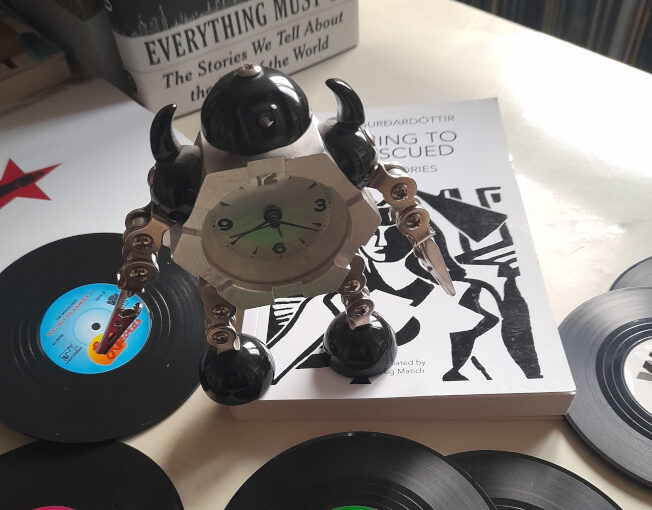
…it’s time for another annual roundup. Participating in end of year ‘best of’ lists is fun, but as my previous few ‘albums of the year’ features for this site (each probably more perfunctory than the last) and this essay on my substack illustrate, over time I’ve found the idea of the best [thing] of the year less and less relevant, not because the things aren’t good but because it doesn’t really matter that they came out this year. There’s a reasonable chance that I haven’t even heard my favourite album of last year, or of 2015 or of 1981 yet. My most listened-to artist of 2025 was probably Kevin Ayers, dead for over a decade now, and my most watched films and TV shows and most read books even more zeitgeist-resistant.
But here are a few things and thoughts anyway. My favourite new albums of the year included several I reviewed for Spectrum Culture, including:
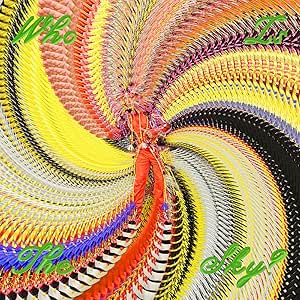
David Byrne’s Who is the Sky? More modest, more personal and more enjoyable to me than American Utopia, though I understand that it seems less ambitious and therefore less impressive in a way.
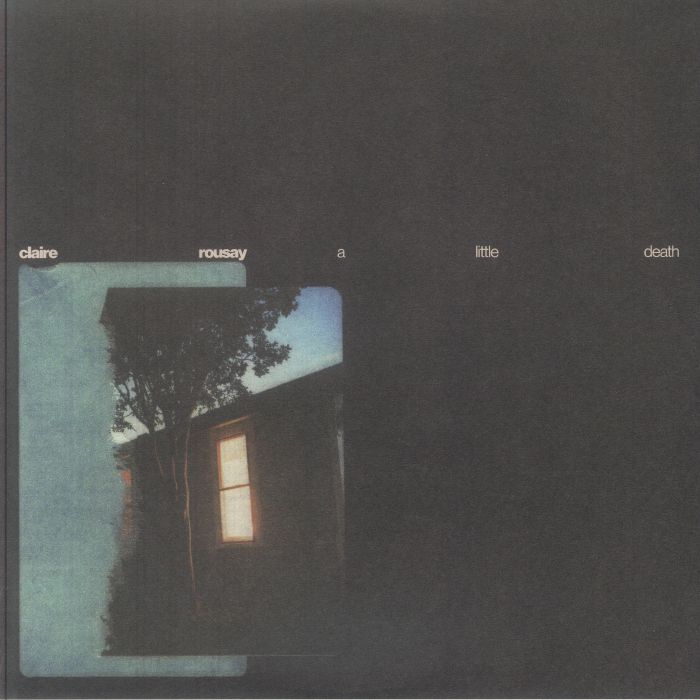
Claire Rousay – a little death – sometimes blurring the boundaries between music and just sound, I thought this was really arresting and intimate and moving but hard (as you see) to write about well.
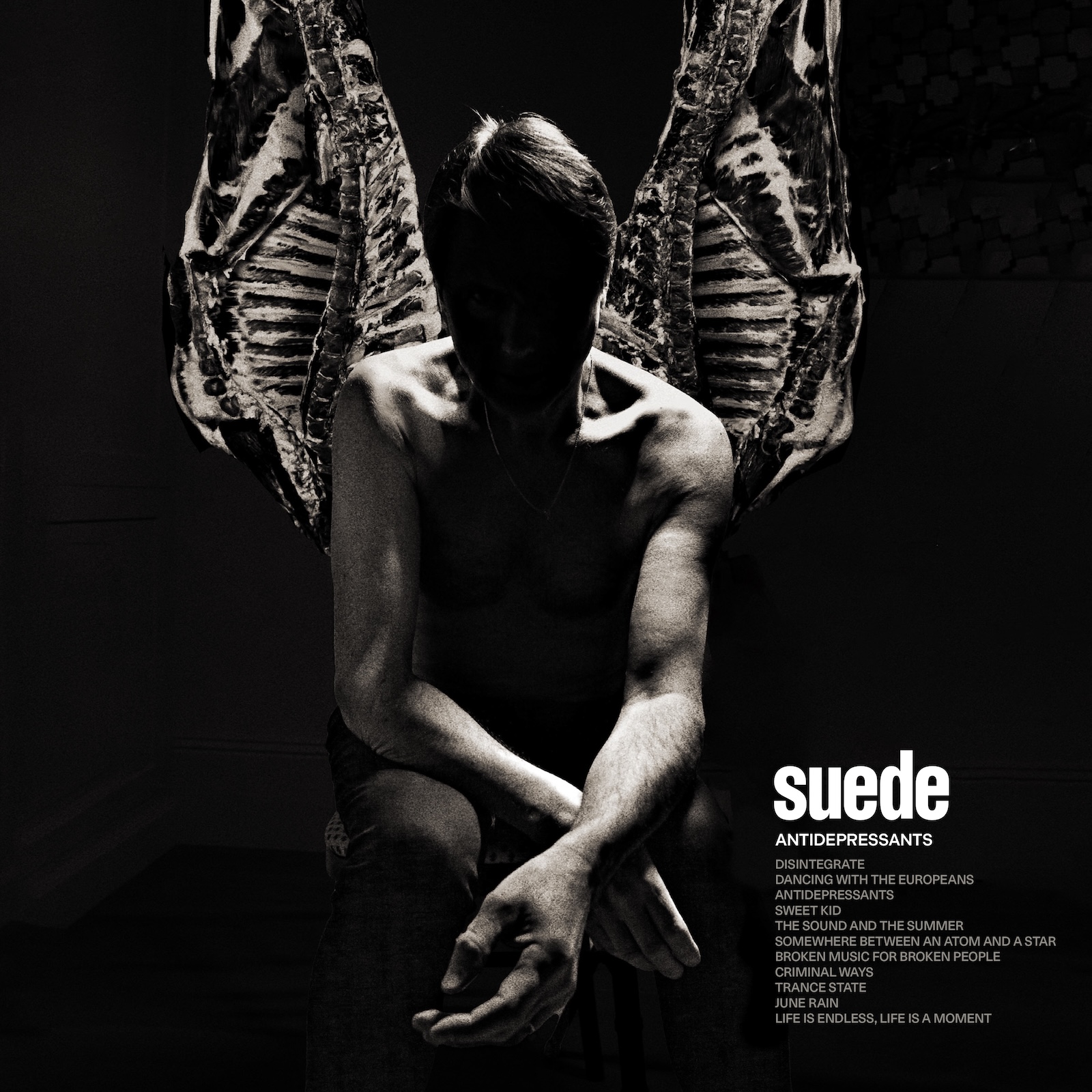
Suede – Antidepressants – Suede in 2025 are not central to my musical life like they were in 1993 and therefore Antidepressants did not have the impact that Suede did (or at least that I expected it to; in fact I only loved about half of it), but it’s is probably a better, deeper and more rounded – and certainly a more consistent album than Suede was, even if the high points are less iconic
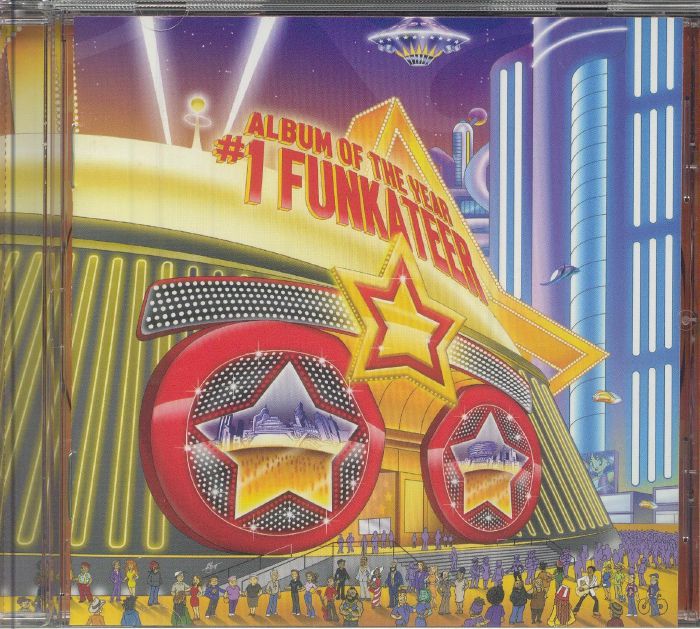
Bootsy Collins – Album of the Year #1 Funkateer – this was sprawlingly creative, fun and of course funky. The P-funk style that made Booty’s name seems fundamentally 70s but here he slips it over the top of the idioms of the 2020s and it fits like a glove with no hint of ‘retro’
I didn’t write about these next ones for Spectrum Culture, but they are up there with my favourites of the year too:
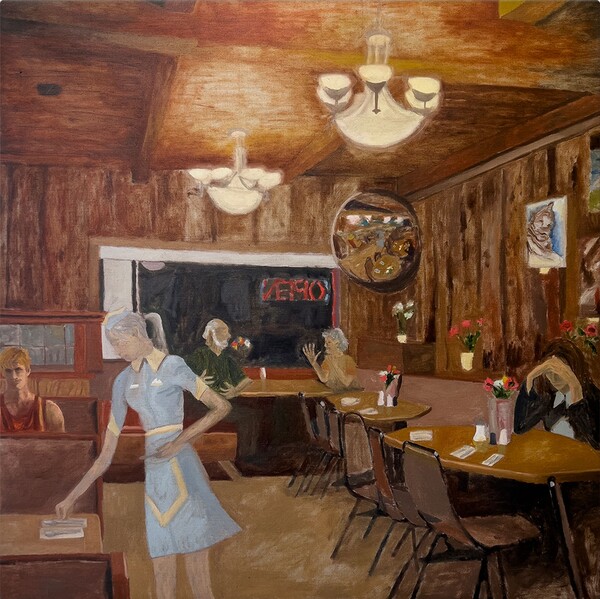 Ghost World – Armadillo Café – So far Ghost World haven’t (for me) surpassed the music of their first two albums, Ghost World and Spin, but repeatedly putting on Armadillo Café while consciously ignoring the fact that it’s a concept album about a café, it turns out to be another collection of idiosyncratic and loveable indie pop songs. The concept is fun but detracts from rather than strengthens the quality of the individual songs.
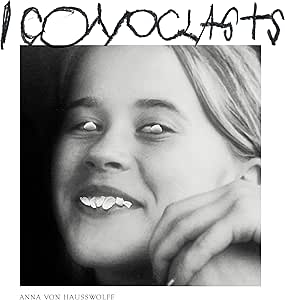 Anna Von Hausswolff – Iconoclasts. I wouldn’t say Anna Von Hausswolff goes from strength to strength; she’s always been great – but her work remains consistently interesting, challenging and gripping and Iconoclasts pretty much picks up where 2018’s Dead Magic left off, but absorbing rather than sidestepping the sombre majesty of her 2020 instrumental album All Thoughts Fly. Basically, she makes the kind of music you’d hope someone with the name Von Hausswolff would make.
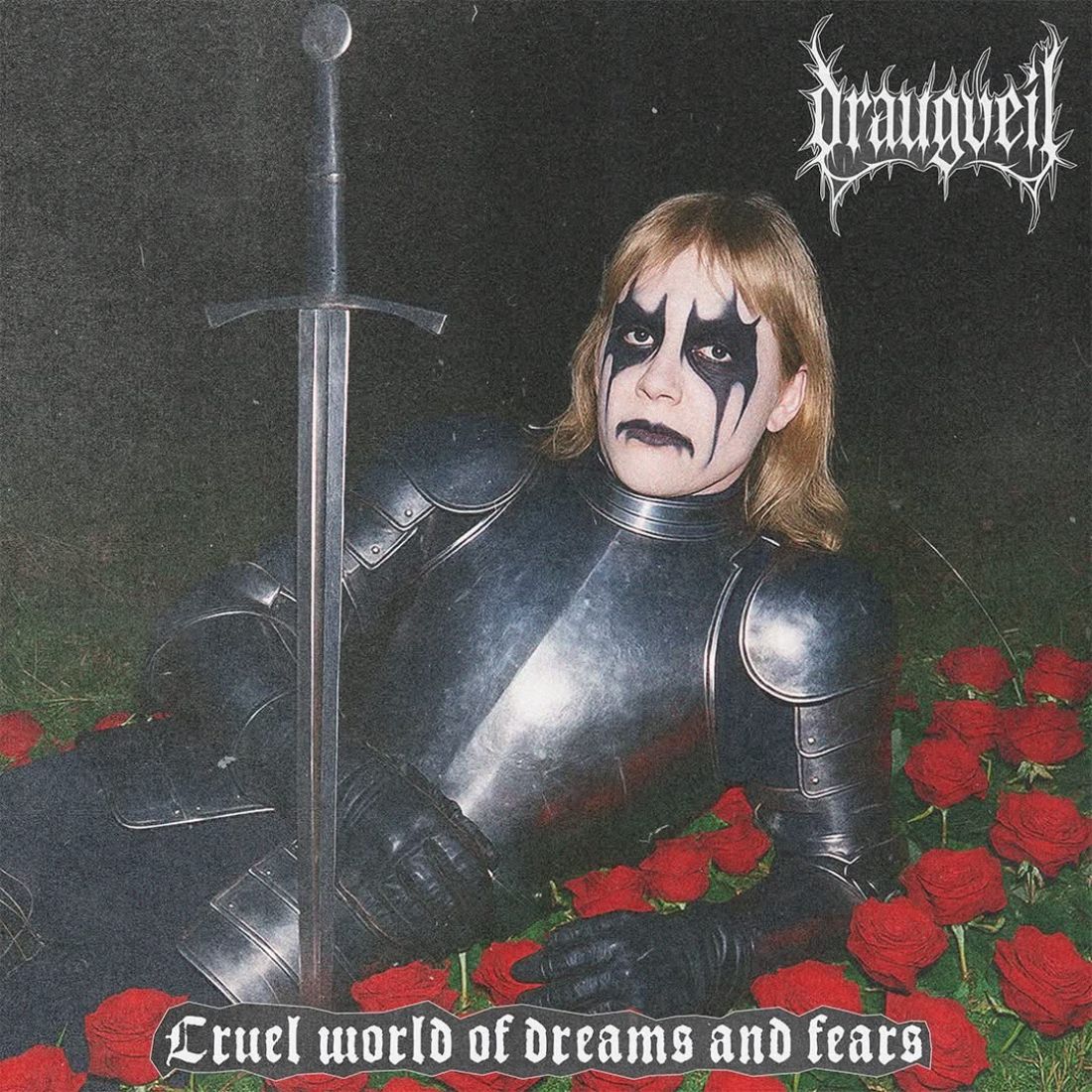
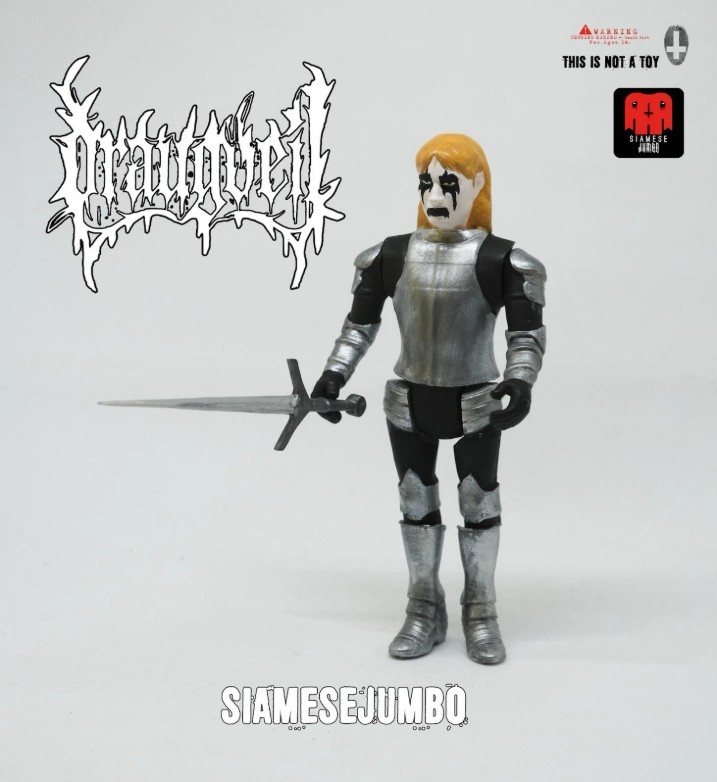
Draugveil – Cruel World of Dreams & Fears – I haven’t had to listen to a lot of black metal for work this year, which ended up rekindling my love for the genre and especially its typical, rather than outstanding or experimental adherents. The promotional material for the latest release by Ukrainian one-man project Draugveil release promised “A new era of romanticism, love and death…” and the album artwork shows him resplendent/despondent in corpsepaint and armour – the exact kind of objectively absurd thing that invites mockery from both inside and outside of the metal world; and I love it. Keats wrote that he was “half in love with easeful death…” but the romanticism of death that was such a notable part of the culture of the 16th, 17th and19th centuries lost its traditional allure post-World War One and at some point in the intervening years has become seen as kind of an adolescent trope, but why not? The songs on Cruel World of Dreams & Fears have titles like “Beneath the Armor I Rot”, “Wolves Feast on Forgotten Dreams” and “My Sword Points to the Past”* – and the tunes are likewise a mixture of yearningly romantic and crushingly doomladen and anguished. I have the feeling that, like the Smiths, but to the power of ten, this is the kind of thing that people either just respond to or really don’t. “Beneath the Armor I Rot” is the “Girlfriend in a Coma” of black metal; possibly immature, patently ridiculous, but irresistible, if it happens to be your cup of tea.
Interesting side note: some genius has perfectly gauged the kind of fanbase Draugveil is likely to appeal to and produced an action figure. Too pricey for me but entirely desirable.
* these titles make me think of an old Fry & Laurie sketch where a teenager writes a poem called “Inked Ravens of Despair Claw Holes in the Arse of the World’s Mind” – which kind of proves my point about the adolescent-ness of thanatophilia(?maybe the right word?) but I’ve remembered that title since I was at high school, which probably means something too.
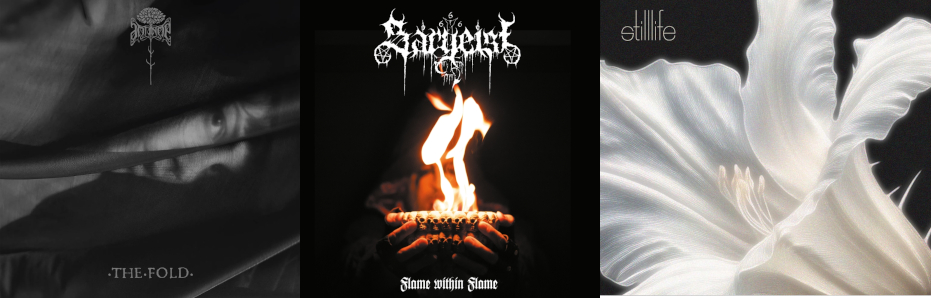
Honourable mentions that I like almost as much as the above but have run out of the will to write about include Kariti’s lovely album Still Life, the beautiful and deeply enigmatic album The Fold by Antinoë, which I’d recommend to anyone who likes the Anna von Hausswolff record and Sargeist’s Flame Within Flame, which is black metal with much of the absurdity drained out and replaced with venomous energy.
One of the discoveries of the year for me was podcasts – obviously I knew they existed, but I’d rarely been tempted to check them out. It turns out that mostly they aren’t for me, but there are a few I really like and one I love. That one is Origin Story, which I came to because I loved Ian Dunt’s brilliant 2021 book How to be a Liberal. The point of Origin Story, a podcast by Dunt & Dorian Lynskey (more below) is to “explore the hidden histories of the concepts you thought you knew.” It’s general focus is socio-political I suppose, but it takes in subjects as varied as zombies, comics, George Orwell, economics, history, etc etc (the latest season was a history of socialism) which you might think could be quite dry, but in fact is exciting, funny and entertaining; love it. Other favourites are Katie Hessel’s The Great Women Artists, Mark Kermode’s Kermode on Film and the Time Team podcast
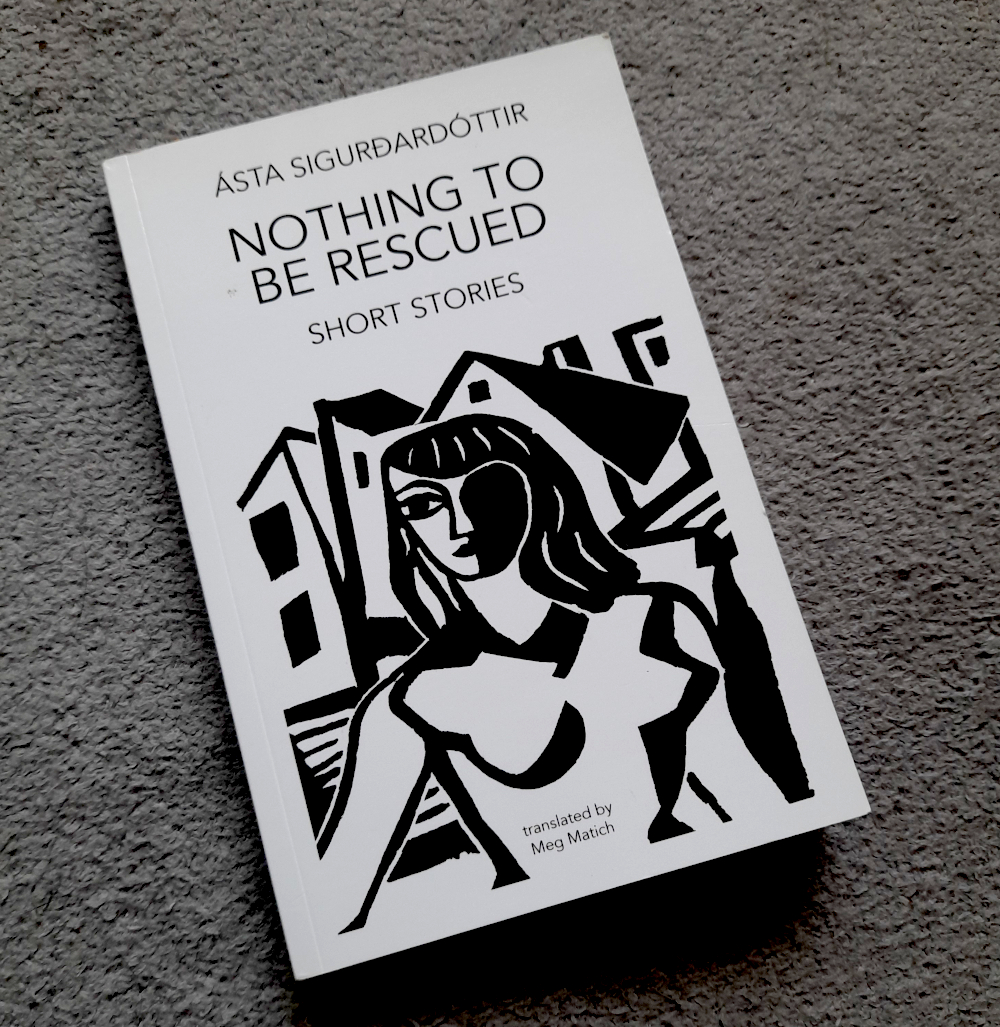 With books – unless, presumably, one is a publisher or a more than occasional book reviewer, the ‘of the year’ part is even less relevant. As it happens, I did read one book published this year that I thought was outstanding – Dorian Lynskey’s Everything Must Go – The Stories We Tell About the End of the World which I reviewed here and chose here, but I read many other books whose publication dates I’d have to look up. Most recently, I loved Nothing to be Rescued, a collection of sad and bitter short stories by Ásta Sigurðardóttir, a 2025 discovery for me, but Ásta died in 1971 and most of the stories pre-date her death by a decade. Even this collection, translated into suitably stark but beautifully readable English by Meg Matich, and which features Ásta’s own illustrations, is a couple of years old already. But just as the music that sounds best this year will sound the same next year, these stories, which have already outlived their author by more than half a century will continue to feel just as vivid and alive…
Onwards! because where else is there to go?
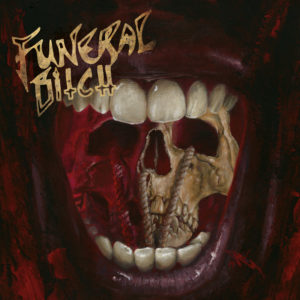 A foolish name, you might think; and yet there have been no less than three different bands called Funeral Bitch. This is the first and best of the three, the one formed by Paul Speckmann in 1986-8 between different incarnations of the much better known Master. Funeral Bitch were much in the same vein; extremely fast and rough (though still anthemic) death/thrash, with Speckmann’s hoarse bellowing a bit too prominent in the thin mix. That said, the demos are imbued with a real raw vitality that could arguably have been lost with the kind of production favoured by the big-name thrash bands of the era. It’s a real time capsule of the more extreme end of the 80s thrash scene and there’s a fair amount of intentional silliness too; a key but often forgotten feature of era. Interestingly, the guitarist is Alex Olvera, better known for his tenure as bassist with mid-level speed metal band Znöwhite around the same time. Only essential for Master fans, but generally fun, even if the live tracks are (appropriately) ‘rough as guts’ as they say down under.
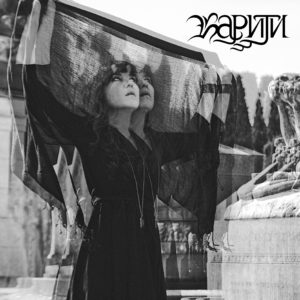 Kariti is a Russian-Italian singer of dark folk music and, after an extremely peculiar and archaic-sounding voices-only intro, Covered Mirrors becomes an album of moody semi-acoustic songs which are not especially folk-sounding, but are very pretty indeed. The guitar sound is crisp and almost tangible, and the vocals (mainly in English) are clear and mournful, as befits the album’s themes of ‘death and parting’. It’s a beautifully grave and austere record, with an intimate quality that (especially through headphones) brings the listener extremely close to the performance, while remaining emotionally remote and unreachable: a perfect album for a time of quarantine, if not one that will cheer anyone up.
 Alternately really great and very silly indeed, the sci-fi theme/concept behind Space Goretex sometimes gets in the way of the music. At its best the marriage of the unusual (but mostly surprisingly low key) musical textures of
 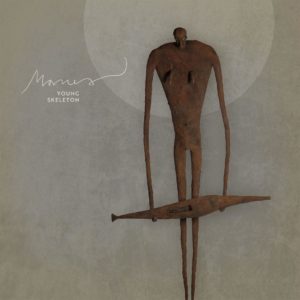 Always a surprise to find that non-mainstream musicians still release singles, but that’s what Manes are doing; and, like their last album, the superb Slow Motion Death Sequence it’s black metal in feeling only; musically the title track is a kind of eccentric and brooding widescreen gothic rock (I guess; it reminded me a bit of the Planet Caravan type early Black Sabbath ballads and musically but definitely not vocally a little bit of Fields of the Nephilim; there’s no electronic element on this one). It’s beautifully recorded, the title track warm and limpid but with an undertone of unease that builds throughout. The B side (is that still what it is for a digital release?) is Mouth of the Volcano, an atmospheric doomy semi-electronic chug built around a strangely familiar spoken word section that can’t place and featuring Asgeir Hatlan (last heard in Manes on 2014’s Be All, End All) and some spooky Diamanda Galas-ish vocals from Anna Murphy (ex-Eluveitie) and Ana Carolina Skaret. An unsettling but very listenable pair of songs and so a single worth releasing; and with beautiful artwork too.
 More solemn, downbeat but mostly very pretty music. I had never heard Midwife (the solo project of Madeline Johnston) before; on this album at least, it’s a bare, guitar-based sound with some ambient electronic elements, sort of shoegaze-y but not. The nearest comparison I can think of (not that anyone asked for one) is Codeine circa Frigid Stars. Forever was inspired by the unexpected loss of a friend and the music is as fragile and mournful as you’d expect. The sound is warm, clear and intimate-sounding – aside from the vocals, which are distanced by a strange spacey, reverb effect; perhaps for the best as the raw emotion is rendered slightly remote and universal, rather than immediate and personal. It’s clearly not an album for all moods: although the closing track S.W.I.M. speeds up to a Jesus and Mary Chain-esque plod, Forever is consistently slow and elegiac and nothing really lifts it out of its furrow of sadness: but beautiful for all that.
 More black metal, this time from Iceland. Pretty standard (in a good way), polished but not symphonic black metal, modern but very much influenced by the classic Scandinavian bands (maybe more the second-and-a-half wave, like Kampfar than the classic Mayhem-Darkthrone-Burzum axis) it’s all very well put together and has plenty of muscle and melody. Two things save it from just being yet more (and there is a lot of it) proficient ‘grim & frostbitten’ black metal – firstly, some strange and very Icelandic anthemic moments; I say very Icelandic only because those moments remind me a bit of some of the epic, windswept bits in Solstafir’s music. Although recommended by the label for fans of fellow Icelanders Misþyrming, Nyrst, though inhabiting more or less the same kind of sub-genre, definitely have their own sound and style. (I highly recommend Misþyrming’s
  And another one-woman folk project. Ols (Polish singer and multi-instrumentalist Anna Maria Oskierko) is very different from Kariti though, and Widma is a primitive, ritualistic sounding album with none of Covered Mirrors‘s accessible, almost pop sheen. Widma does sound traditional, but it’s more akin to Wardruna and the archaeological end of pagan folk music than the glossy Clannad-ish kind recently heard on the latest Myrkur album. This is, by contrast, pleasantly droning and primal (and in that respect reminds me of an album I bought via MySpace many years ago by
  A contrast to everything else here, Norwegian collective Weserbergland’s second album consists of one 42 minute track, but it’s not the krautrock–influenced prog of their Can/Tangerine Dream-flavoured debut. Instead, it’s a chaotic but weirdly coherent kind of collage which consists of performances on conventional-ish instruments: guitar/strings/sax/turntables, cut up, messed about with and reassembled into a kind of melancholy, cinematic symphony. The strange, unpredictable stuttering percussion seems like it should disrupt the flow of the piece, but somehow the jerkiness becomes part of the mood and it all flows perfectly, if not in a straight line. It’s really not like anything else I’ve heard, but reminds me a little of Masahiko Satoh and the Soundbreakers’ 1971 classic avant-garde jazz-prog-whatever album Amalgamation in its sheer ear-defeating unclassifiable-ness. I’m sure it won’t go down in history as such, but this may be a definitively 2020 release.