It’s that time of year again; I’ve had to make some end-of-year lists for various places, so this will be a short-ish version. 2018, like most years, has been a year full of terrible and excellent music and mostly there’s no difference between the two except for the ears hearing it.
But anyway, because I’ve decided to limit my own list here to things I haven’t seen represented on as many other peoples’ lists as I feel I should have so far. Here are a few…
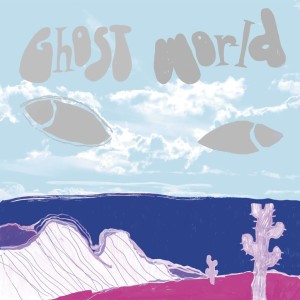
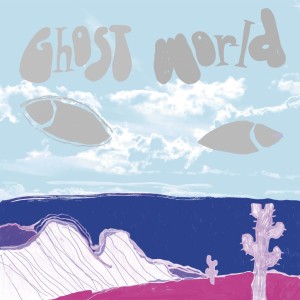
Ghost World – Spin (Svart Records)
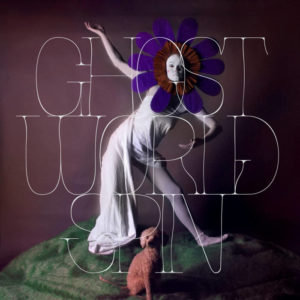
If you’re a regular reader you may remember that Ghost World’s self-titled album was one of my albums of the year last year. That album was a completely unexpected neo-grunge masterpiece – all the more unexpected as I don’t look back especially fondly on grunge in general; but the combination of great tunes, punky energy and the heartbreaking teenage melancholy of singer/guitarist Liisa’s performances make the comparison to 90s grunge kind of pointless; this wasn’t nostalgic pastiche, it was a vital, new band playing their hearts out. Spin, is a great, but very different album. This time Liisa & co aren’t playing grungy music at all, although the album still stylistically indebted to earlier eras. In their publicity, Svart Records claim – not wrongly – that Spin looks back to the guitar pop of The Byrds and Big Star, but to my ears, it has more of the feel of the 80s/90s UK indie bands who were themselves indebted to those bands; either way, it’s an album full of the same kind of catchy, melancholy pop songs as the debut, only without the frazzled guitars. At its best – like the beautifully miserable earworm ‘Nightgown‘ (which brings back my teenage years vividly, if that’s a good thing) its every part the equal of its predecessor, even if it’s less of a bolt from the blue.
Just Like This – Faceless (Rorex Records)

I don’t remember how I first came across Rorex Records, a Japanese label run by Eifonen, an experimental musician who has a hand in many or most of the label’s extremely eclectic releases. When going through the label’s releases it feels like overall there’s a focus on experimental electronica and drone, but then something completely random and different – bizarre lo-fi rap, noise rock or mutated jazz. Just Like This is different again; minimalist, clean piano and vocals exercises – sometimes beautifully melodic, sometimes awkward, but always clean, clear and beautiful, even at its most alien. Can’t vouch for the lyrics (they are in Japanese) but I think it’s lovely.
Tunjum – Deidades Del Inframundo (Dunkelheit Produktionen)
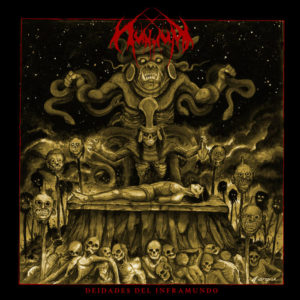
Back in August when it was released, I didn’t really expect this dusty, gloomy, antediluvian Peruvian death metal album to be in this kind of list, but it stayed with me.
It’s the whole package; there’s something about the crude, hewn-from-rock quality of the monolithic riffs, the majestically rust-encrusted bass tone and frontwoman/drummer Kultarr’s brutal roar, plus the perfectly apt artwork that makes it satisfying long after many ‘better’ albums have worn out their welcome.
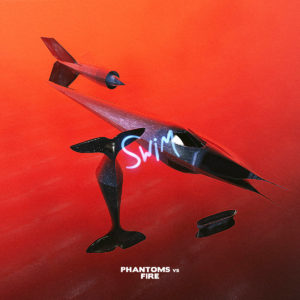
Phantoms v Fire – Swim (Hypersoma Records)
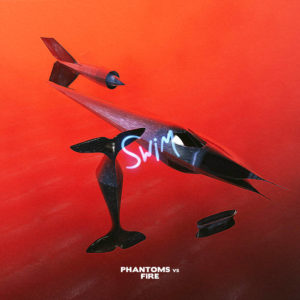
I wrote about this at length here, so will try not to repeat myself. I first heard Swim back in January and am still listening to it in December. Slightly woozy electronica, often with a lo-fi Ryuichi Sakamoto-meets-Vangelis feel, it’s ‘retro’ without being nostalgic, full of wistful, poignant atmospheres and familiar-but-elusive tunes that feel half-remember from childhood. I really love it; in fact if I had to choose (but I don’t) this might be my favourite album of the year.
There’s an extended version of Swim which I was initially slightly dismissive of (hate it when people mess with albums I think are perfect already), but actually it’s the version I listen to now.
Slidhr – The Futile Fires Of Man (Ván Records)
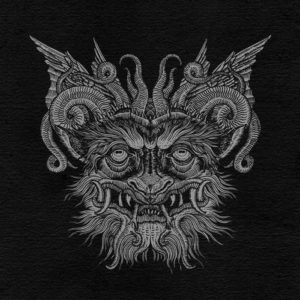
There was lots of good, but not lots of great black metal around in 2018, but the spirit-sapping second album by Ireland/Iceland’s Slidhr was one of the great ones.
Best heard as a whole, the album is a relentless blast through furious, cavernous darkness, melodic enough to to be memorable and affecting, but with a distinctive, bitter taste that doesn’t exactly leave one wanting more; an odd recommendation but there it is.
and now for 2019…
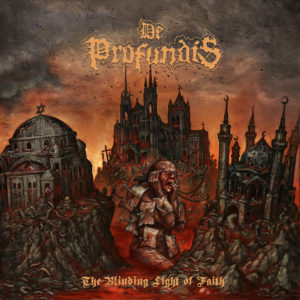 I am (as I think most people probably are!) quite fussy about death metal, but without being retro in any kind of self-conscious way, De Profundis make music that would sit happily in the late 80s/early 90s death metal scene. The Blinding Light of Faith is an album that can hold its own in the company of any of the big names of death metal; superb, intelligent musicianship and songwriting – it’s a seriously impressive album.
 80s veteran(s) Lizzy Borden (both a singer and a band) seem always to suffer from being mis-pigeonholed, whether as a glam band (he/they did have the image), Twisted Sister clones (ditto), or some kind of Alice Cooper-esque horror-metal act (partly the name, partly the image innit), but if you listen back to the best of the band’s 80s work, especially Love You To Pieces, they were really a classic metal band, more Iron Maiden-meets-W.A.S.P. than Motley Crue. On the new album Lizzy himself takes centre stage, singing better than he ever has – no mean feat – and playing all the guitars on what is a very song-based album. It’s not very heavy – more a kind of homage to bands like Cheap Trick and Queen than the early 80s Lizzy Borden sound. But it’s really good if you like that kind of thing, and it’s great to hear Lizzy really going for it after a couple of slightly patchy, compromised-sounding, ‘not bad’ records.
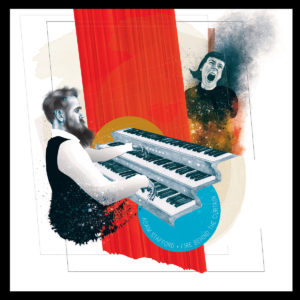 Away from metal, this is a really interesting, good album if you like – well, what? “Film soundtrack music” isn’t really a genre, is it, but that’s what Fire Behind The Curtain makes me think of. I’ve seen it described as neoclassical and minimalist too, but neither of those feels quite right to me. It’s a beautifully cohesive-yet-eclectic collection of mostly-instrumental pieces vary from haunting and bleakly forbidding atmospheres to warm and embracing melodies.
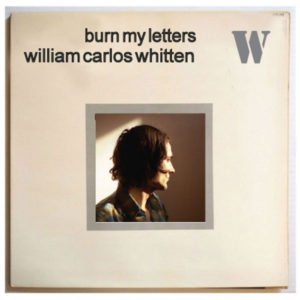 I can’t really write an awful lot about this album from the always-dependable I Heart Noise label, as I’ve only just started listening to it really; but so far I love it. It makes me think of Lou Reed, or Alan Vega covering John Lennon’s Plastic Ono Band album; sparse, forlorn, world-weary and a little bit sleazy.

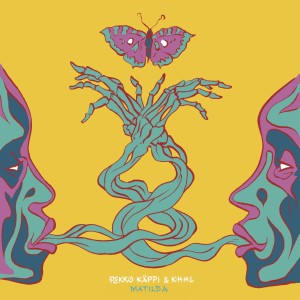

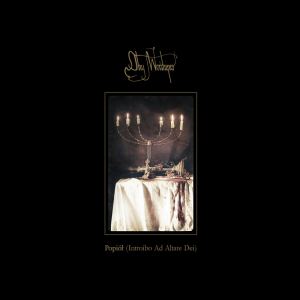
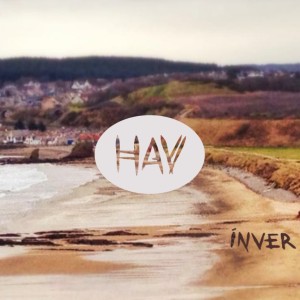 I am not at all averse to folk music of various types, but I have to admit that on the whole I avoid the folk music of my own country. Partly it’s because most of the Scottish folk music I have come in contact with is dance music. I’m with Mark E. Smith on that one; I don’t want to dance (he may of course have contradicted that somewhere in the hundreds of albums he’s made since 1979). There are lots of kinds of dance music I do like, but the memory of Scottish country dancing at high school; of accordions, fiddles, ceilidhs etc; it’s just not for me. However, on their debut album, Inver, HAV make music that seamlessly combines the instrumentation and feel (and some of the tunes) of Scottish folk music with delicately atmospheric ambient electronica and field recordings and it is quite simply beautiful. Alternately bracing and embracing, it really seems to capture the feeling of the landscapes I grew up in, while also making the past (traditional songs like Loch Tay Boat Song, Peggy Gordon etc) feel present and the present timeless; which is surely what folk music is all about.
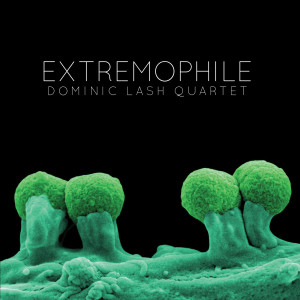 Despite the title, after the squeaks and pings intro of Puddle Ripple (the first of several strangely tense Lash compositions), Extremophile as a whole isn’t especially extreme (unless you hate jazz in general I guess). It is certainly an imaginative and wide-ranging album, featuring both a peculiar and beautifully atmospheric jazz exploration of the

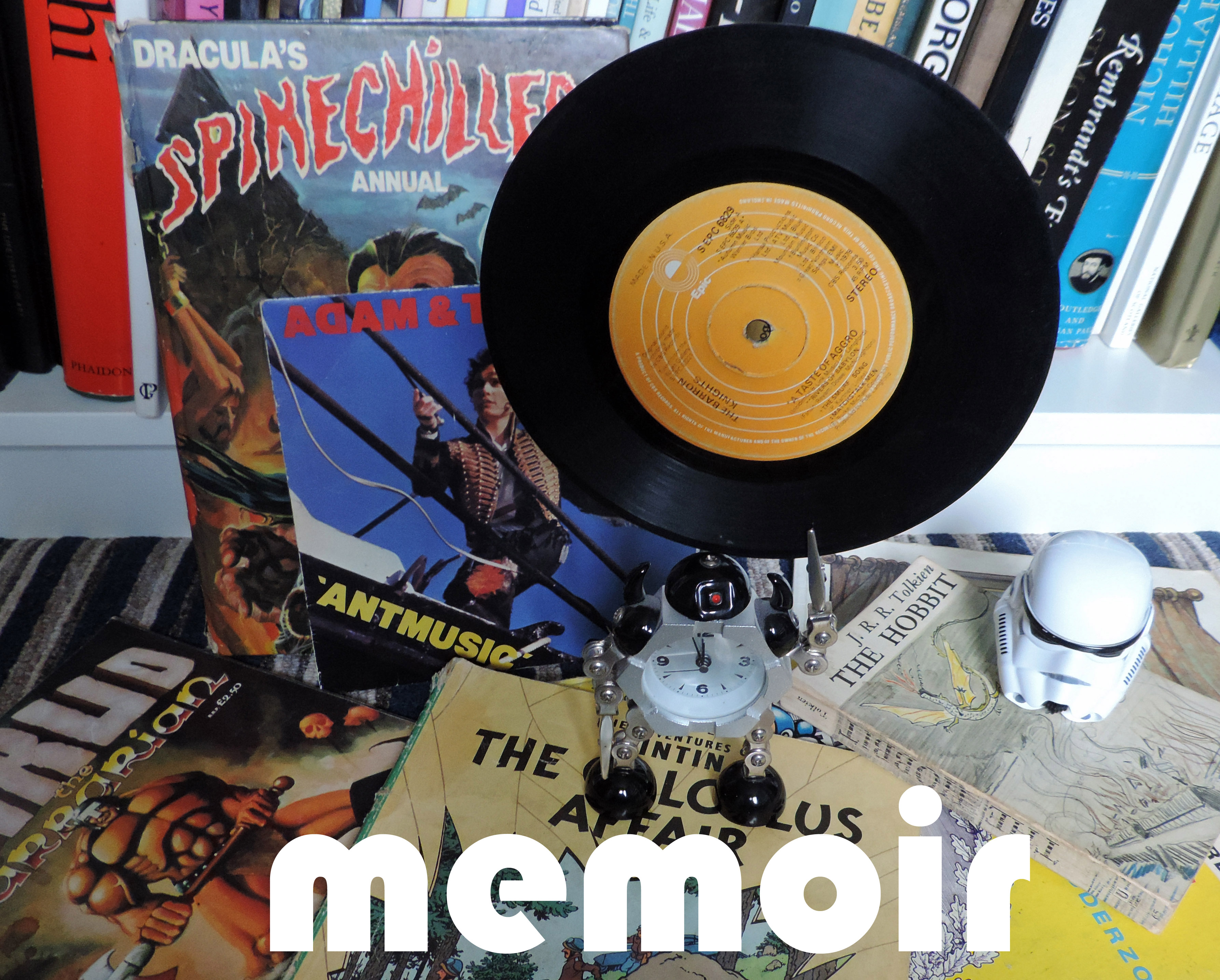
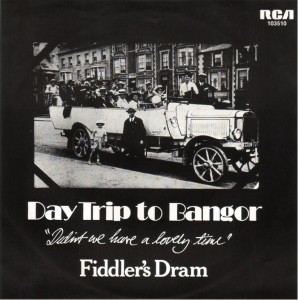 But what did I hear first? Who knows? I remember my mother playing guitar and singing, but ridiculously, the actual song that stands out as the first identifiable thing I remember, can name and even know some of the words to is neither parent music, nor standard chart fare; it’s Day Trip To Bangor by Fiddler’s Dram, which sets the date I began to really absorb music at around 1979; which makes sense, as until around that point I had hearing problems. As earliest memories go it could be more significant – I didn’t like it (or dislike it, as far as I remember), I can’t picture the band, it isn’t the soundtrack to a specific event. I just remember it, like I remember Crown Court and Pebble Mill At One being on TV in the afternoon if I was ill at home instead of being at school. It’s also to the end of the 70s that the first 7” single actually owned by me belongs and it’s also a typical-of-its-era novelty record, by the already long-in-the-tooth comedy group The Barron Knights – ‘A Taste of Aggro’. It’s the kind of random thing that little kids like; it features parodies of ‘The Smurf Song’ and Boney M’s ‘Rivers of Babylon’ (‘there’s a dentist in Birmingham…’ ). In my first year or two at primary school I also remember liking at least one Adam and the Ants song, I liked Toyah and Hazel O’Connor when they were on TV, I liked the disco version of the Star Wars theme and ‘Cars’ by Gary Numan. Other music-related memories of the time are pretty vague; I remember older kids who were punks and (more scary to small-child me) skinheads, but I don’t think I ever heard their music at the time.