When I wrote the first version of this a couple of years ago, I started by saying – though without a huge amount of confidence – that even now (or then) most British kids knew the first line of the rhyme that begins, Remember, Remember, the 5th of November, even if they didn’t know the rest of it. I’m even less sure that’s true now. The segue between Halloween and Christmas is imperceptible now, mostly because there is no segue to perceive. This year, for the first time that I’ve noticed (I’m not saying it was the first time it’s happened), shops put out their aisles of Halloween and Christmas junk simultaneously at the beginning of October. And – and this has probably happened every year for a while – Christmas-themed adverts began screening on TV on the first of November.
Traditions always come and go and it’s interesting to see how quickly they can become established – I deliberately didn’t use the phrase “the Christmas adverts” above, but it is now a thing, an annual event almost that is discussed in newspapers (themselves a sort of tradition whose days are surely numbered?) and on TV as if they are news. It seems ironic though that the phrase “spooky season” has become established in popular usage in almost the same way as ‘the festive season,’ at a time when the UK’s spookiest celebration has died away and the ‘season’ the phrase refers to is essentially one evening.
Kids not knowing more than the first (or first two – “Remember, Remember, the 5th of November/Gunpowder, treason and plot”) lines of that old rhyme is nothing new: even when I was a child – at which point November the 5th was still a date that seemed on a par, magnitude-wise with Halloween (in fact in some ways Halloween felt like a warm-up for November 5th, which was more spectacular) I was extremely sketchy on where the verse goes after that and even now I’d have to look it up to find out.
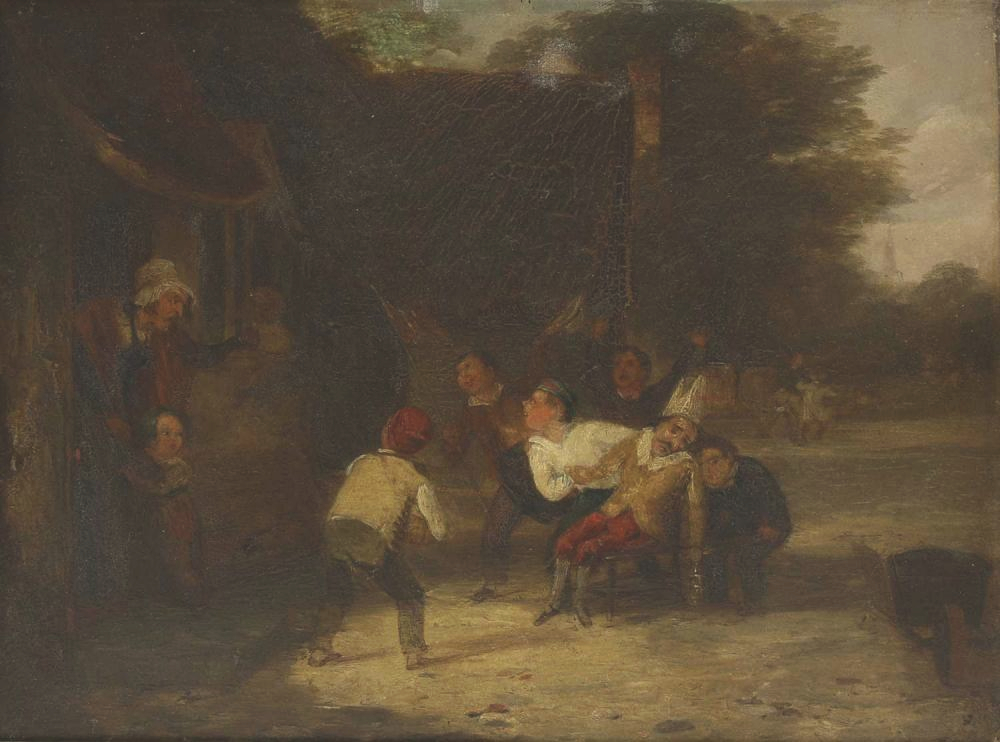
What I always liked about November the 5th as a child – not that I would have thought to put it this way – was its ambiguity. It was a celebration, clearly, but a celebration with something like Halloween’s horrific overtones. And Guy Fawkes was its star, but it would be wrong to call him its hero – you don’t burn heroes in effigy. But then calling him a villain doesn’t really work either. A villain that you’re introduced to, not by their evil deeds, like Dracula or Hitler, but by watching them, already defeated, being burned to death, can only be so scary. There was also a kind of veneration of the effigy – then just known as the Guy (which was vanishing even when I was quite young), where having a really good, lifelike Guy to burn made the night especially satisfying. So children kind of liked him. As a ritual, it was satisfying; Fawkes was not like Freddy Kruger or Jason Vorhees – once Guy was burned, he stayed burned, until next year. It’s obviously reactionary too – a ritual that celebrates the destruction of a rebel and the preservation of the status quo. But at the same time, the aim of the rebel was not some kind of egalitarian peasant’s revolt, but the replacement of a repressive Protestant monarchy with a repressive Catholic one; so it’s nicely complicated.
The burning is itself interesting – a kind of cleansing ritual that feels related to the 17th century in which Fawkes died – and most associated with the execution of witches. But although it’s period-appropriate, it’s notably not how the real Guy was killed. It was perhaps chosen for the slightly prosaic reason that it was related to another now-dead seasonal tradition; in the days before local councils in Britain sent squads armed with shovels and sacks around parks to tidy up and collect dead leaves, the leaves used to be swept into piles and burned. The smell of smouldering foliage was once as much a part of the autumn-to-winter transition as early sunsets and morning mists. In that sense, Guy Fawkes had almost become a surrogate elemental like the Easter Bunny; but a symbol not of Spring and rebirth/renewal but of the death of nature and the welcoming of winter as its dark days began to encroach. Being bound to the season and the ritual, annually entering the celebrations as a prisoner, defeated but not yet despatched, he could be seen as kind of a sad and sympathetic figure. But I’m getting ahead of myself.
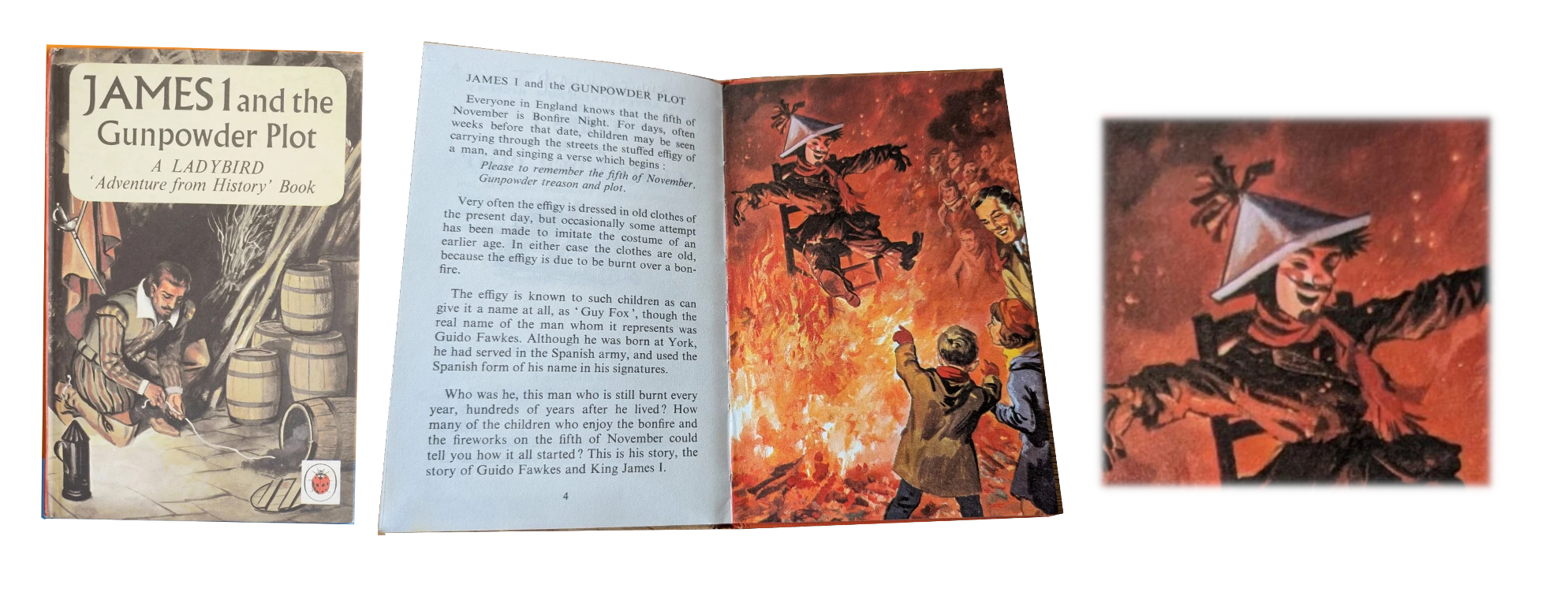
I thought I remembered the Ladybird book – a hugely popular series of small-format books for young children published from the 1940s to the 80s – devoted to the Gunpowder Plot, but now that I look it up I’m not so sure. The pictures look possibly familiar, but I don’t remember James I being referenced in the title and I don’t remember ever seeing Fawkes referred to as ‘Guy Fox’ as per the text. But the fact that I do remember having a Gunpowder Plot book and this not being it only testifies to the popularity of the story.
That’s the time – early 80s presumably – that my most vivid Guy Fawkes memories come from. Mostly they are cornily nostalgic memories; wrapping potatoes in foil and putting them in the edge of the bonfire – when they came out, they usually still had a raw-ish look, but occasionally were completely charred; both ways you could somehow taste the foil and yet they were delicious – or toasting marshmallows. There was that strange (sometimes slightly nauseating) sensation where the front of your face and body were almost too hot from the glare of the fire while your back was freezing from the November night air. Kids messed around (more or less carefully, or at least I don’t remember any burns or accidents) with sparklers, making shapes or trying to write things in the air.
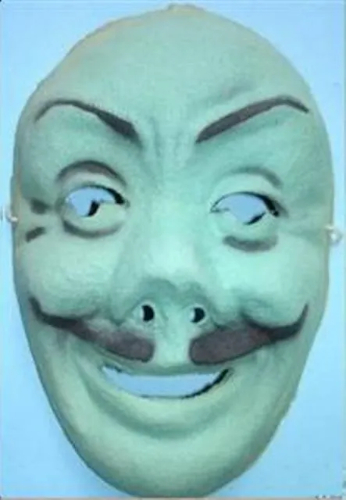
Firstly, fireworks. For decades, November 5th was the occasion for fireworks in the UK and even though latterly New Year has taken that place, there seems to be some kind of residual racial memory in the country’s youth (not just its youth; the advertising of fireworks, albeit in a severely compromised way, still begins in October) and fireworks are randomly set off for the few days either side of November 5th – I saw/heard some last night. Somewhere, perhaps in the more aggressively conservative parts of the UK, there must still be council-run fireworks displays on the 5th too, but there definitely aren’t around here.
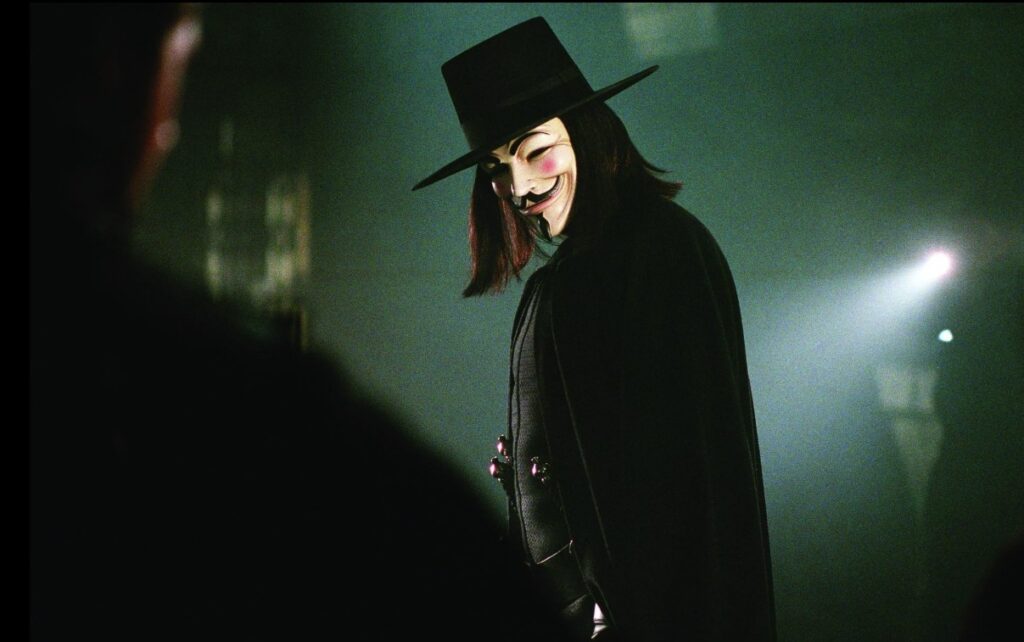
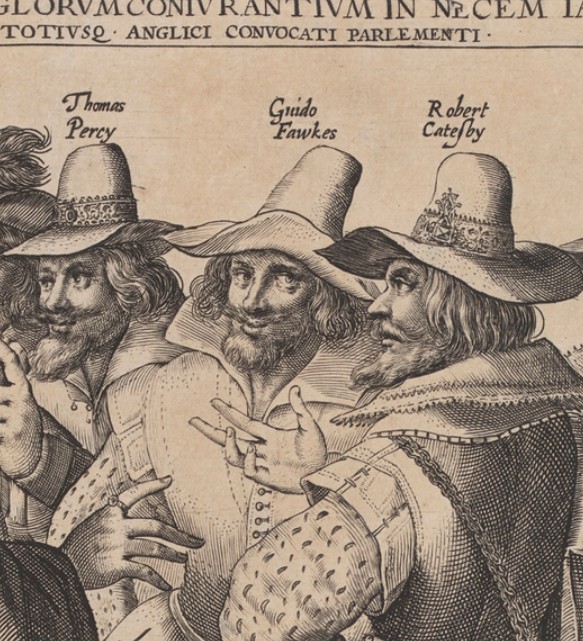
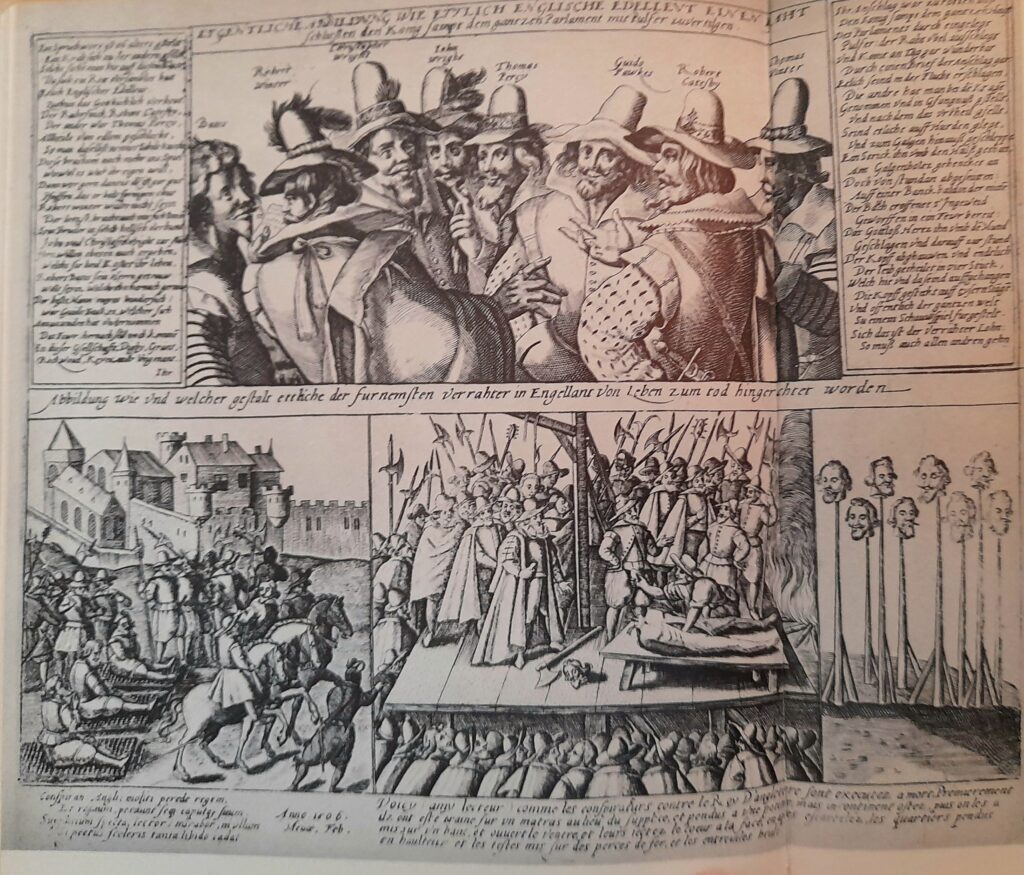
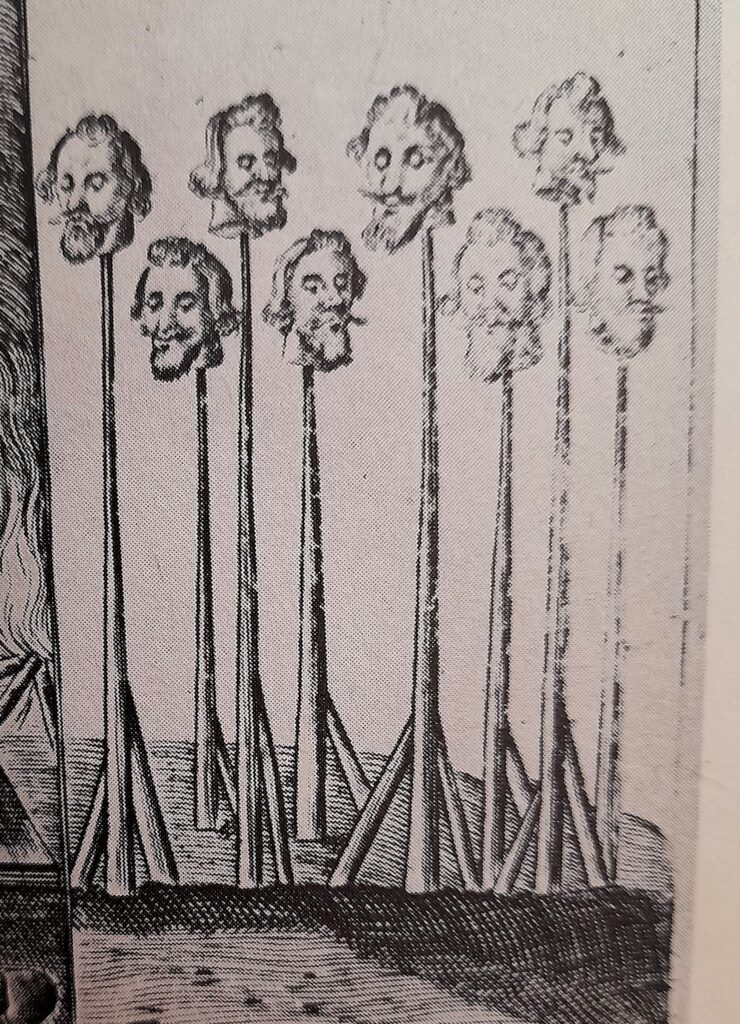
I assume that the instantly recognisable smiling, moustached face immortalised in V ultimately derives from the famous print (c.1606) by the Dutch engraver Crispijn van de Passe, which shows eight of the thirteen conspirators involved in the Gunpowder Plot. It’s the only contemporary depiction of Fawkes, but it wouldn’t have been especially accurate; drawn for an audience in the Netherlands, it shows all of the conspirators with roughly the same face and the artist would never have seen the men himself. Thomas Bates, Robert Winter, Christopher Wright, John Wright, Thomas Percy, Guy Fawkes, the ringleader Robert Catesby and Thomas Winter all look like the archetypal Jacobean gentleman and, perhaps ironically, look very like the standard representation of that other 17th century folk anti-hero, the Witchfinder General Matthew Hopkins. They were wealthy gentlemen and probably looked much, in dress and general appearance, like the men who sat in judgement against them. Although the ‘Catesby Conspiracy’ is a familiar phrase from history books, only one of the men has a famous name – and only he was destined to be burned in effigy for three centuries. Why Guy? He wasn’t the most senior member of the conspiracy – but he was the one who was caught, with the gunpowder near the scene of the crime. And also he had the best and strangest name.
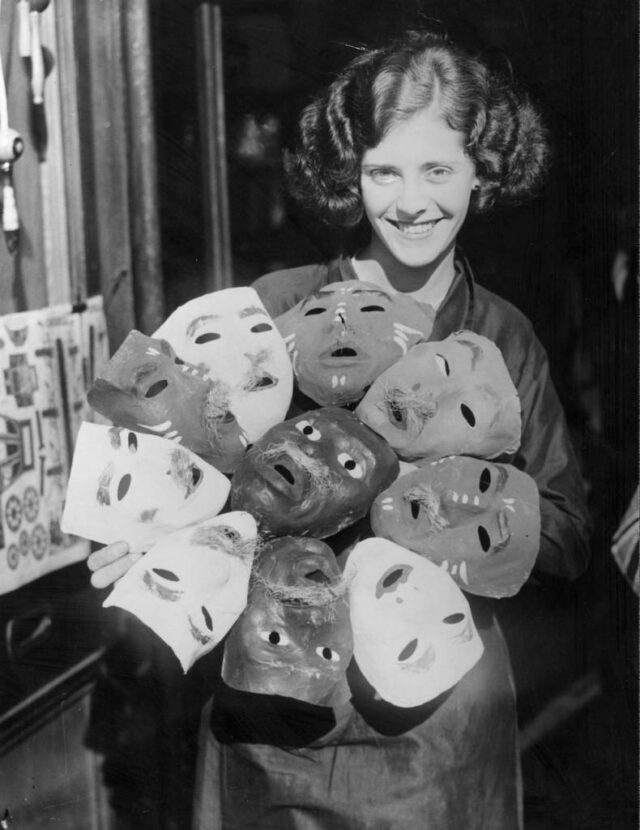
In V for Vendetta, the use of a Guy Fawkes mask for the story’s protagonist – a libertarian anarchist rebelling against a Totalitarian state – was a brainwave of artist David Lloyd which in retrospect seems so obvious that it’s surprising it wasn’t part of the original idea. But though Lloyd’s point of view (sorry, paraphrasing, I don’t have the book in front of me) was that Fawkes should be celebrated, not reviled for trying to blow up Parliament, that only goes so far. Guy Fawkes is fascinating because he’s one of the very few genuine anti-heroes in British history. The goal of Fawkes and his co-conspirators wasn’t the establishment of some kind of egalitarian co-operative, but the restoration of an absolutist Catholic monarchy; a Theocracy in which the King inherits some of the powers of God (specifically, the power to absolve sins – I was an adult before I discovered that ‘absolutist’ didn’t refer to the monarch’s political power).
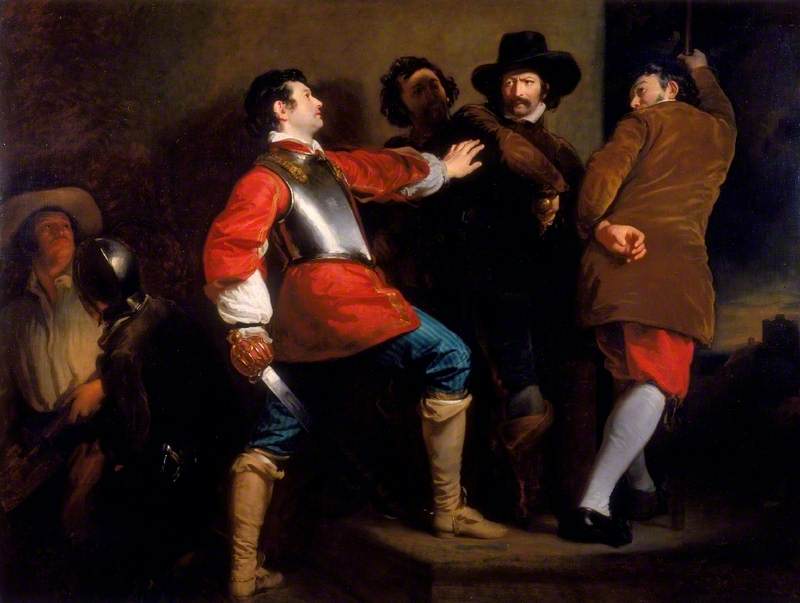
We can never know; so probably it is still worth remembering the 5th of November, in all its grotesqueness and ambiguity, neither as something to really celebrate or to mourn, but as one of those weird crossroads in history. And worth remembering poor old villainously-heroic Guy Fawkes, who probably foresaw some kind of strange new world, but not the one he would star so prominently in.